
Top Myths About Lawn Care Debunked by Dayton’s Best Landscaping Experts


Introduction to Lawn Care Myths
Lawn care is a subject filled with misconceptions and myths. Many homeowners find themselves confused by conflicting advice, leading to practices that may not benefit their lawns. Dayton’s best landscaping experts are here to debunk some of these common myths and set the record straight.
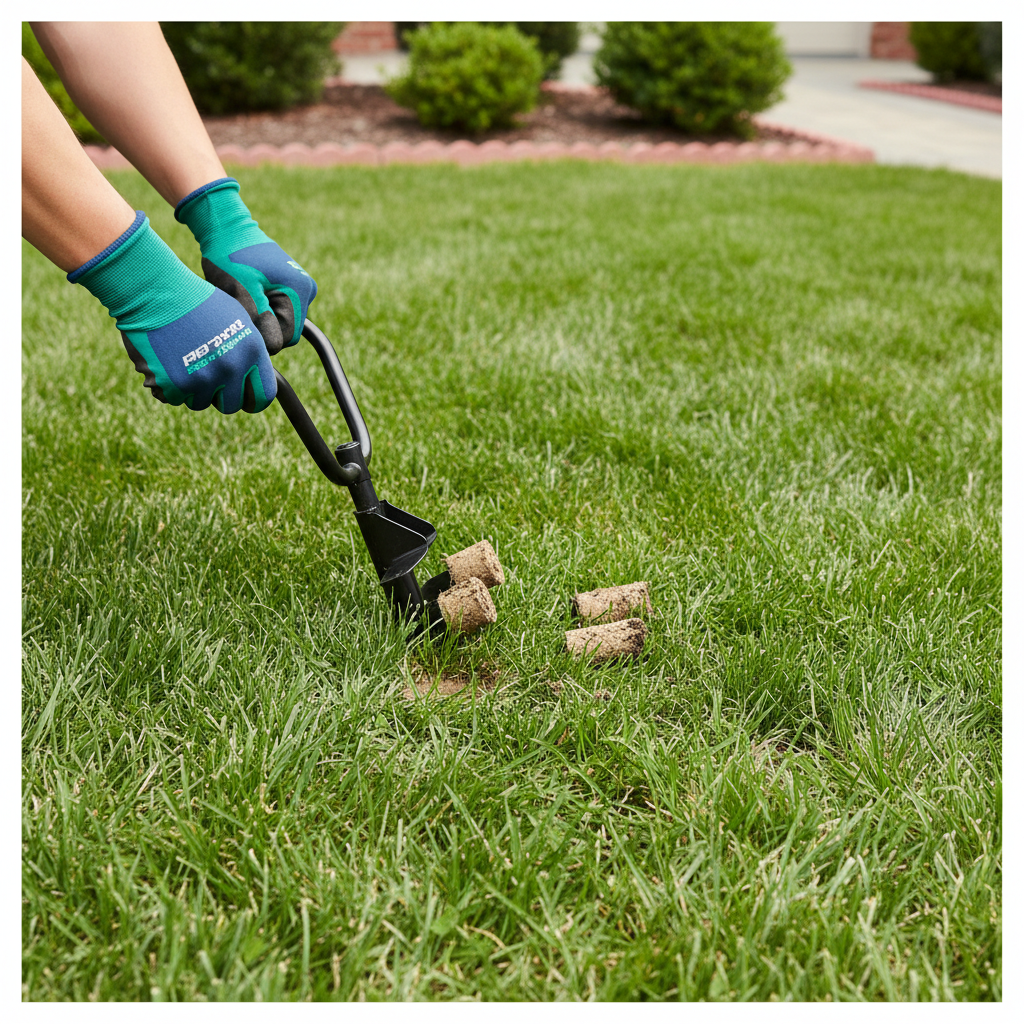
Myth 1: Watering Daily is Essential
One of the most widespread myths is that lawns need daily watering. In reality, this can lead to shallow root growth and disease. Experts recommend watering deeply and infrequently, which encourages strong root systems. A good rule of thumb is to provide about 1 inch of water per week, including rainfall.
How to Water Properly
Water in the early morning to minimize evaporation and allow the grass to dry before evening. This practice reduces the risk of fungal diseases. Use a rain gauge or a simple can to measure precipitation and adjust your watering schedule accordingly.
Myth 2: Cutting Grass Short Reduces Mowing Frequency
Some believe that mowing grass very short will reduce the need to mow frequently. However, cutting grass too short can stress it and make it more susceptible to weeds and pests. It's best to follow the "one-third rule": never cut more than one-third of the grass height at a time.

Benefits of Proper Mowing
Proper mowing encourages healthy growth, improves drought resistance, and enhances the overall appearance of your lawn. Adjust your mower to the correct height based on the type of grass you have.
Myth 3: Fertilizing More is Better
While fertilization is important, over-fertilizing can harm your lawn. Excessive fertilizer can burn grass and contribute to thatch buildup. The key is to fertilize appropriately based on the season and your lawn's specific needs.
Smart Fertilization Tips
Conduct a soil test to determine nutrient deficiencies and follow the recommended fertilization schedule. Opt for slow-release fertilizers to promote steady growth and avoid nutrient runoff.
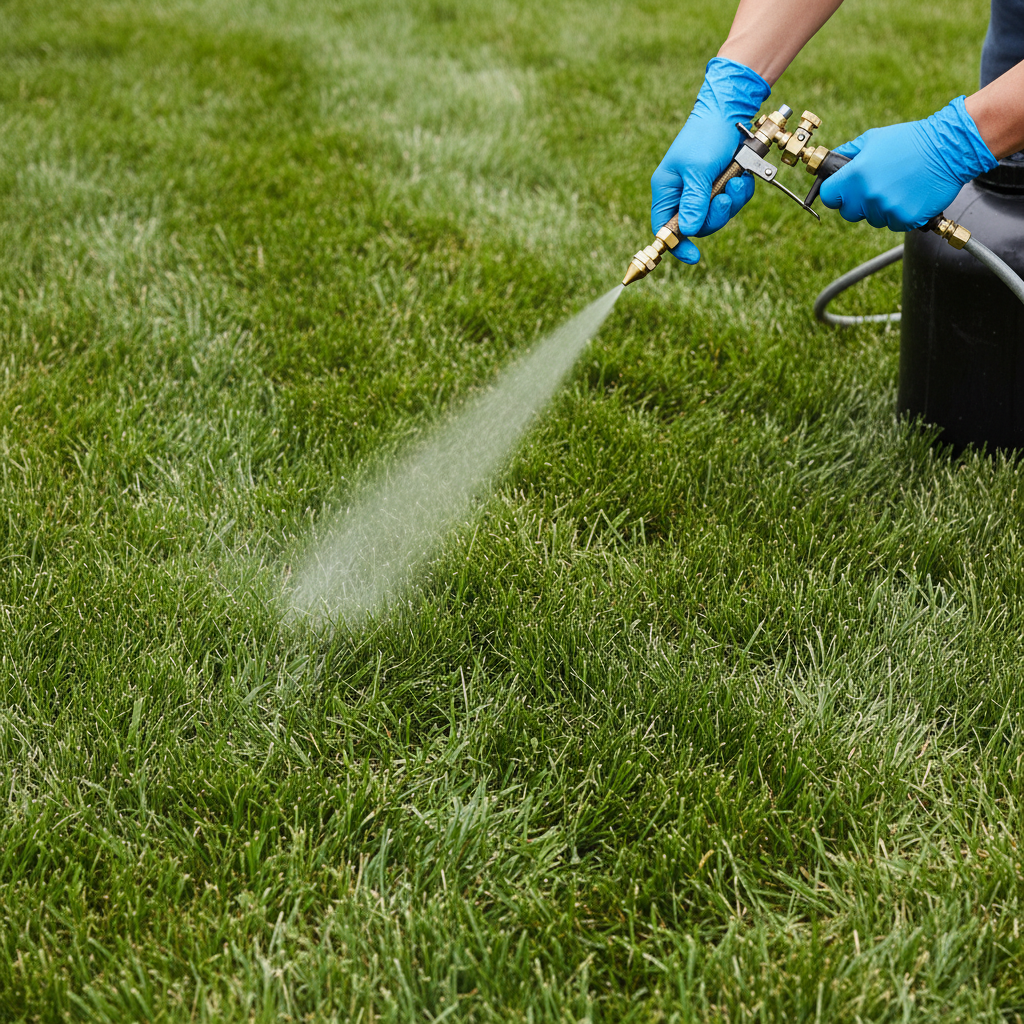
Myth 4: Dethatching and Aeration are Unnecessary
Some homeowners overlook dethatching and aeration, considering them unnecessary. However, these practices can significantly improve lawn health by reducing soil compaction and allowing nutrients, water, and air to reach the roots.
Understanding Lawn Maintenance
Dethatching removes the layer of dead grass and roots, while aeration involves perforating the soil to enhance oxygen flow. Both processes contribute to a more robust and resilient lawn.
Conclusion: Embrace Expert Advice
By debunking these common myths, Dayton’s landscaping experts emphasize the importance of informed lawn care practices. Understanding the needs of your lawn and implementing expert-recommended strategies will ensure a lush, healthy yard. Remember, sometimes less is more, and consistency is key.