
Top 5 DIY Tree Trimming Mistakes and How to Avoid Them


Avoiding DIY Tree Trimming Mistakes
Tree trimming is an essential part of maintaining a healthy and beautiful landscape. However, many DIY enthusiasts make common mistakes that can lead to damaged trees or even personal injury. Understanding these pitfalls can help you avoid them and keep your trees in top condition.
Using Dull or Inappropriate Tools
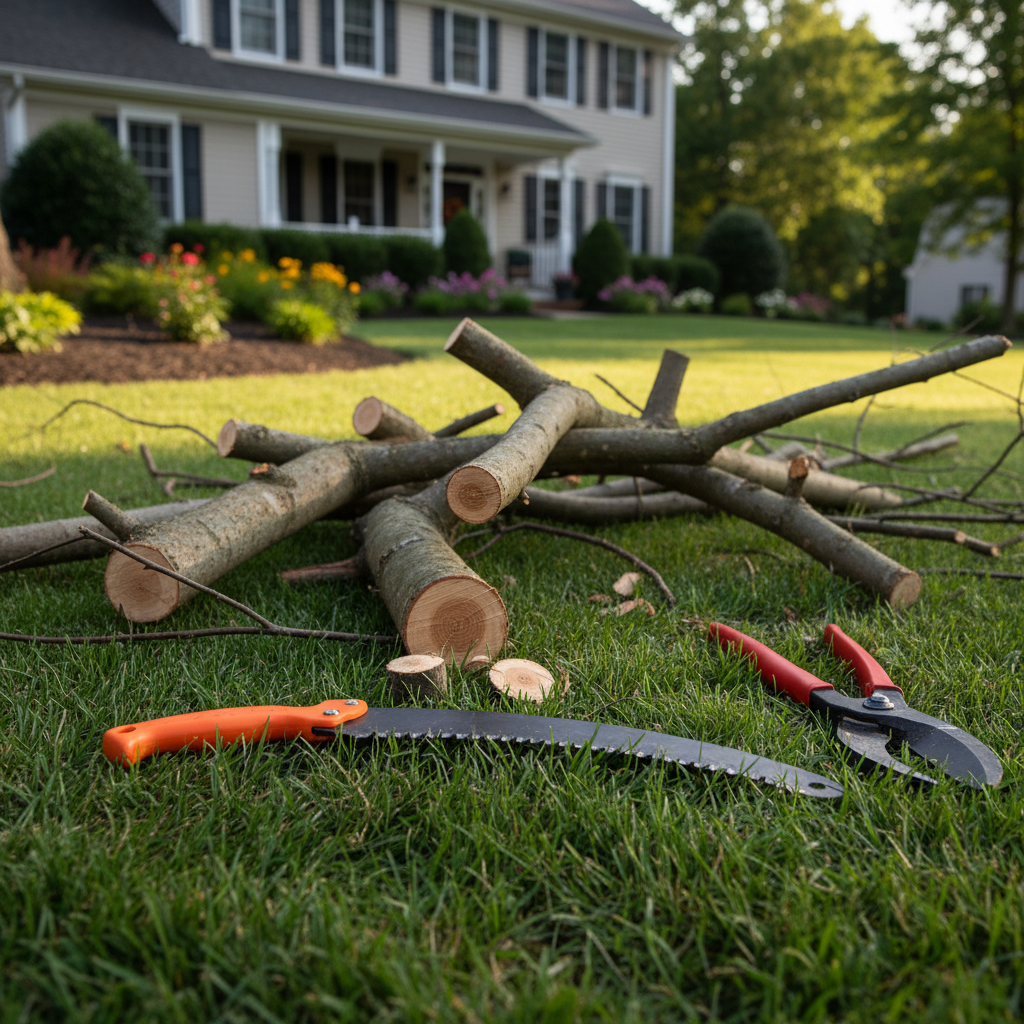
One of the most frequent mistakes is using dull or unsuitable tools. Sharp, quality tools make clean cuts that heal faster and reduce the risk of disease. Make sure to invest in a good set of pruning shears, loppers, and a saw designed specifically for tree trimming.
Additionally, using the wrong tool for a specific task can lead to injury or damage. For instance, trying to cut thick branches with small shears can be ineffective and dangerous. Always choose the right tool for the job to ensure safety and efficiency.
Improper Cutting Techniques
Another common error is poor cutting techniques. Making cuts too close to the trunk or leaving too much of a stub can harm the tree. To avoid this, follow the three-cut method for larger branches: make an undercut, then a top cut a few inches away, and finally remove the stub left behind.

Timing and Frequency Mistakes
Timing is crucial when it comes to tree trimming. Trimming at the wrong time can stress the tree and hinder growth. Most trees are best pruned during their dormant season, typically in late winter or early spring, to encourage healthy growth in the spring.
Over-trimming is another issue. Removing too much foliage can weaken a tree, leaving it vulnerable to disease and pests. Aim to remove no more than 25% of the tree’s canopy in a single session to maintain its health and structure.
Lack of Safety Precautions
Safety should be a top priority when trimming trees. Many DIYers underestimate the risks involved, such as falling branches or unstable ladders. Always wear protective gear, like gloves and goggles, and ensure your ladder is secure before starting work.

Ignoring Tree Health and Structure
Understanding the health and structure of your tree is vital. Ignoring signs of disease or poor structure can lead to long-term damage or even tree death. Look for signs like discolored leaves, dead branches, or unusual growth patterns, and consult a professional if needed.
By avoiding these common mistakes, you can ensure your trees remain healthy and beautiful, enhancing the overall look of your landscape. Happy trimming!