
The Ultimate Guide to Eco-Friendly Groundskeeping Practices


Understanding Eco-Friendly Groundskeeping
Embracing eco-friendly groundskeeping practices is not just about reducing environmental impact; it's also about creating a healthier, more sustainable landscape. By incorporating sustainable methods, you can maintain beautiful grounds while conserving resources and supporting biodiversity.
Water Conservation Techniques
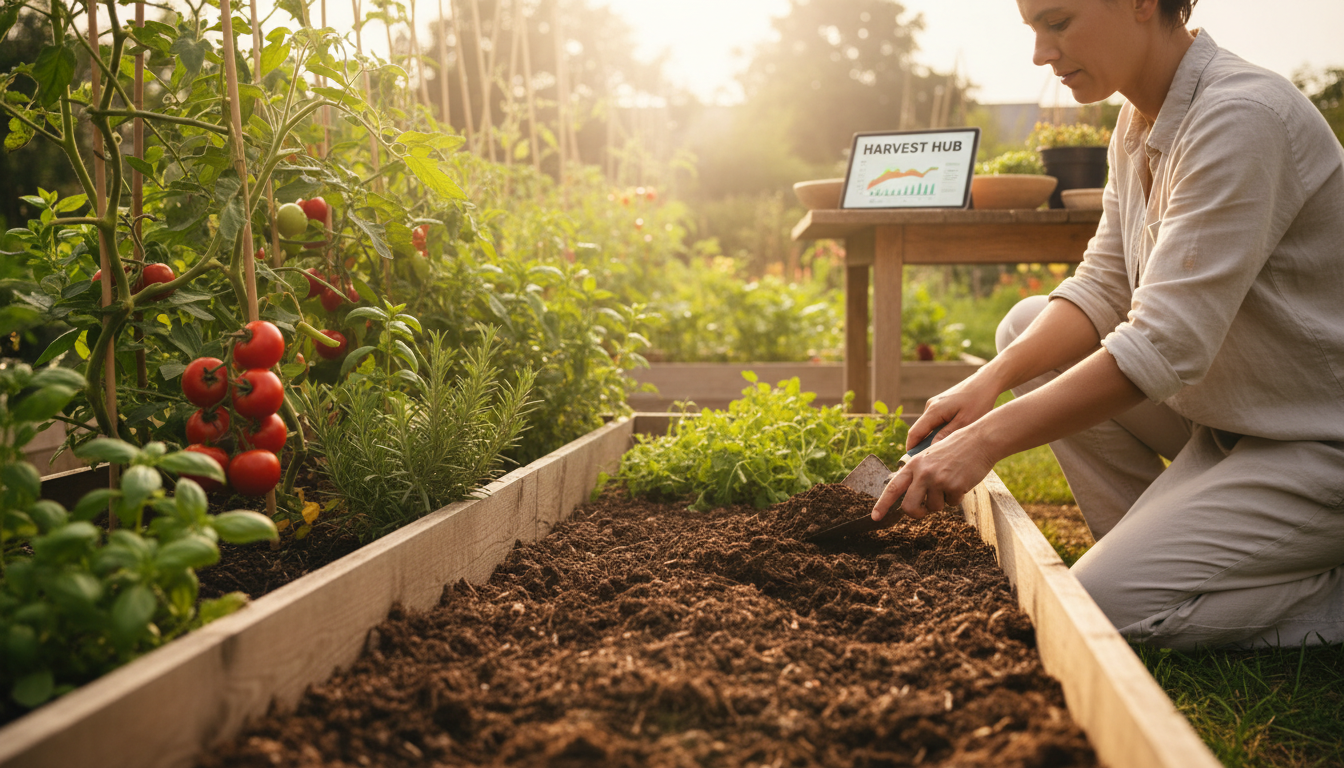
One of the key aspects of eco-friendly groundskeeping is water conservation. Traditional irrigation methods often waste a significant amount of water. To combat this, consider using drip irrigation systems that deliver water directly to the roots, reducing evaporation and runoff.
Additionally, rainwater harvesting can be an effective way to utilize natural precipitation. By installing rain barrels or cisterns, you can collect and store rainwater for use during dry periods.
Natural Pest Control
Instead of relying on chemical pesticides that can harm beneficial insects and the environment, explore natural pest control options. Introducing helpful insects like ladybugs and lacewings can naturally keep pest populations in check.
Planting companion plants is another effective strategy. Certain plants can repel pests or attract predators that feed on them, creating a balanced ecosystem in your garden.
Soil Health and Fertilization
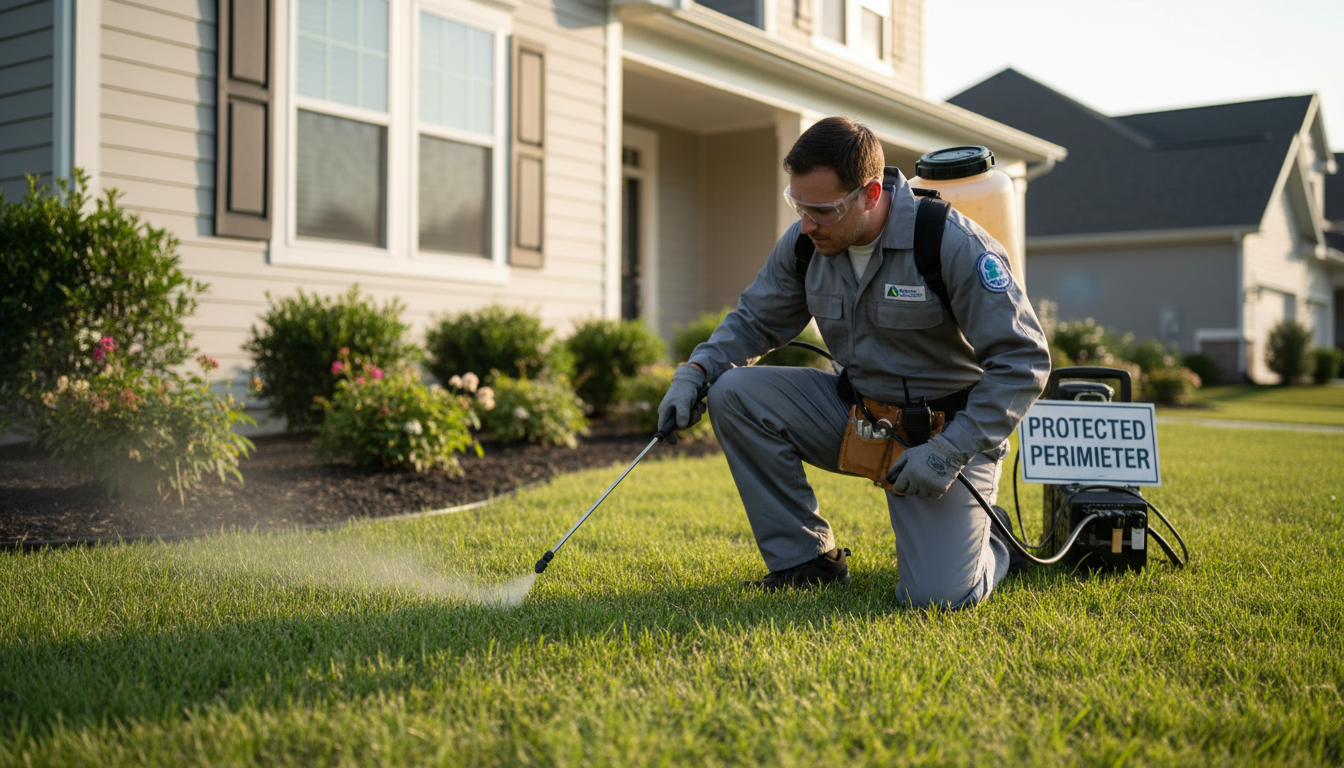
Maintaining soil health is crucial for sustainable groundskeeping. Opt for organic fertilizers and compost instead of synthetic options. Composting not only enriches the soil with nutrients but also reduces landfill waste.
Practicing crop rotation and planting cover crops can enhance soil fertility and prevent erosion. These methods help maintain a balanced nutrient cycle, promoting healthier plant growth.
Choosing Native Plants
Incorporating native plants into your landscape is a simple yet effective eco-friendly practice. Native plants are well-adapted to local climates and require less water and maintenance. They also provide crucial habitats for local wildlife.
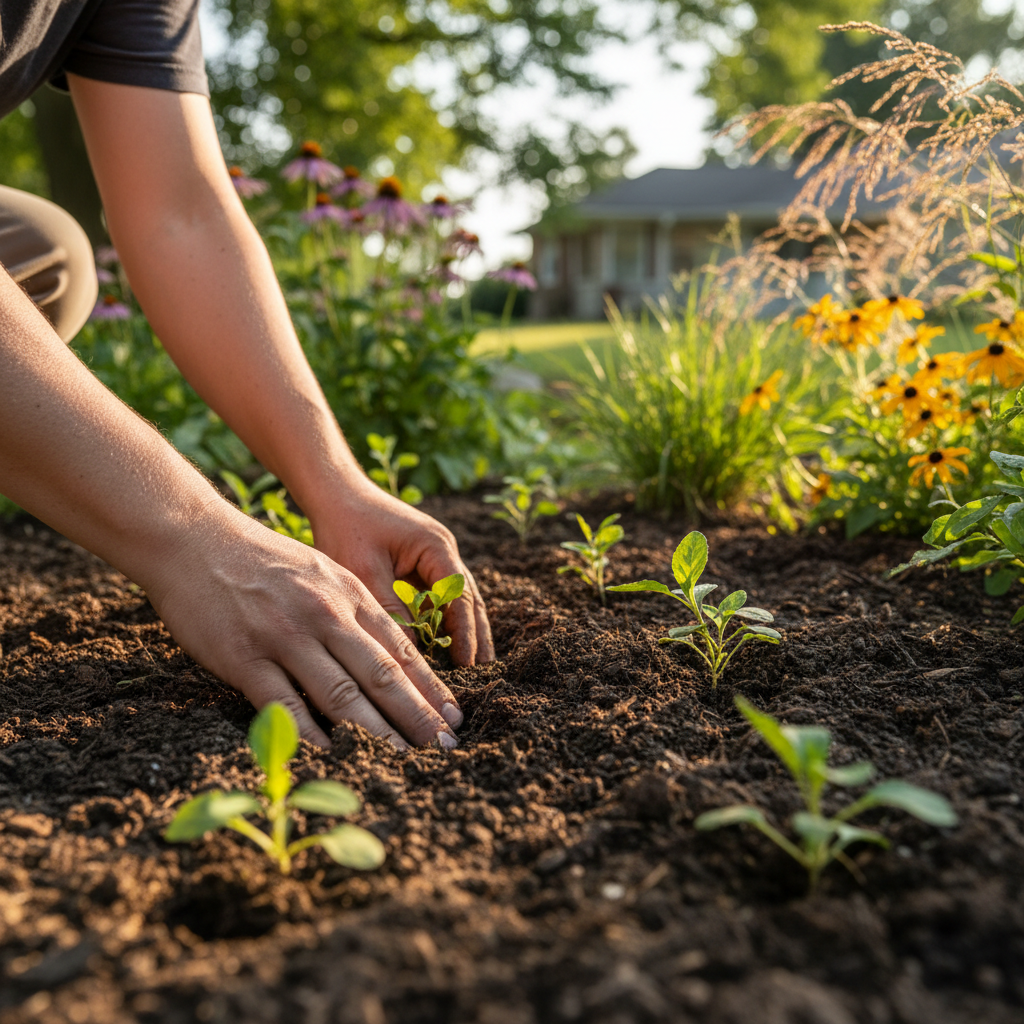
When selecting plants, consider their role in the ecosystem. Native trees, shrubs, and flowers can support pollinators and other beneficial species, enhancing biodiversity in your area.
Reducing Lawn Size
Traditional lawns can be resource-intensive. Reducing lawn size and replacing it with alternative ground covers or wildflower meadows can significantly reduce water usage and maintenance needs. These alternatives provide aesthetic appeal and support local ecosystems.
For areas where a lawn is necessary, choose drought-resistant grass varieties and practice sustainable mowing techniques, such as leaving grass clippings to decompose, returning nutrients to the soil.
Implementing Eco-Friendly Practices
Transitioning to eco-friendly groundskeeping practices can seem daunting, but starting small can make a big difference. Prioritize areas that require the most improvement and gradually implement changes.

Consider conducting a sustainability audit to identify areas for improvement. By setting achievable goals and making incremental changes, you can create a sustainable and thriving landscape.