
Spring Garden Preparation in Dayton, VA: A Veteran's Guide


Spring is just around the corner in Dayton, VA, and for veterans with a passion for gardening, it's the perfect time to start planning and preparing. Whether you're a seasoned gardener or a newcomer to the craft, following a structured plan will ensure a bountiful and beautiful garden. Here's a veteran's guide to getting your spring garden ready.
Assessing Your Garden Space
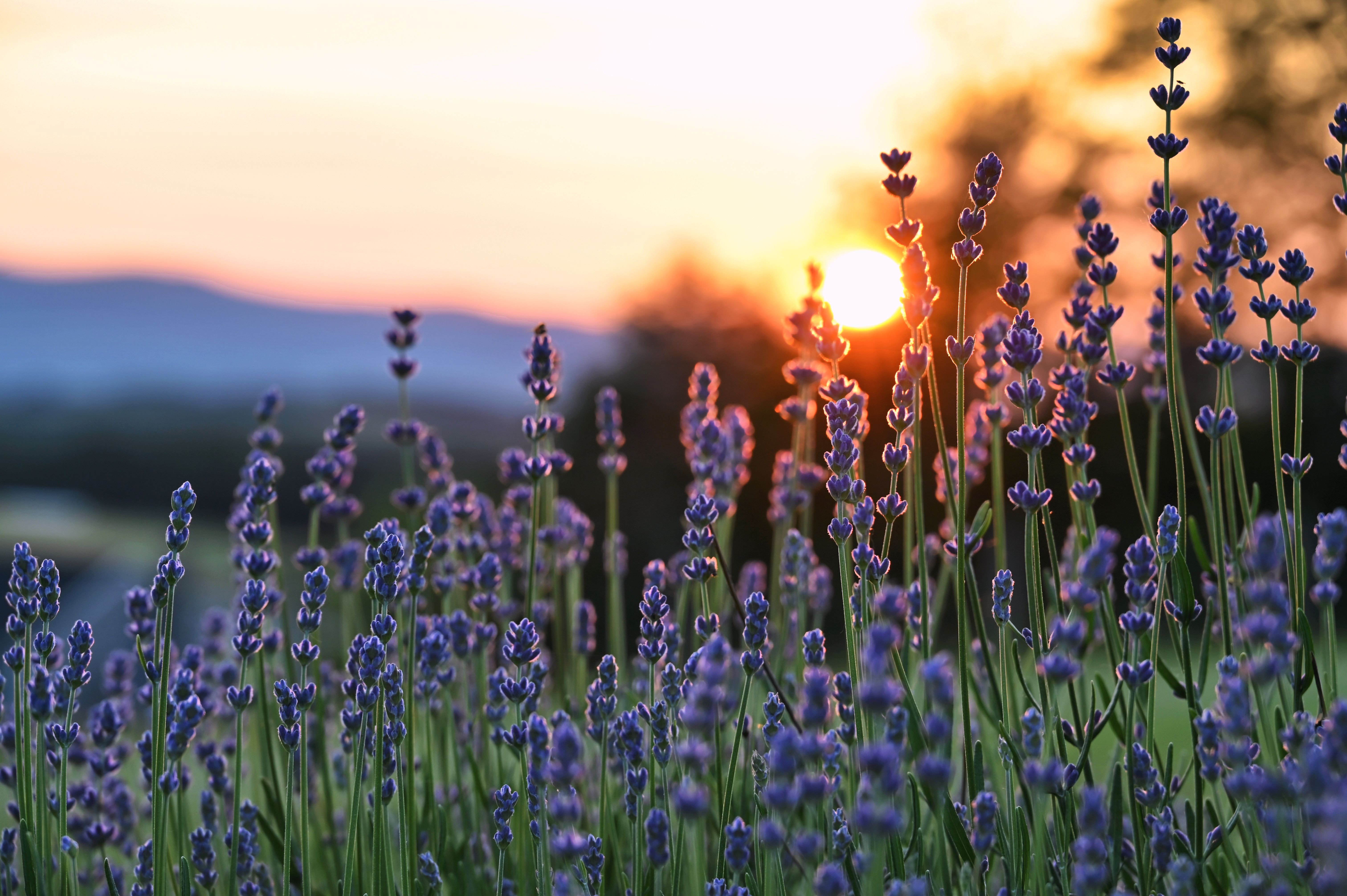
Before you dive into planting, take some time to assess your garden space. Walk around your yard and evaluate the condition of your soil, the sunlight exposure, and any existing plants. Understanding these factors will help you make informed decisions about what to plant and where.
Consider performing a soil test to check for pH levels and nutrient content. This will give you insights into what amendments may be necessary. Additionally, clear out any debris or dead plants from the winter to make room for new growth.
Planning Your Garden Layout
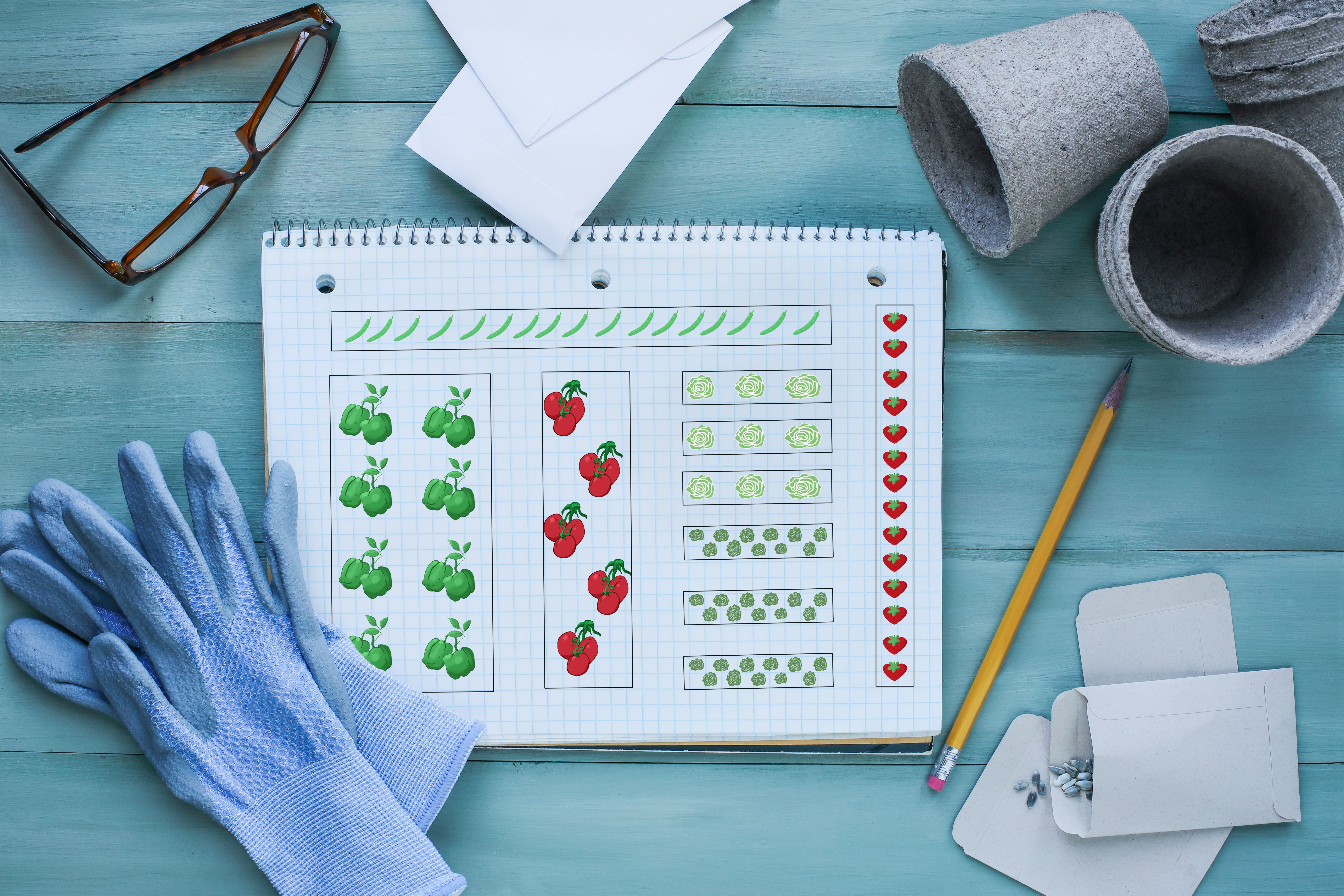
Once you've assessed your space, it's time to plan your garden layout. Think about what plants you want to grow and how much space they require. Utilize companion planting techniques to maximize growth and deter pests. For instance, planting marigolds alongside tomatoes can help keep nematodes at bay.
Sketch out a rough plan of your garden, considering the mature size of each plant. This will help you avoid overcrowding and ensure that each plant has enough room to thrive.
Choosing the Right Plants
Selecting the right plants is crucial for a successful garden. Consider the climate in Dayton, VA, and choose plants that are well-suited to the local environment. Popular choices include tomatoes, peppers, cucumbers, and various herbs.
If you're interested in ornamental plants, consider native species that support local wildlife. Native plants are typically more resilient and require less maintenance.
Preparing the Soil
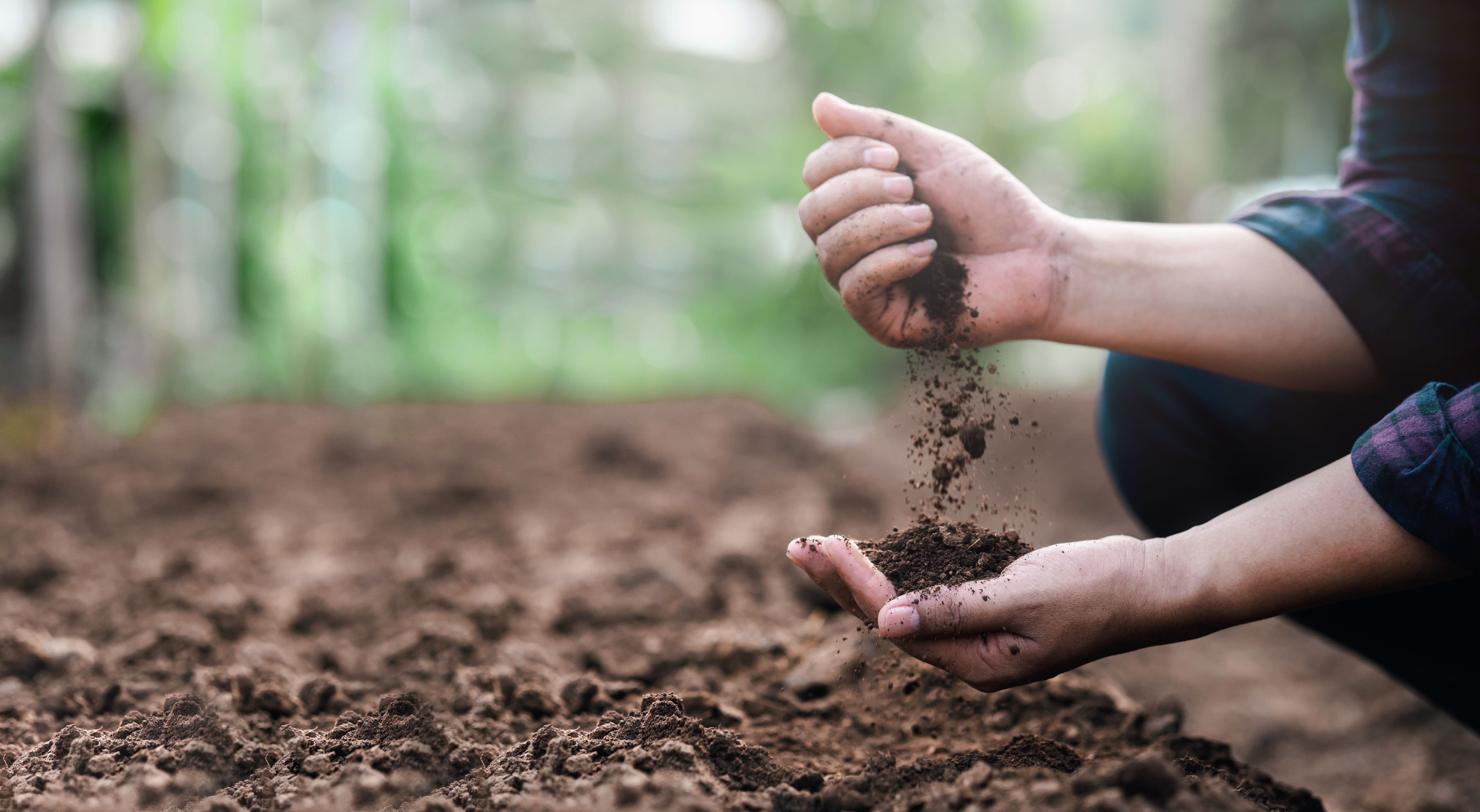
Soil preparation is a critical step in ensuring healthy plant growth. Begin by tilling the soil to break up any compaction and improve drainage. Add organic matter such as compost or well-rotted manure to enrich the soil with nutrients.
If your soil test indicated any deficiencies, now is the time to add the necessary amendments. A well-prepared soil bed will provide the foundation for a thriving garden.
Planting Techniques
With your garden planned and soil prepared, it's time to start planting. Pay attention to the planting depth and spacing recommendations for each plant. Proper planting techniques will help prevent diseases and encourage robust growth.
Consider starting some seeds indoors to get a head start on the growing season. This is especially useful for plants like tomatoes and peppers, which benefit from a longer growing period.
Maintaining Your Garden
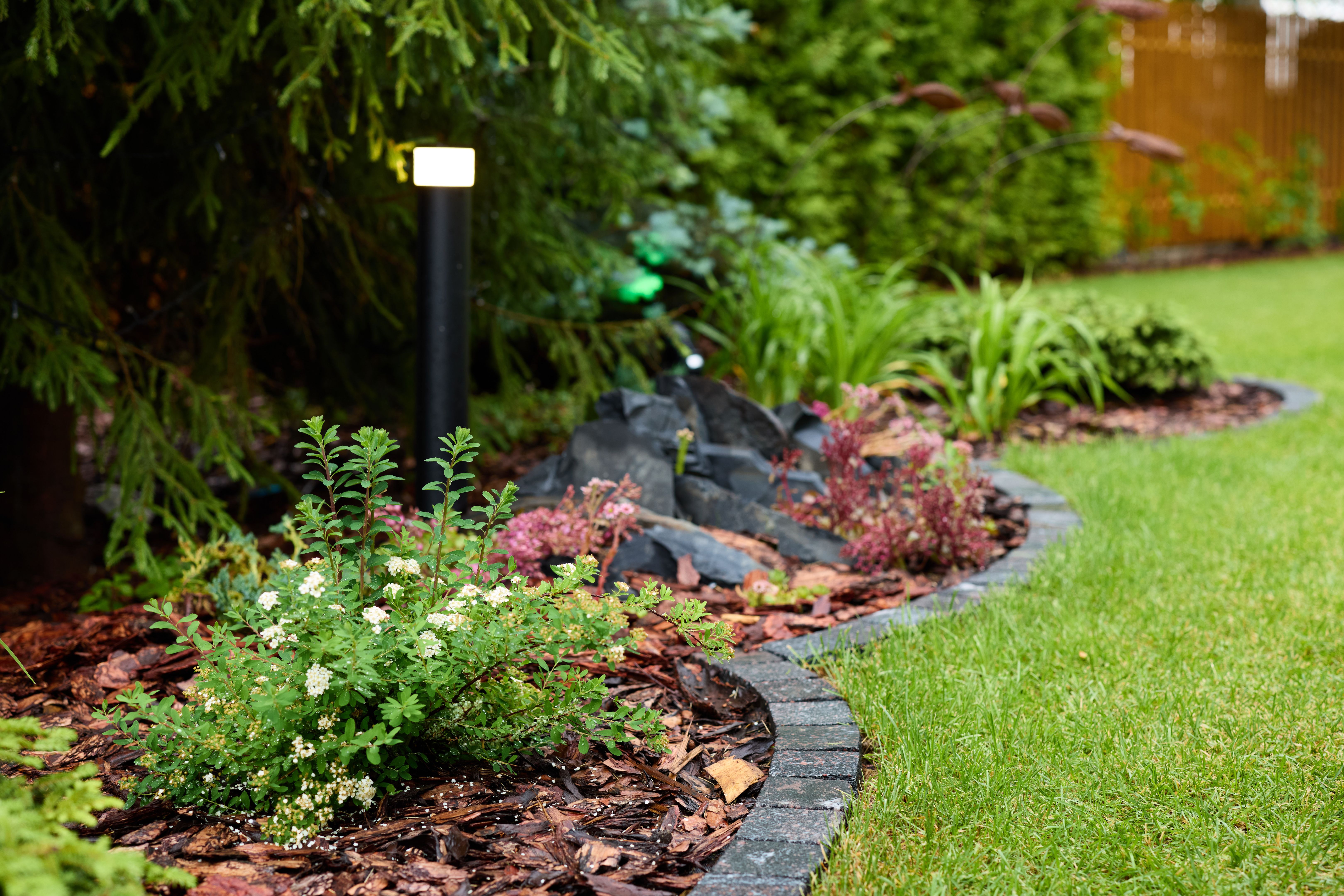
Regular maintenance is key to a productive garden. Water your plants consistently and adjust based on rainfall and temperature. Mulching around plants can help retain moisture and suppress weeds.
Keep an eye out for pests and diseases. Early intervention can prevent minor issues from becoming major problems. Consider using organic pest control methods to protect both your plants and the environment.
By following these steps, veterans in Dayton, VA can enjoy a fruitful gardening season. Preparing your spring garden involves careful planning, but the rewards of fresh produce and beautiful blooms make it all worthwhile. Happy gardening!