
Seasonal Lawn Care Tips for Virginia Homeowners


Understanding Virginia's Climate
Virginia's climate varies significantly from the coastal plains to the mountainous regions. This diverse climate requires homeowners to tailor their lawn care practices accordingly. In general, Virginia experiences four distinct seasons, each bringing its own set of challenges and opportunities for lawn maintenance.
During the spring, temperatures begin to rise, providing an ideal environment for grass to grow. Summer months can be hot and humid, placing stress on lawns, while fall offers a cooler respite that encourages growth and recovery. Winter, although milder compared to northern states, still demands attention to keep lawns healthy.

Spring Lawn Care
Start with Aeration and Overseeding
Spring is the perfect time to aerate your lawn. Aeration helps break up compacted soil, allowing air, nutrients, and water to penetrate the roots more effectively. Follow this with overseeding to fill in any bare patches and to encourage a lush, green lawn.
Fertilize and Weed Control
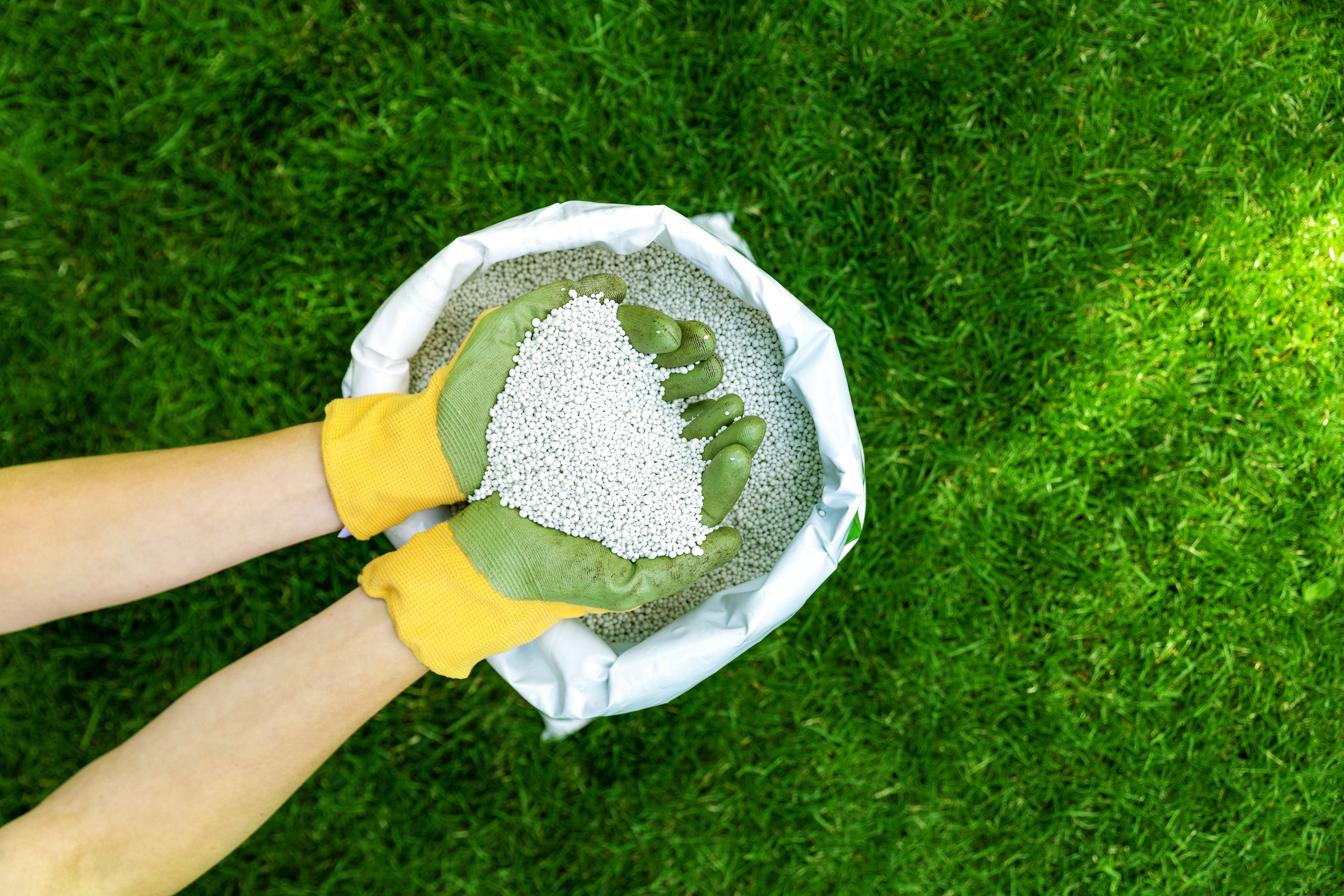
Applying a balanced fertilizer in the spring provides essential nutrients to jump-start your lawn's growth. Additionally, consider using a pre-emergent herbicide to control weeds before they become a problem. This proactive approach can save time and effort later in the season.
Summer Lawn Care
Water Wisely
With Virginia's hot summers, efficient watering is crucial. Water deeply but infrequently, ideally early in the morning. This method encourages deep root growth and reduces the risk of fungal diseases. Aim for about one inch of water per week, including rainfall.
Mowing Practices
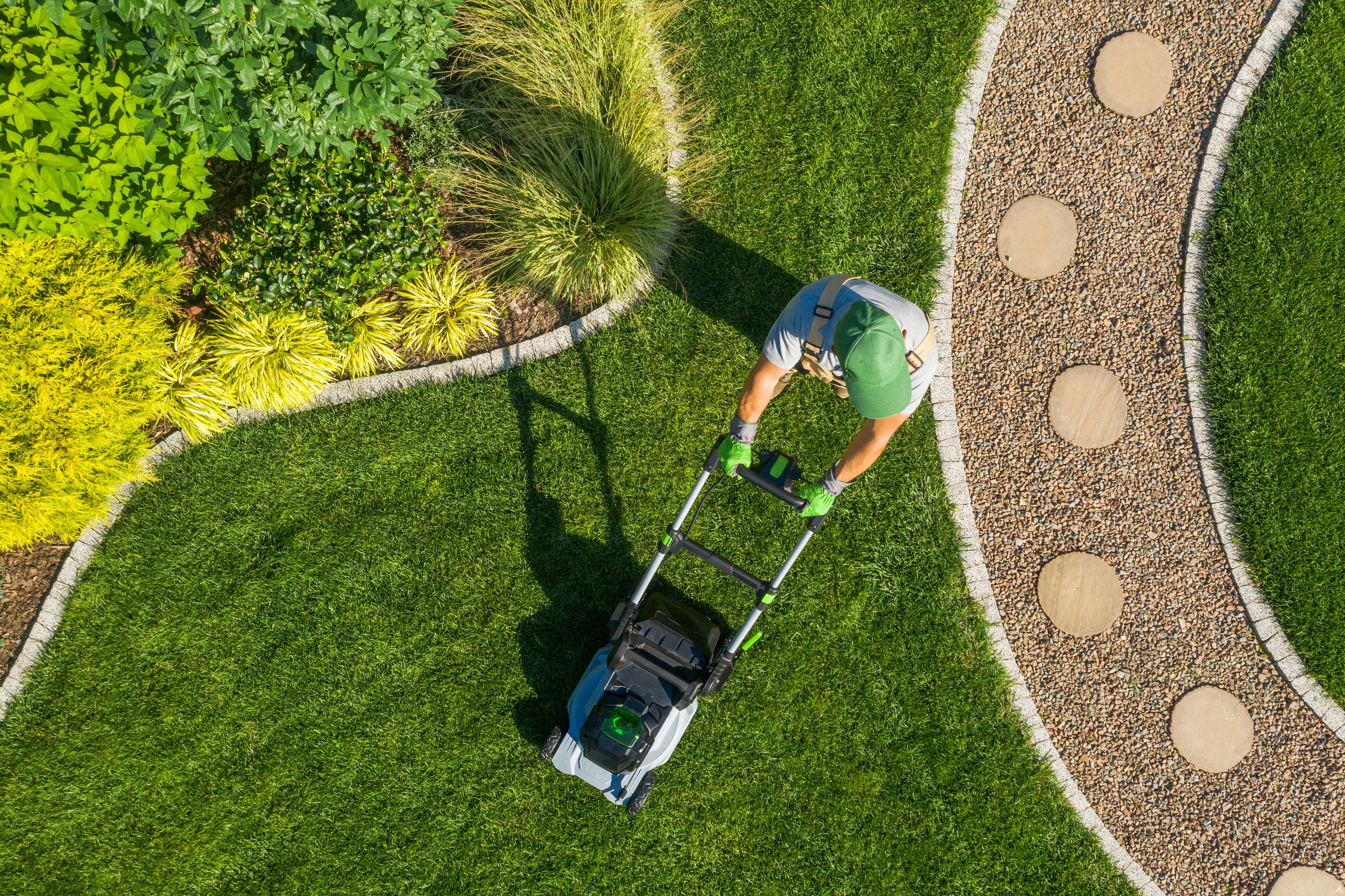
Adjust your mower to a higher setting during summer. Longer grass blades provide shade to the soil, reducing water evaporation and promoting root growth. It's also important to keep your mower blades sharp to ensure clean cuts and prevent damage to the grass.
Fall Lawn Care
Rake and Remove Leaves
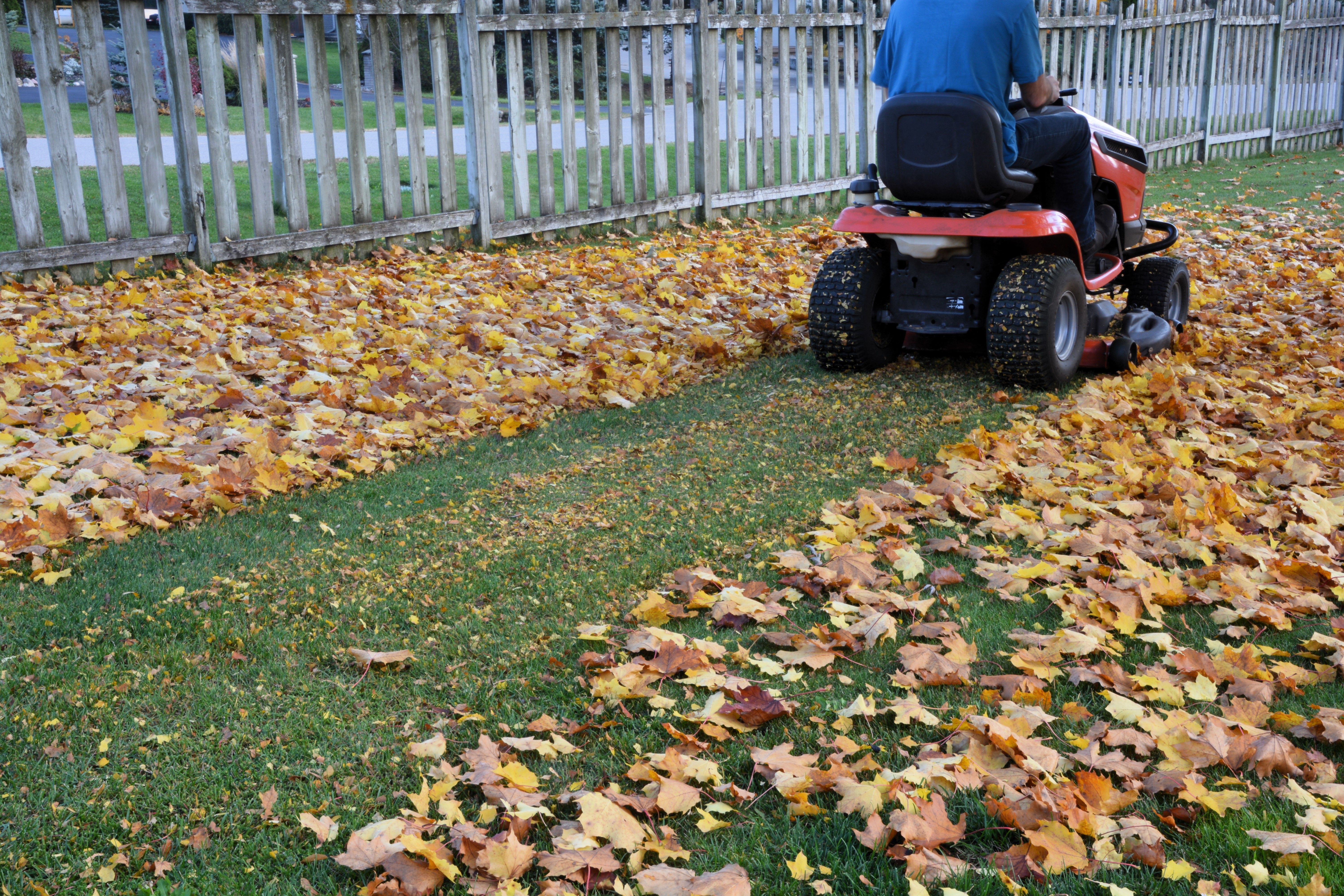
Fallen leaves can smother your lawn, leading to disease and decay. Regularly rake and remove leaves to maintain a healthy lawn. This also helps prepare your lawn for winter by ensuring it receives adequate sunlight and air circulation.
Fall Fertilization and Aeration
Applying a high-potassium fertilizer in the fall strengthens the grass for the winter months. Aeration during this time can also be beneficial, allowing nutrients to reach the roots more effectively. This prepares your lawn for a strong comeback in the spring.
Winter Lawn Care
Minimize Traffic
During winter, avoid walking on frozen grass as much as possible. Foot traffic can cause damage to grass blades and increase the risk of compaction. If necessary, create designated pathways to minimize impact.
Prepare for Spring
Even in winter, some preparation can be done for the coming spring. Clean and sharpen your lawn equipment, and plan any landscape changes. This ensures you're ready to jump into action as soon as the weather warms up.
By following these seasonal lawn care tips, Virginia homeowners can maintain a vibrant and healthy lawn year-round. Each season presents unique challenges, but with proper care, your lawn can thrive in Virginia’s diverse climate.