
How to Prepare Your Lawn for Virginia’s Changing Seasons


Understanding Virginia’s Climate
Virginia's climate is known for its variability, with distinct seasonal changes that can impact your lawn's health. From the hot and humid summers to cold, sometimes snowy winters, preparing your lawn for these changes is essential. Understanding the local climate patterns will help you anticipate what your lawn needs throughout the year.
During spring and fall, Virginia experiences mild temperatures and ample rainfall, ideal for lawn growth. However, the summer heat can lead to drought stress, while winter can freeze and damage the grass. Proper preparation can ensure your lawn remains lush and healthy year-round.

Spring Preparation
As temperatures rise, spring is the perfect time to rejuvenate your lawn. Begin by clearing debris such as fallen branches and leaves. These can smother the grass and prevent new growth. Next, aerate the soil to improve air circulation and water absorption. Aeration also helps alleviate soil compaction after winter.
After aerating, consider applying a slow-release fertilizer to provide essential nutrients. This promotes healthy root development and prepares your lawn for the growing season. Additionally, overseeding can fill in bare patches and improve grass density.

Summer Maintenance
During the summer, your lawn faces challenges like heat and drought. To maintain a healthy lawn, water deeply and infrequently rather than shallowly and often. This encourages deep root growth, making your grass more resilient to dry conditions. Early morning is the best time to water, reducing evaporation loss.
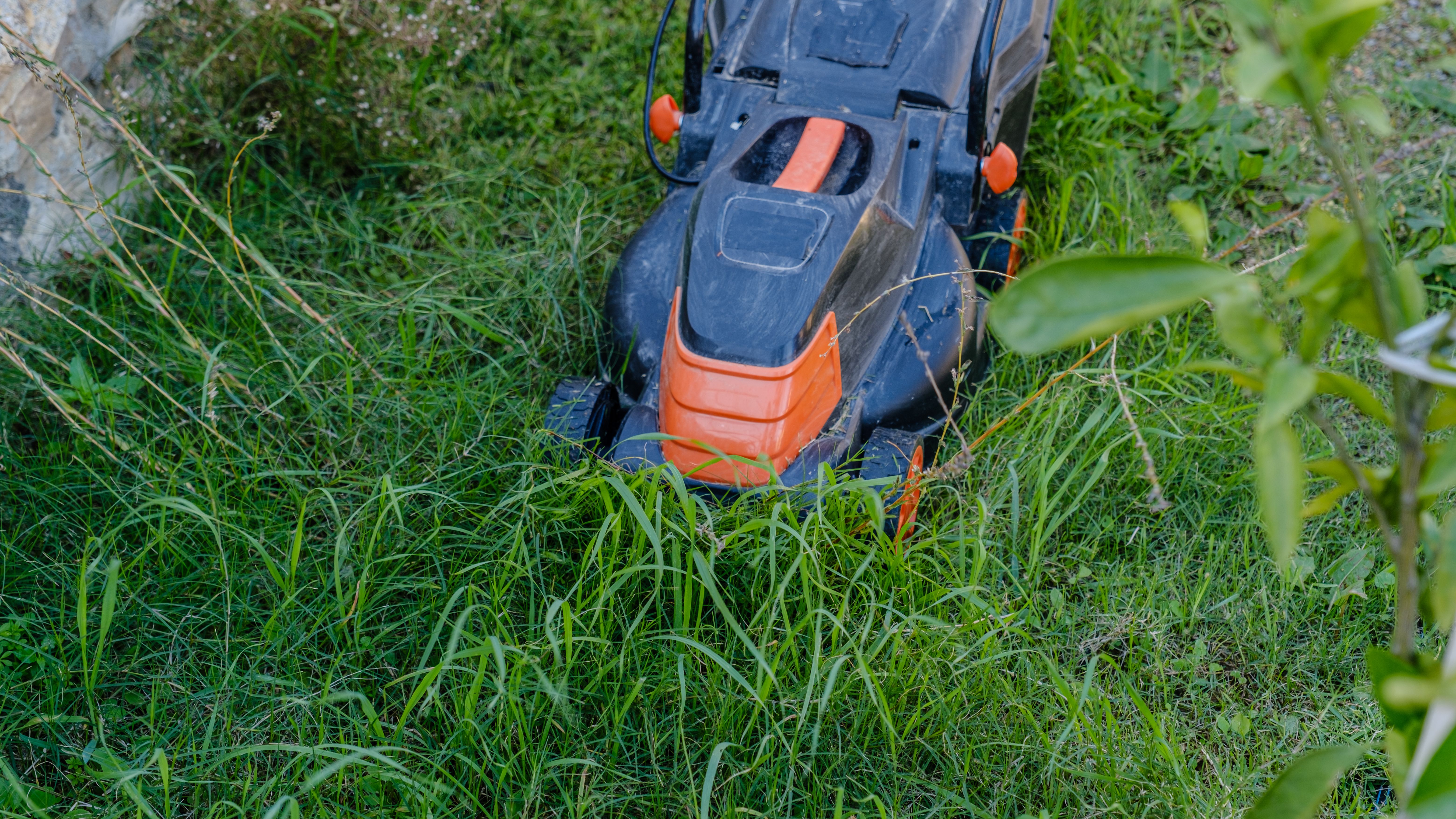
Mowing is another crucial aspect. Set your mower blades higher to allow the grass to retain moisture better and provide shade for the roots. Avoid cutting more than one-third of the grass height in a single mow to prevent stress.

Fall Care
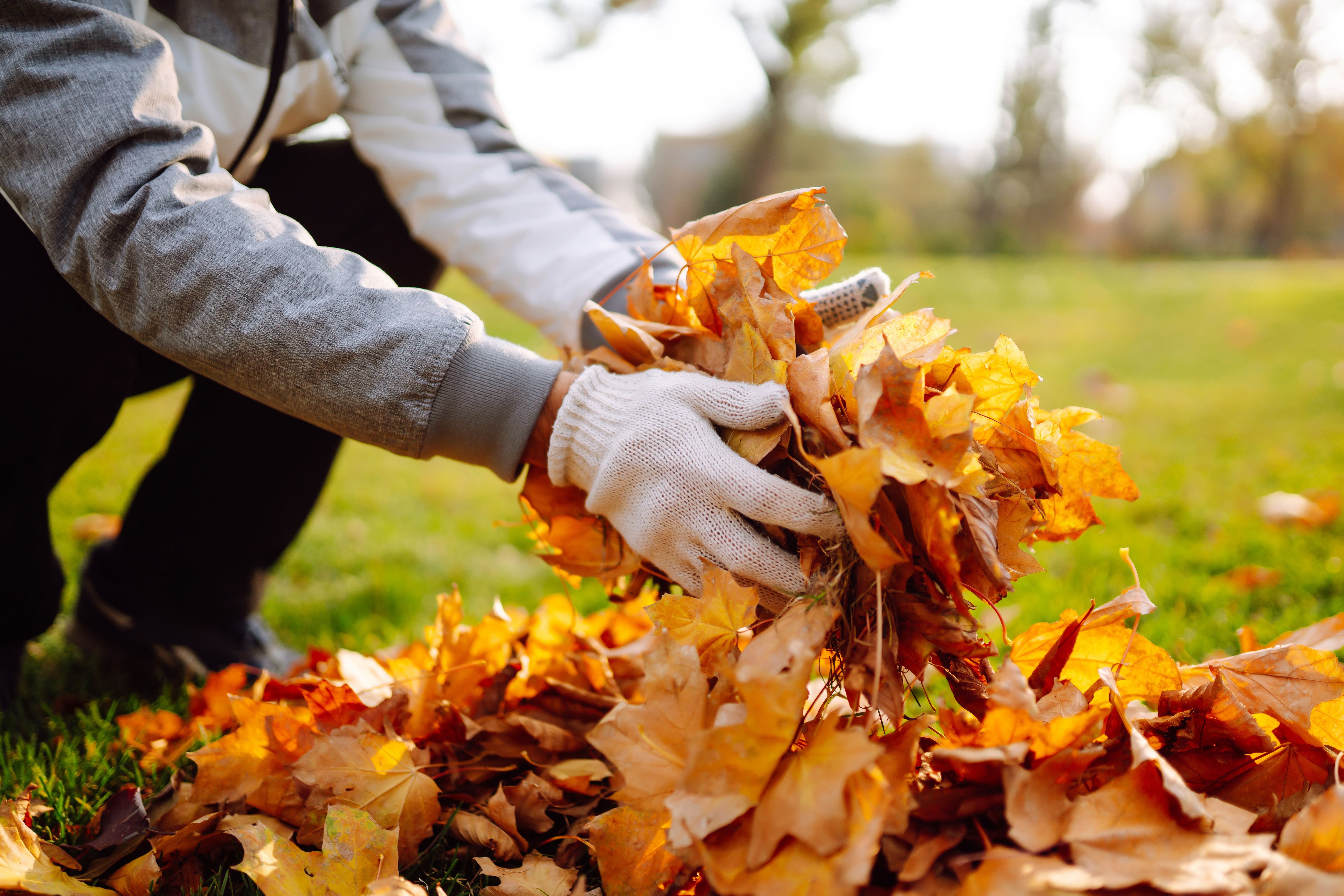
Fall is an excellent time for lawn recovery and preparation for winter. Start by raking leaves regularly, as they can block sunlight and trap moisture, leading to disease. Aerate the lawn again to alleviate any soil compaction from summer activities.
Apply a fall fertilizer to strengthen the grass roots and enhance nutrient storage over winter. Consider overseeding to thicken the lawn and reduce weeds. Fall is also a good time to adjust your mowing height to prepare for winter dormancy.
Winter Preparation
Winter in Virginia can vary significantly, but preparing your lawn is still essential. Begin by ensuring your grass is healthy and well-nourished in the fall, as this will help it withstand cold temperatures. Remove any debris or equipment that could damage the grass during freezing conditions.
Avoid excessive foot traffic on your lawn during winter, as frozen grass is more susceptible to damage. If snow is expected, consider spreading a light layer of straw or mulch to protect the grass. This can help insulate the roots and prevent frost damage.
Conclusion
Preparing your lawn for Virginia’s changing seasons involves understanding the local climate and implementing season-specific care strategies. With proper preparation and maintenance, you can enjoy a lush, healthy lawn all year long. By following these guidelines, you'll ensure your lawn remains resilient and vibrant, no matter what the weather brings.