
How to Maintain a Healthy Lawn All Year Round in Dayton, VA


Understanding Your Lawn's Needs
Maintaining a healthy lawn in Dayton, VA, requires understanding the specific needs of your grass type and local climate. The first step is to identify the type of grass you have, as this will determine your care routine. Cool-season grasses, such as Kentucky bluegrass and fescue, are common in this region and thrive in cooler temperatures.
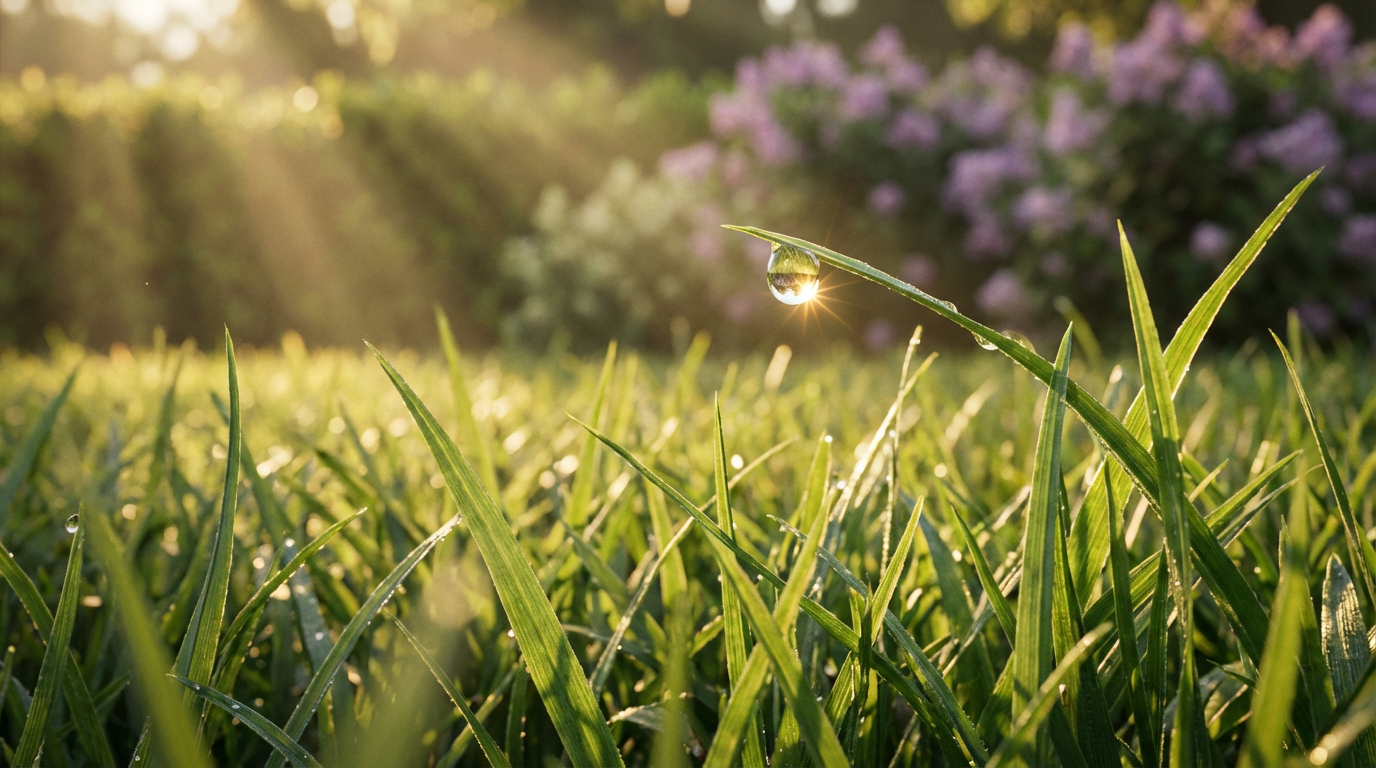
It's essential to tailor your lawn care practices to the season. During the spring and fall, focus on aerating and seeding, while summer requires careful watering and mowing strategies to prevent heat stress. Winter is the time to prepare your lawn for dormancy and ensure it emerges healthy in the spring.
Watering Techniques
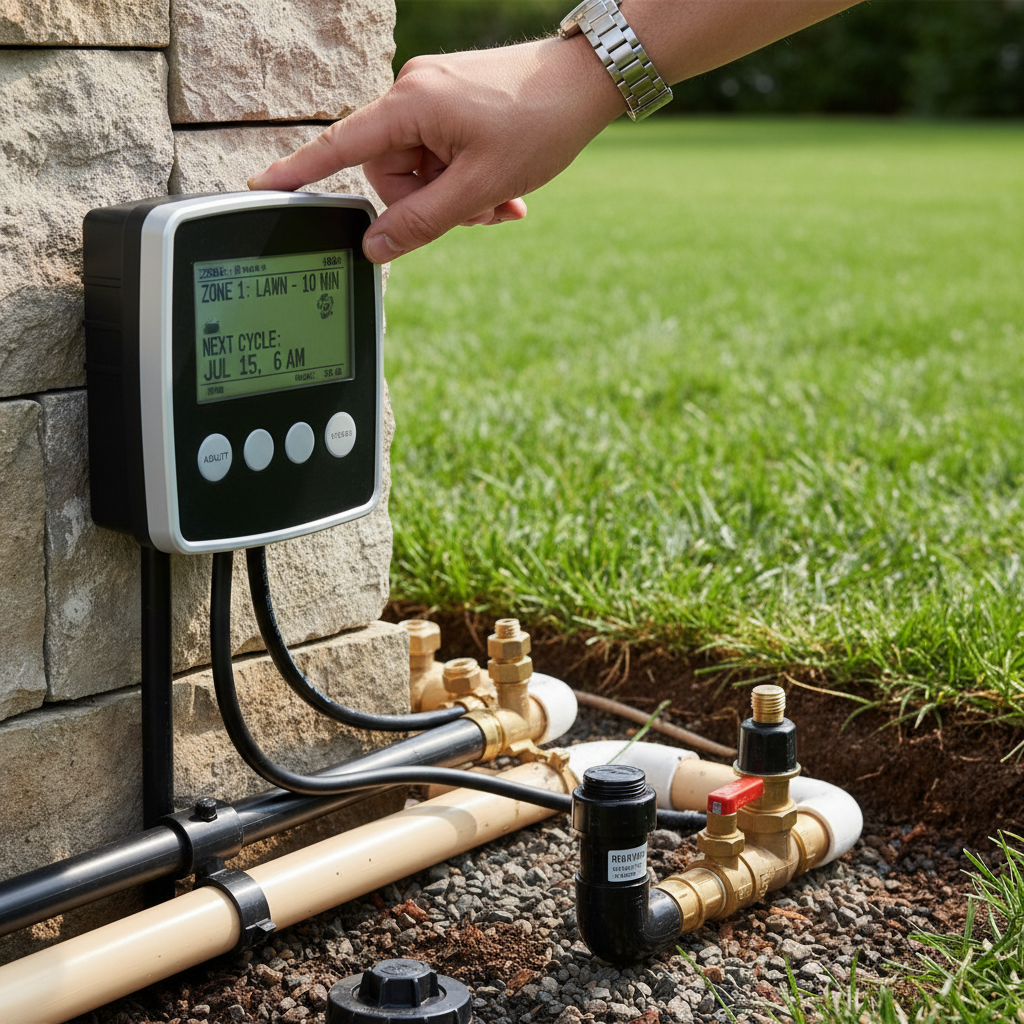
Proper watering is crucial for maintaining a lush lawn. In Dayton, the relatively humid climate means you might not need to water as frequently, but consistency is key. Water deeply and infrequently, allowing the soil to dry out between watering sessions to encourage deep root growth.
Early morning is the best time to water, as it reduces evaporation and fungal diseases. Aim for about 1 to 1.5 inches of water per week, including rainfall. Adjust based on the weather conditions, and use a rain gauge to monitor rainfall.
Mowing Best Practices
Mowing is not just about keeping your lawn looking neat; it also plays a significant role in its health. Set your mower blades to the appropriate height for your grass type. For most cool-season grasses, this means keeping the mower at around 2.5 to 3.5 inches.
Avoid cutting more than one-third of the grass blade at a time. This practice helps maintain healthy growth and reduces stress on the grass. Regularly sharpen your mower blades to ensure clean cuts, which help prevent disease.
Fertilization and Soil Health
Fertilizing your lawn provides essential nutrients that help it thrive. In Dayton, it's best to fertilize in the fall and spring. Use a slow-release fertilizer for a steady supply of nutrients. Conduct a soil test to determine the specific needs of your lawn and adjust your fertilization accordingly.
Healthy soil is the foundation of a healthy lawn. Consider adding organic matter, like compost, to improve soil structure and nutrient content. This can enhance water retention and reduce the need for chemical fertilizers.
Weed and Pest Control
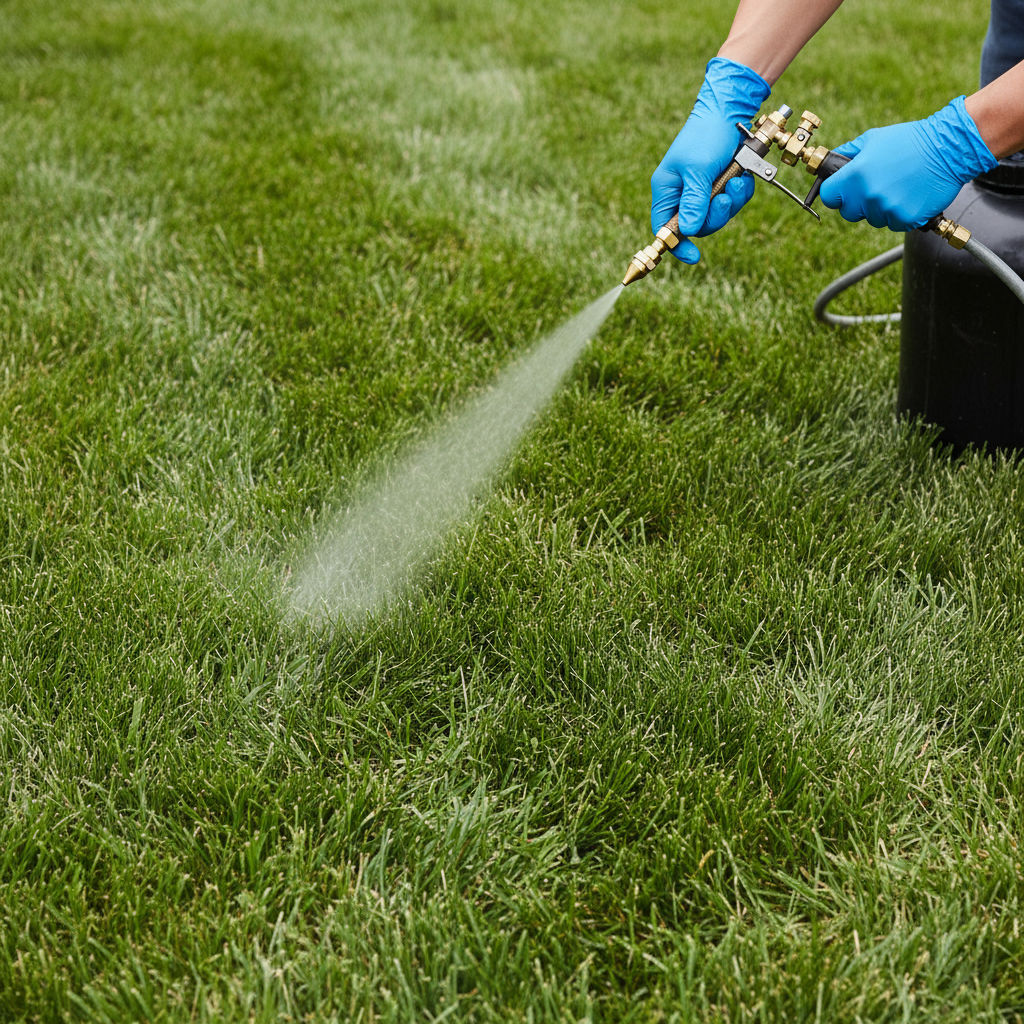
Weeds and pests can quickly become a problem if not managed properly. Regular mowing and fertilization can help prevent weeds by promoting a dense, healthy lawn that crowds out unwanted plants. If weeds do appear, hand-pulling or using a targeted herbicide can be effective.
Pests can cause significant damage, so it's important to monitor your lawn for signs of infestation. Natural pest control methods, such as encouraging beneficial insects, can be a sustainable option. If necessary, consult with a local expert for treatment options that are safe for the environment.
Seasonal Lawn Care Tips
Each season brings unique challenges and opportunities for lawn care in Dayton, VA. In spring, focus on dethatching and overseeding to rejuvenate your lawn after winter. Summer requires careful attention to watering and mowing practices to manage heat stress.
Fall is the ideal time for aeration and fertilization, setting the stage for strong growth in the coming year. Finally, prepare your lawn for winter by clearing debris and providing a final mow at a slightly lower height to reduce the risk of snow mold.
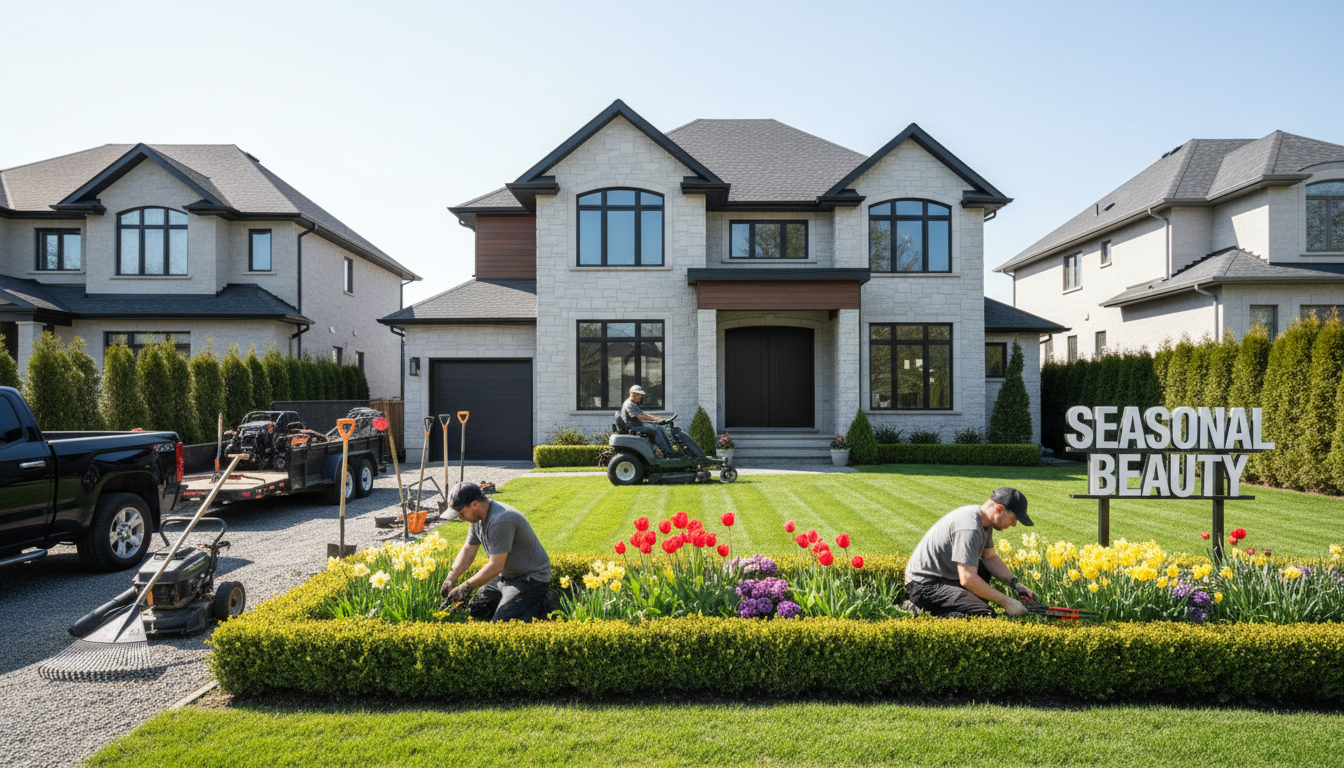
By following these strategies and tailoring your approach to the local climate and your specific lawn type, you can maintain a beautiful and healthy lawn all year round in Dayton, VA. Regular maintenance and attention to detail will pay off with a lush, green lawn that enhances your home's curb appeal.