
How to Implement Eco-Friendly Groundskeeping Practices at Home


Understanding Eco-Friendly Groundskeeping
Embracing eco-friendly groundskeeping practices at home is not only beneficial for the environment but also enhances the beauty and health of your landscape. By taking a sustainable approach, you can reduce waste, conserve water, and promote biodiversity. Let's explore some effective strategies to achieve this.
Start with Native Plants
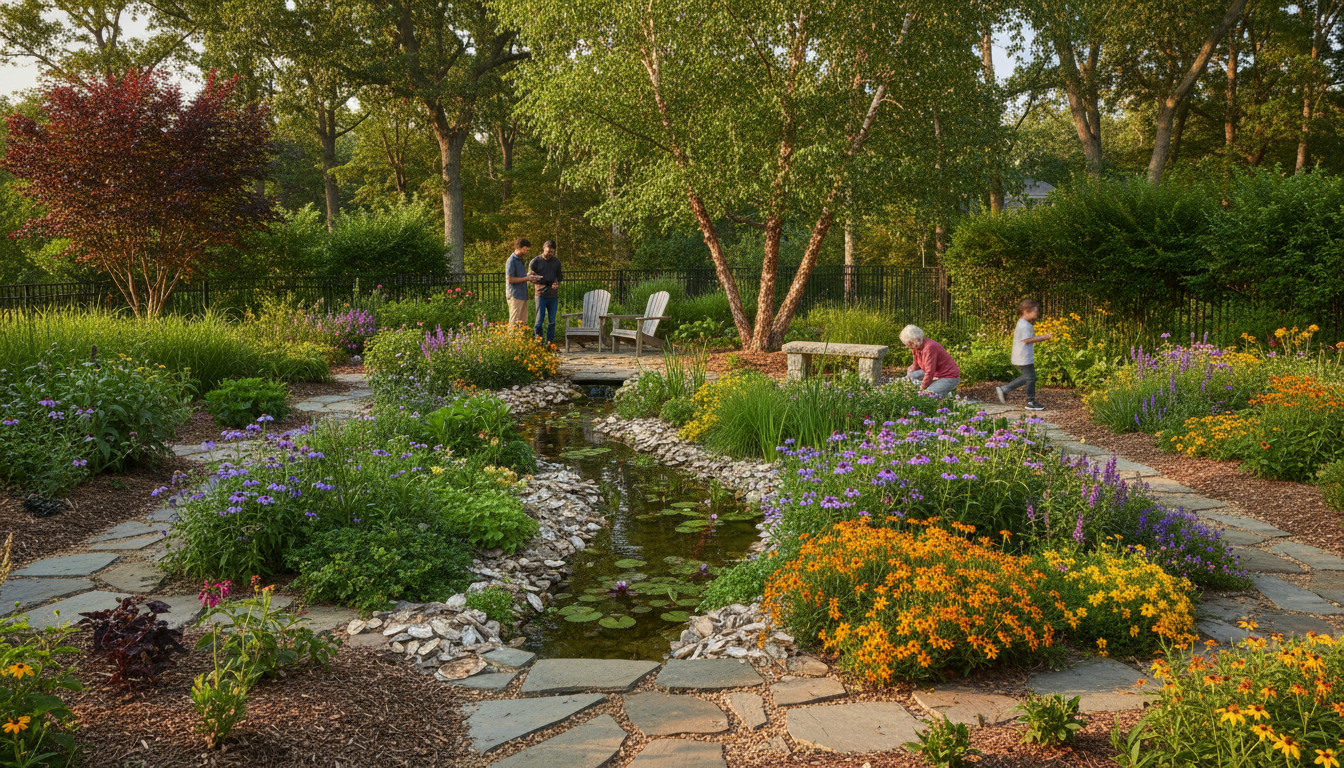
One of the most effective ways to create an eco-friendly garden is by choosing native plants. These plants are naturally adapted to the local climate and soil conditions, requiring less water and fewer chemical interventions. By incorporating native species, you support local ecosystems and attract beneficial wildlife like pollinators.
Native plants are resilient and more likely to thrive, reducing the need for excessive maintenance. Consider consulting with a local nursery or garden center to discover the best native plants for your area.
Adopt Water Conservation Techniques
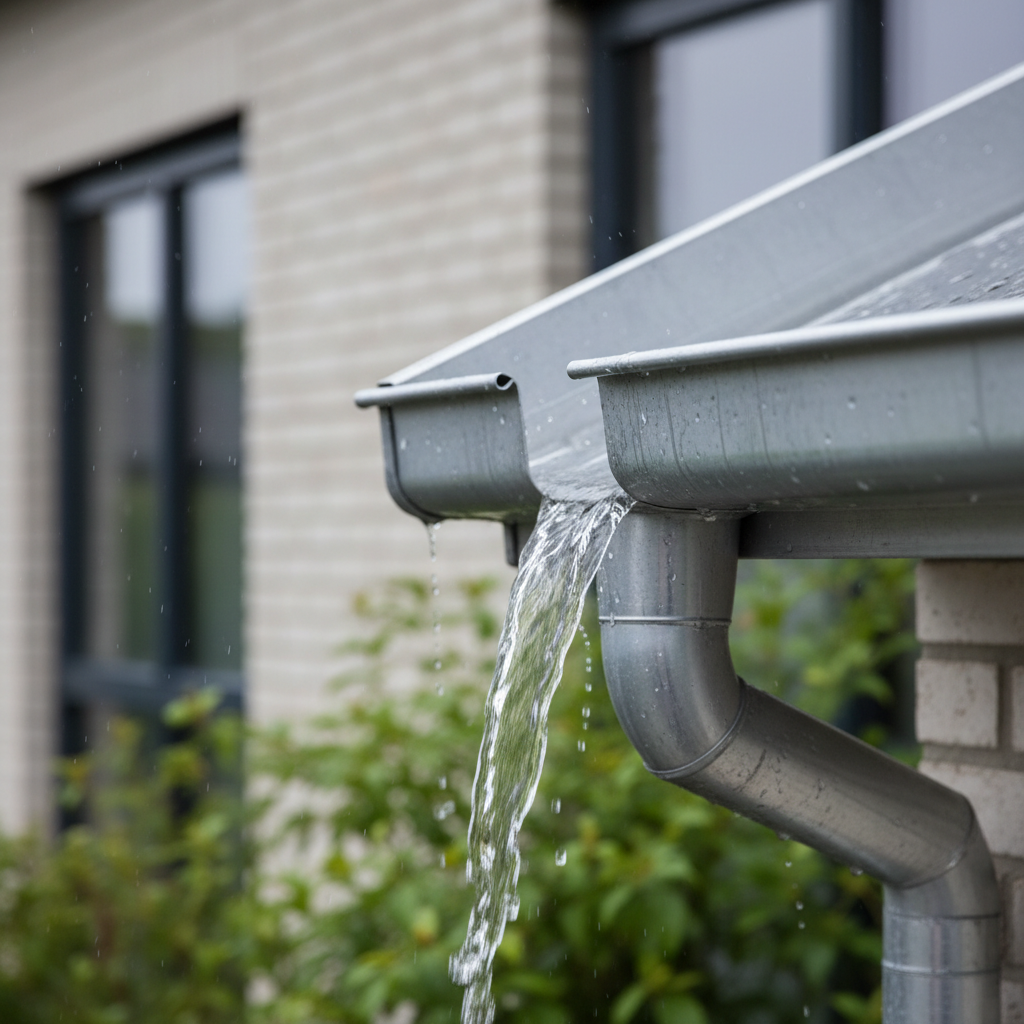
Water conservation is a crucial aspect of eco-friendly groundskeeping. Implementing techniques like rainwater harvesting and drip irrigation can significantly reduce water usage. By collecting rainwater in barrels, you can use it to water your garden, minimizing dependency on municipal water supplies.
Drip irrigation systems deliver water directly to the roots, reducing evaporation and ensuring that plants receive the necessary moisture. This targeted approach not only conserves water but also promotes healthier plant growth.
Composting for Soil Health
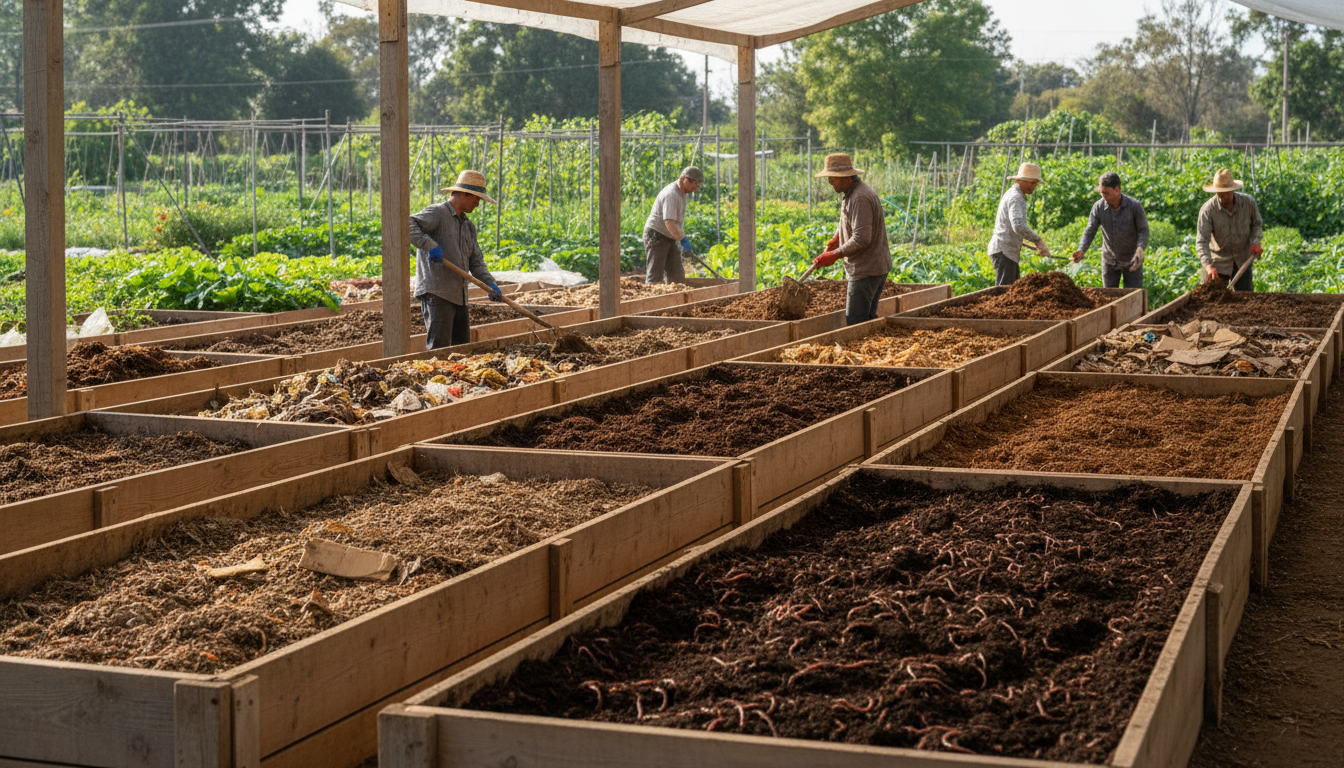
Composting is an excellent way to recycle organic waste and enrich your soil naturally. By turning kitchen scraps, yard waste, and other biodegradable materials into compost, you create a nutrient-rich amendment that enhances soil structure and fertility.
Start a compost bin in your backyard and regularly add materials like fruit peels, coffee grounds, grass clippings, and leaves. Remember to turn the pile occasionally to speed up the decomposition process.
Organic Pest Control
Instead of relying on chemical pesticides, consider organic pest control methods. Encourage natural predators like ladybugs and birds to keep pest populations in check. Planting pest-repelling herbs such as basil, mint, and lavender can also deter unwanted insects.
Using barriers like row covers and manually removing pests can further protect your plants without harming the environment. Remember, a balanced ecosystem naturally controls pests, so focus on maintaining that balance.
Mulching for Weed Control
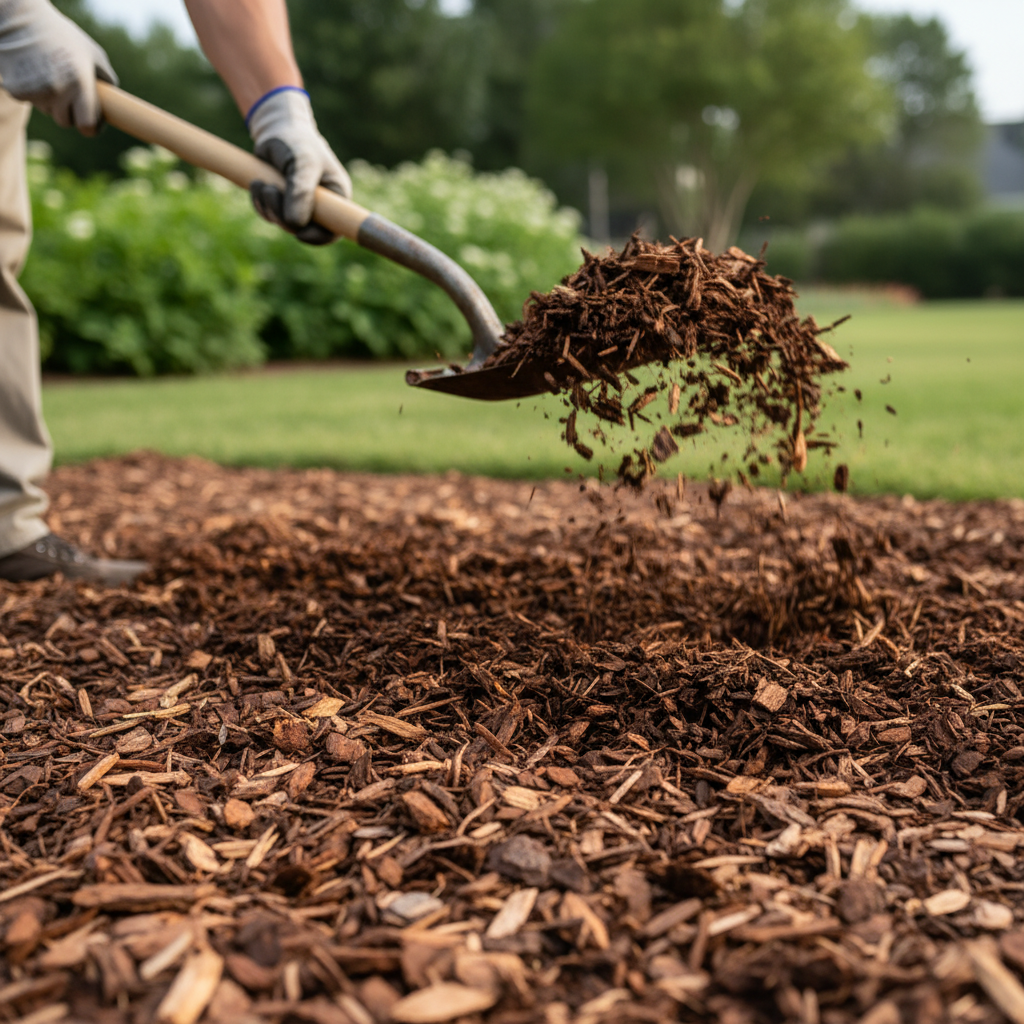
Mulching is an effective technique to suppress weeds and retain soil moisture. Applying a layer of organic mulch around your plants reduces the need for frequent watering and minimizes weed growth, allowing your garden to thrive.
Choose materials like straw, wood chips, or shredded leaves for mulching. As they decompose, they add valuable nutrients back into the soil, enhancing its quality over time.
Maintaining Eco-Friendly Equipment
Finally, consider using eco-friendly tools and equipment. Opt for electric or manual lawnmowers and trimmers to reduce emissions. Regularly maintain your equipment to ensure it operates efficiently, further minimizing environmental impact.
By making these changes, you can enjoy a beautiful, sustainable garden that benefits both your home and the planet. Implementing eco-friendly groundskeeping practices is a rewarding step towards a greener future.