
How to Achieve a Lush Lawn with Eco-Friendly Practices


Understanding Your Lawn's Needs
To achieve a lush lawn, it's essential to understand the specific needs of your grass type and soil. Different grass species have varying water, sunlight, and nutrient requirements. Conduct a soil test to determine its pH and nutrient levels, which will guide your fertilization strategy.
Choose grass species that are well-suited to your climate and soil conditions. This adaptation reduces the need for excessive watering and fertilization, promoting a more sustainable lawn care approach.

Water Wisely
Watering your lawn efficiently is crucial for eco-friendly care. Water deeply but infrequently to encourage deep root growth. Early morning is the best time to water as it minimizes evaporation and fungal diseases.
Install a rain sensor on your irrigation system to prevent watering during or after rainfall. This simple addition can significantly reduce water waste and keep your lawn healthy.
Adopt Natural Fertilizers
Using natural fertilizers is a key practice in maintaining a lush, eco-friendly lawn. Organic options, such as compost or well-rotted manure, enrich the soil with essential nutrients without harmful chemicals.
Compost tea, a liquid version of compost, can also be an effective and natural way to feed your lawn. Apply it during the growing season to boost grass health and vitality.

Mow Smart
Mowing your lawn correctly can have a big impact on its health. Set your mower blades to a higher setting to keep the grass slightly longer. This helps shade the soil, reducing evaporation and weed growth.
Leave grass clippings on the lawn as they decompose quickly and return valuable nutrients to the soil. This practice, known as grasscycling, can significantly reduce the need for additional fertilizers.
Control Weeds Naturally
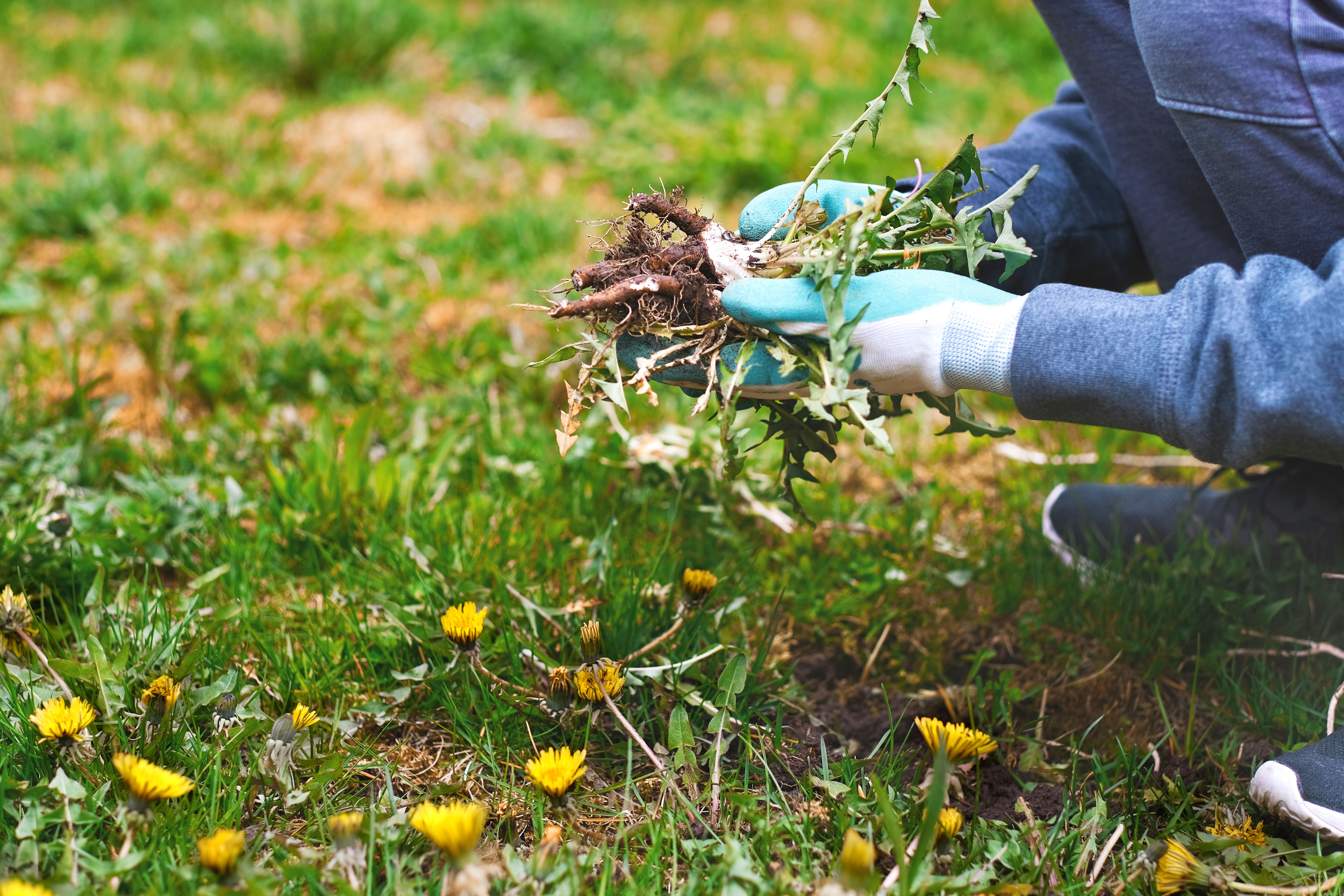
For eco-friendly weed control, focus on maintaining a dense, healthy lawn that naturally crowds out weeds. Hand-pulling is effective for small infestations, while corn gluten meal can prevent weed seeds from germinating.
Consider using vinegar or boiling water as spot treatments for stubborn weeds. These natural options are safer for the environment and your lawn.
Embrace Biodiversity
Introduce biodiversity by allowing some clover or other ground covers to coexist with your grass. Clover fixes nitrogen in the soil, reducing the need for additional fertilizers.
Encourage beneficial insects by planting native flowers around your lawn. These insects can help control pests naturally, promoting a balanced ecosystem.