
How Local Weather Impacts Groundskeeping in Dayton, VA


Understanding the Local Climate
Dayton, VA, is known for its unique weather patterns, which significantly impact groundskeeping efforts. The region experiences four distinct seasons, each bringing its own challenges and opportunities for maintaining beautiful landscapes. Whether you're managing a public park or a private garden, understanding the local climate is crucial for effective groundskeeping.
Spring in Dayton is characterized by mild temperatures and increased rainfall, which can promote rapid plant growth. However, this also means that groundskeepers must be prepared for frequent mowing and trimming. The abundant moisture can lead to lush, green lawns, but it can also encourage weed proliferation.

Summer Heat and Drought Concerns
As summer arrives, the temperatures in Dayton can soar, often leading to periods of drought. This presents a significant challenge for groundskeepers who must balance water conservation with the need to maintain healthy plant life. Implementing efficient irrigation systems is crucial during this time to ensure that plants receive adequate water without waste.
To manage these conditions effectively, groundskeepers might consider using drought-resistant plant species. These plants require less water and can thrive in the hot, dry climate, making them an excellent choice for sustainable landscaping.
Autumn Preparations
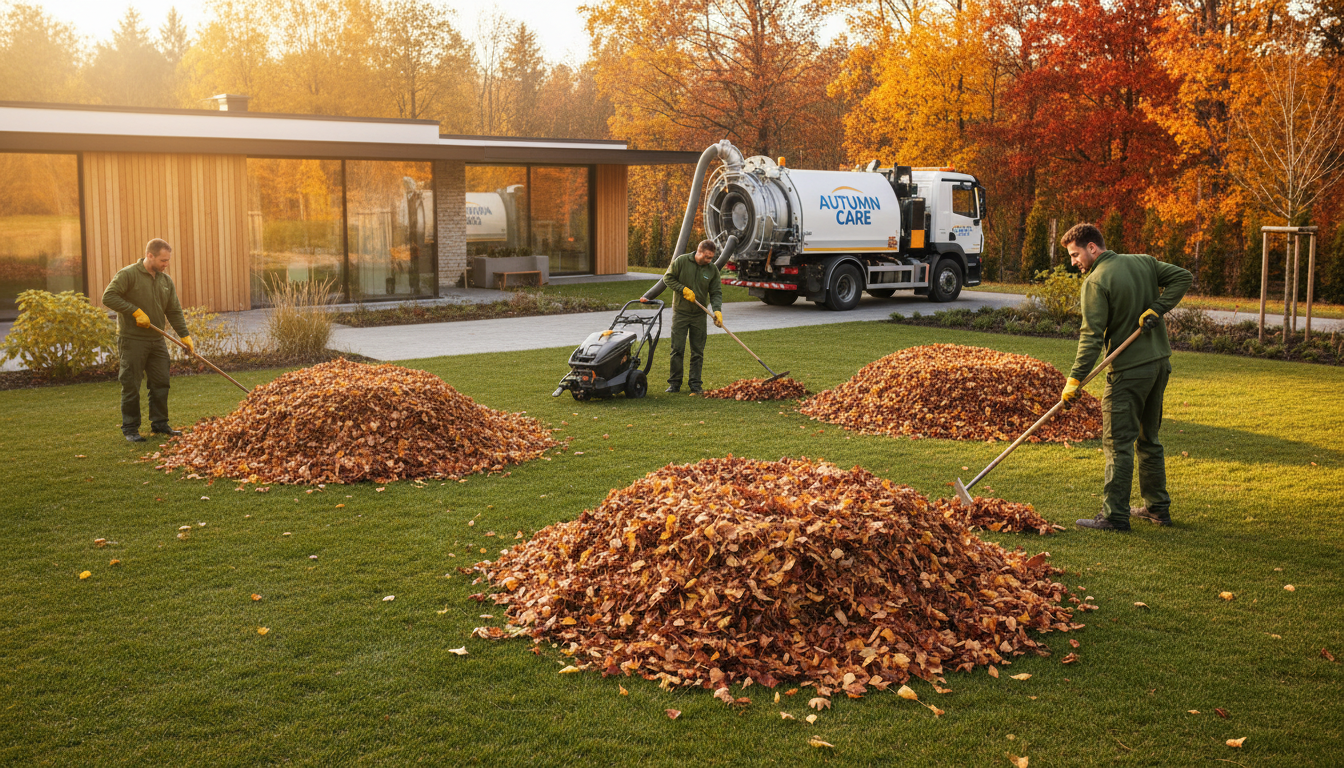
Autumn in Dayton is a time of transition. As temperatures cool and leaves begin to fall, groundskeepers must focus on cleanup and preparation for the colder months ahead. Leaf removal is essential to prevent smothering the grass and to reduce the risk of fungal diseases.
This is also an ideal time to aerate the soil and apply fertilizers, ensuring that the ground remains nutrient-rich for the coming spring. Proper preparation in the fall can lead to a healthier, more vibrant landscape when the warmer weather returns.
Winter Challenges
Winter in Dayton can be harsh, with freezing temperatures and occasional snowfall. These conditions require groundskeepers to adopt different strategies to protect their landscapes. Mulching is a common practice to insulate plant roots against the cold.
Snow removal is another critical task during winter. Ensuring pathways and driveways remain clear and safe is a priority, and using the right equipment can make this task more manageable. Additionally, applying salt or sand can prevent icy conditions, though care must be taken to avoid damaging the surrounding vegetation.
Conclusion
Understanding how local weather impacts groundskeeping in Dayton, VA, is essential for maintaining beautiful and healthy landscapes year-round. By adapting to each season's unique challenges, groundskeepers can ensure their efforts lead to thriving, resilient outdoor spaces.
Whether dealing with spring rains, summer droughts, or winter snows, success lies in preparation and adaptability. Embracing sustainable practices and investing in the right tools and techniques will make managing Dayton's diverse climate a rewarding experience.