
Expert Lawn Care Tips from a US Marine Corps Veteran


Introduction to Lawn Care
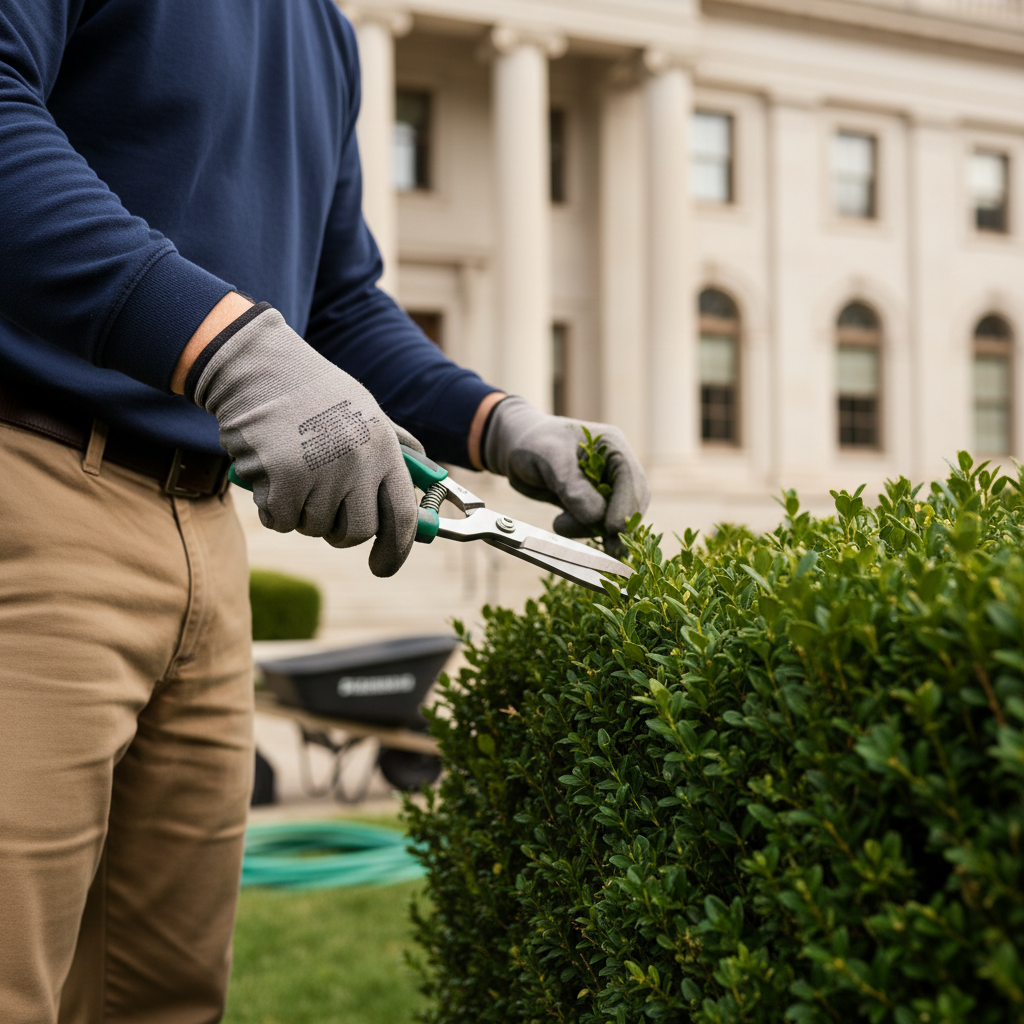
Maintaining a lush, green lawn is an art, and who better to teach us than a US Marine Corps veteran? With discipline and dedication, veterans have the skills to transform ordinary lawns into extraordinary landscapes. Whether you're a beginner or an experienced gardener, these expert lawn care tips will help you achieve the perfect lawn.
Understanding Your Lawn
Before diving into maintenance, it's crucial to understand your lawn's specific needs. Different grass types require different care routines. Knowing whether you have cool-season or warm-season grass will guide your watering, mowing, and fertilizing practices. Identifying your grass type is the first step toward tailored lawn care.
Soil Testing
Testing your soil is an essential part of understanding your lawn. A simple soil test will reveal the pH level and nutrient content, allowing you to make informed decisions about fertilization. Aim for a pH level between 6.0 and 7.0 for most grass types. Adjusting your soil based on these results can lead to significant improvements.

Lawn Maintenance Basics
Once you understand your lawn's needs, the next step is regular maintenance. Consistent care is key to a healthy lawn.
Mowing
Mowing might seem straightforward, but technique matters. Always keep your mower blades sharp and follow the one-third rule: never cut more than one-third of the grass height at a time. This prevents stress on the grass and encourages deeper root growth.
Watering
Proper watering is vital. Water deeply and infrequently to encourage deep root development. Early morning is the best time to water, reducing evaporation and fungal diseases. Aim for about 1 to 1.5 inches of water per week, including rainfall.

Advanced Lawn Care Tips
For those looking to take their lawn care to the next level, consider incorporating these advanced techniques.
Aeration
Aerating your lawn helps improve soil compaction and enhances root growth. This process involves removing small plugs of soil, allowing air, water, and nutrients to penetrate the roots more effectively. Aim to aerate once a year, preferably in the fall for cool-season grasses and spring for warm-season grasses.
Overseeding
Overseeding is the practice of planting grass seeds directly onto existing turf. This helps fill in bare spots and improves lawn density. Pair overseeding with aeration for the best results. Choose a grass seed that matches your existing lawn type for a seamless look.

Conclusion
Achieving a beautiful lawn requires patience, dedication, and the right techniques. By applying these expert tips from a US Marine Corps veteran, you can transform your outdoor space into a stunning landscape. Remember, a well-maintained lawn not only enhances your home's curb appeal but also provides a relaxing and enjoyable environment for you and your family.