
Effective Pest Control for Lawns: Protecting Your Green Space in Virginia


Understanding Lawn Pests in Virginia
Maintaining a lush, green lawn in Virginia can be a challenging task, especially when pests are a constant threat. From grubs to chinch bugs, these unwanted visitors can wreak havoc on your green space if not properly managed. Understanding the types of pests common in Virginia is the first step in effective pest control.
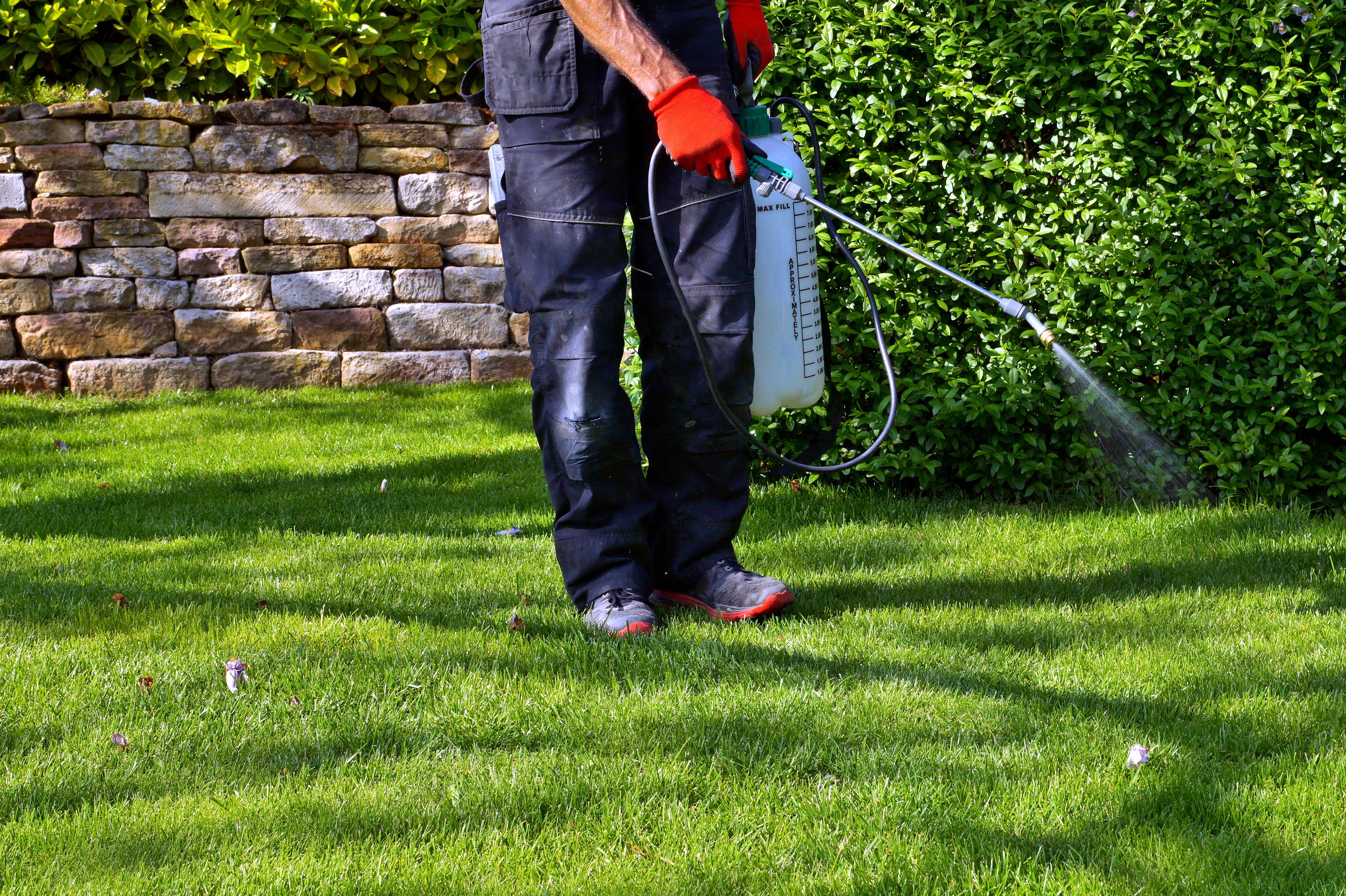
Grubs, for instance, are the larvae of beetles and can cause extensive damage by feeding on grass roots. Chinch bugs, on the other hand, suck the sap from grass blades, leading to yellow patches. Identifying these pests early can help in implementing targeted control measures.
Prevention Strategies
Prevention is always better than cure, and this holds true for lawn pest control. Implementing proactive measures can significantly reduce the chances of an infestation. Here are some effective prevention strategies:
- Regular Lawn Maintenance: Keep your lawn mowed, watered, and fertilized appropriately to strengthen grass and make it less susceptible to pests.
- Soil Aeration: Aerating the soil improves drainage and promotes healthy root growth, making it harder for pests to thrive.
- Natural Predators: Encourage birds and beneficial insects that feed on pests by providing a welcoming habitat.
Organic Pest Control Solutions
For those who prefer a more natural approach to pest control, organic solutions can be both effective and environmentally friendly. Options such as neem oil and diatomaceous earth can deter pests without harming the ecosystem.
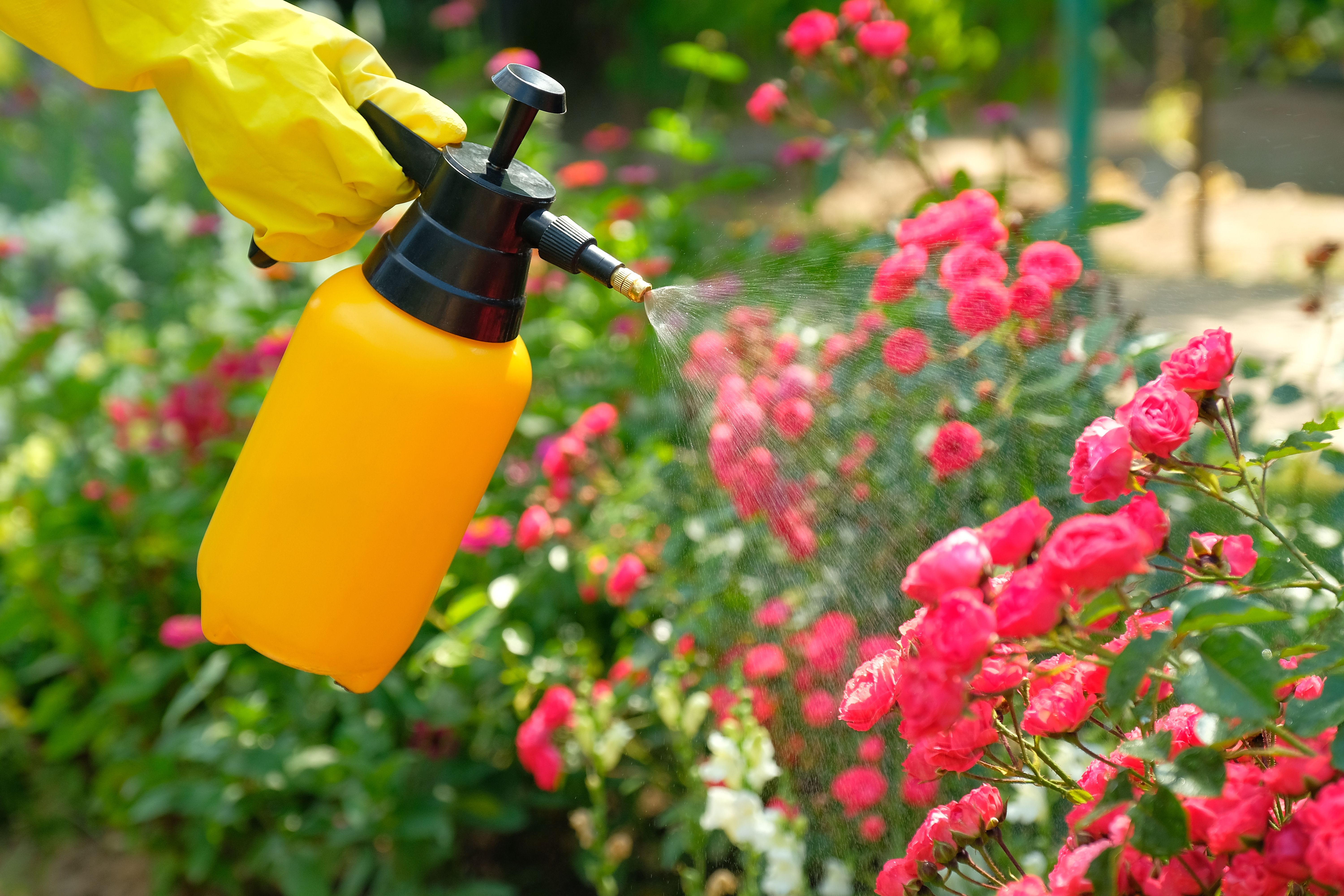
Neem oil, extracted from the seeds of the neem tree, acts as a natural pesticide against many lawn pests. Diatomaceous earth is a powder made from fossilized algae and can be sprinkled around the lawn to deter insects. These solutions are particularly appealing for families with pets and children.
Chemical Control Methods
In cases of severe infestations, chemical controls might be necessary. Selecting the right pesticide is crucial, and it's important to follow the manufacturer's instructions to minimize risks to humans and the environment.
Commonly used pesticides include insecticidal soaps and synthetic insecticides. While effective, these should be used sparingly and as a last resort. Always wear protective gear when handling chemicals and store them safely out of reach of children and pets.

Seasonal Considerations
The type and severity of pest infestations can vary with the seasons. For instance, grubs are more active in the spring and fall, while chinch bugs thrive in the hot, dry summer months. Being aware of these seasonal patterns can help in scheduling preventive treatments and monitoring efforts.
Regularly inspecting your lawn and staying informed about local pest alerts can also provide an advantage in managing pest populations effectively.
Professional Pest Control Services
When DIY methods aren't enough, hiring a professional pest control service may be the best option. Professionals can provide expert advice and tailored solutions that address the specific needs of your lawn.
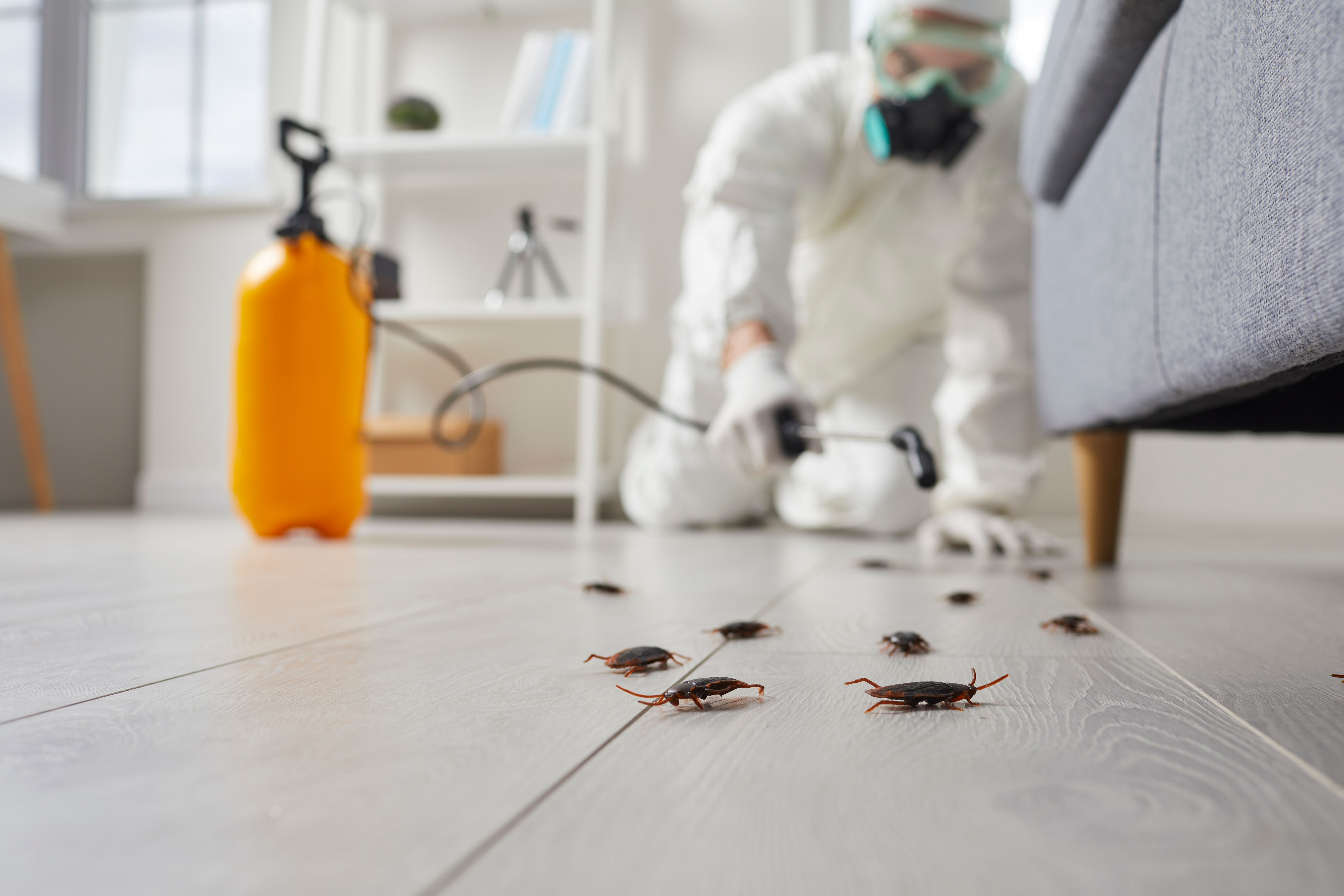
Look for companies that offer eco-friendly options and have a solid reputation. A professional service can provide peace of mind and ensure your lawn remains healthy and vibrant year-round.
By combining these strategies, you can protect your Virginia lawn from pests and enjoy a beautiful, thriving green space for years to come.