
Effective Pest Control for Lawns: Protecting Your Dayton Yard Naturally


Understanding the Importance of Natural Pest Control
Maintaining a lush, green lawn in Dayton can be challenging, especially when pests invade your outdoor haven. Traditional pest control methods often rely on harsh chemicals that can harm the environment, pets, and even your family. Fortunately, there are effective natural alternatives that can keep your yard healthy and pest-free.
By opting for natural pest control, you not only protect your lawn but also contribute to a healthier ecosystem. This approach encourages beneficial insects and microorganisms that naturally manage pest populations.
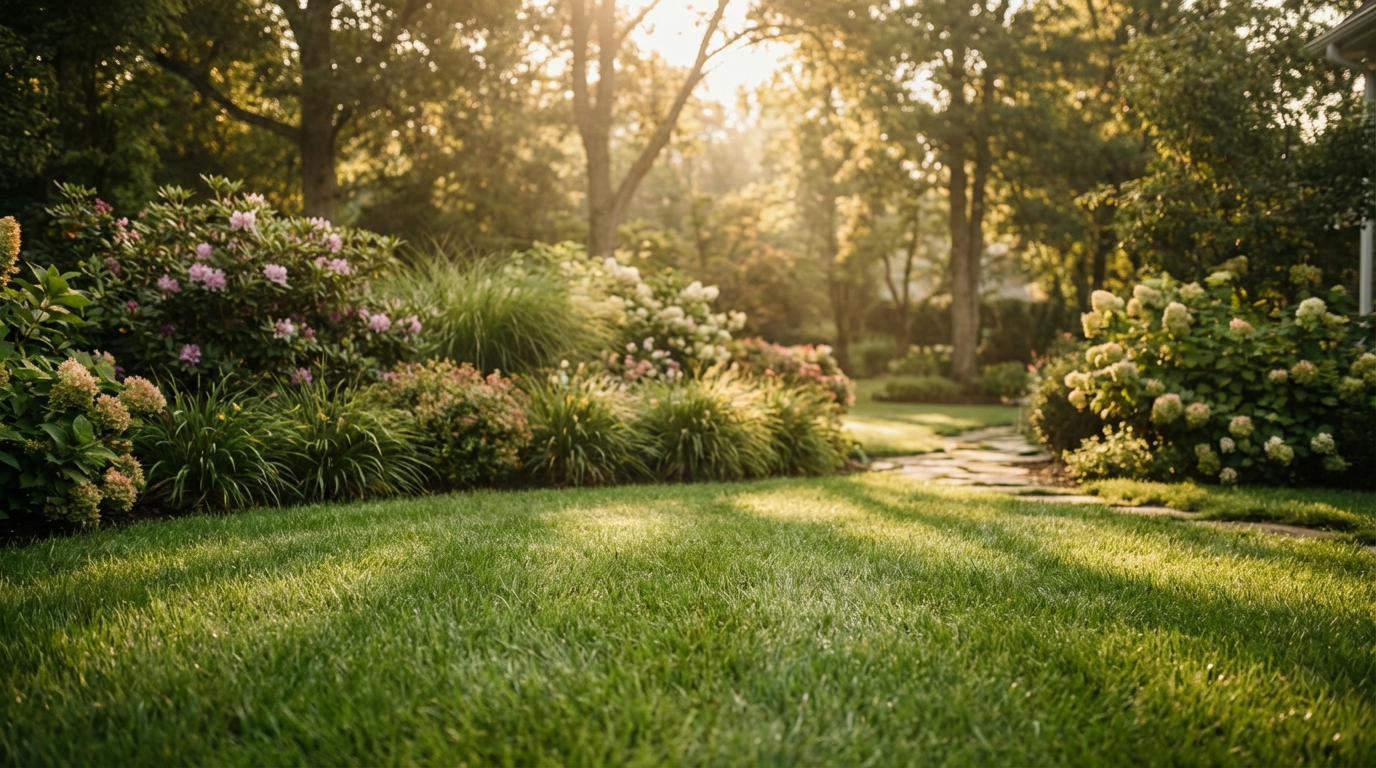
Identify Common Lawn Pests
Before implementing any pest control strategy, it's crucial to identify the common pests affecting Dayton lawns. Some of the most prevalent pests include:
- Grubs: These beetle larvae feed on grass roots, causing patches of dead grass.
- Chinch Bugs: These tiny insects suck the sap from grass blades, leading to yellow spots.
- Sod Webworms: The larvae of these moths chew on grass blades, creating brown patches.
Understanding which pests are invading your lawn will help you choose the most effective natural solutions.
Natural Pest Control Methods
There are several natural methods you can employ to manage lawn pests effectively. Here are some proven strategies:
- Beneficial Nematodes: These microscopic worms attack and kill soil-dwelling pests, like grubs, without harming beneficial insects.
- Diatomaceous Earth: This powdery substance dehydrates and kills soft-bodied insects. Sprinkle it around affected areas for best results.
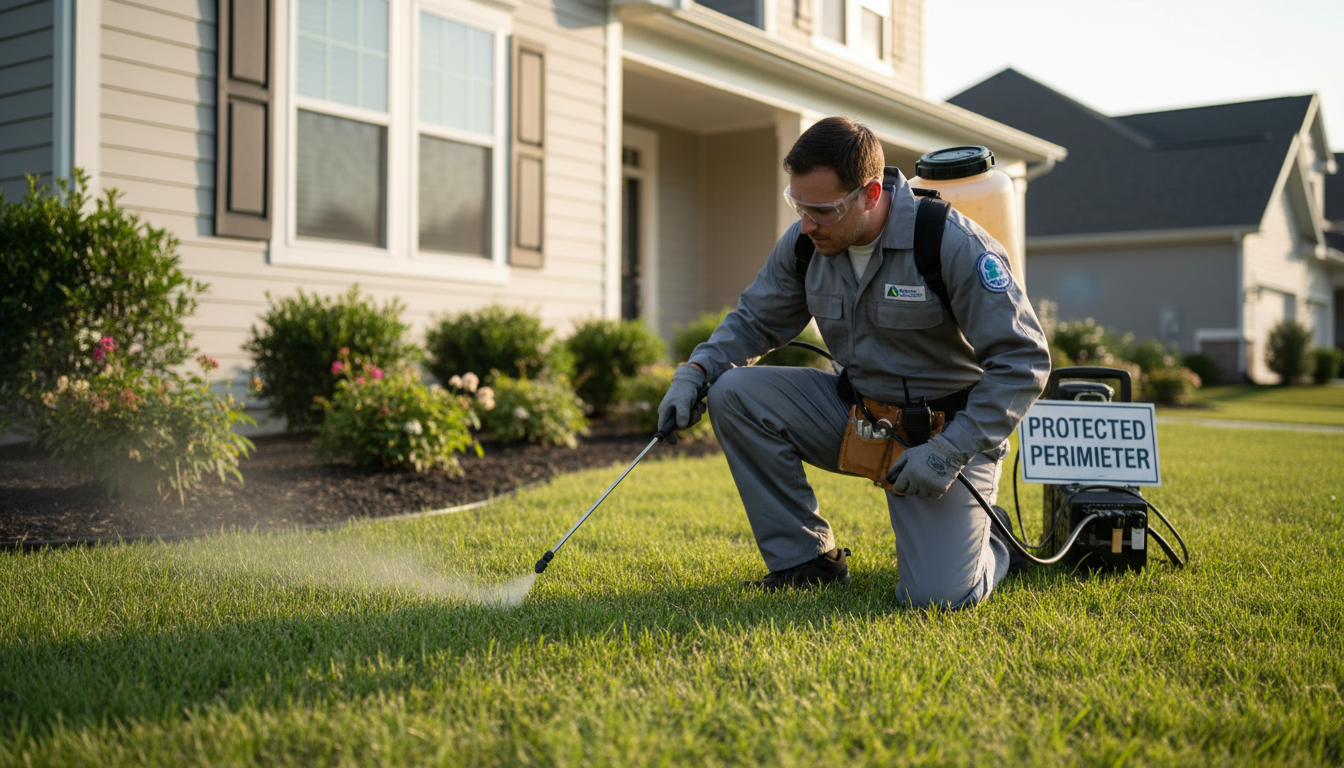
- Essential Oils: Oils such as neem or eucalyptus can repel pests. Mix with water and spray on your lawn.
Encourage Beneficial Insects
Another effective strategy is to attract beneficial insects that naturally control pest populations. Ladybugs, lacewings, and predatory beetles are excellent allies in maintaining a healthy lawn. Planting a variety of flowers and shrubs can create an inviting habitat for these helpful insects.
Additionally, avoid using broad-spectrum insecticides, as they can kill beneficial insects along with pests. Instead, focus on targeted treatments that preserve the natural ecosystem in your yard.
Regular Lawn Maintenance
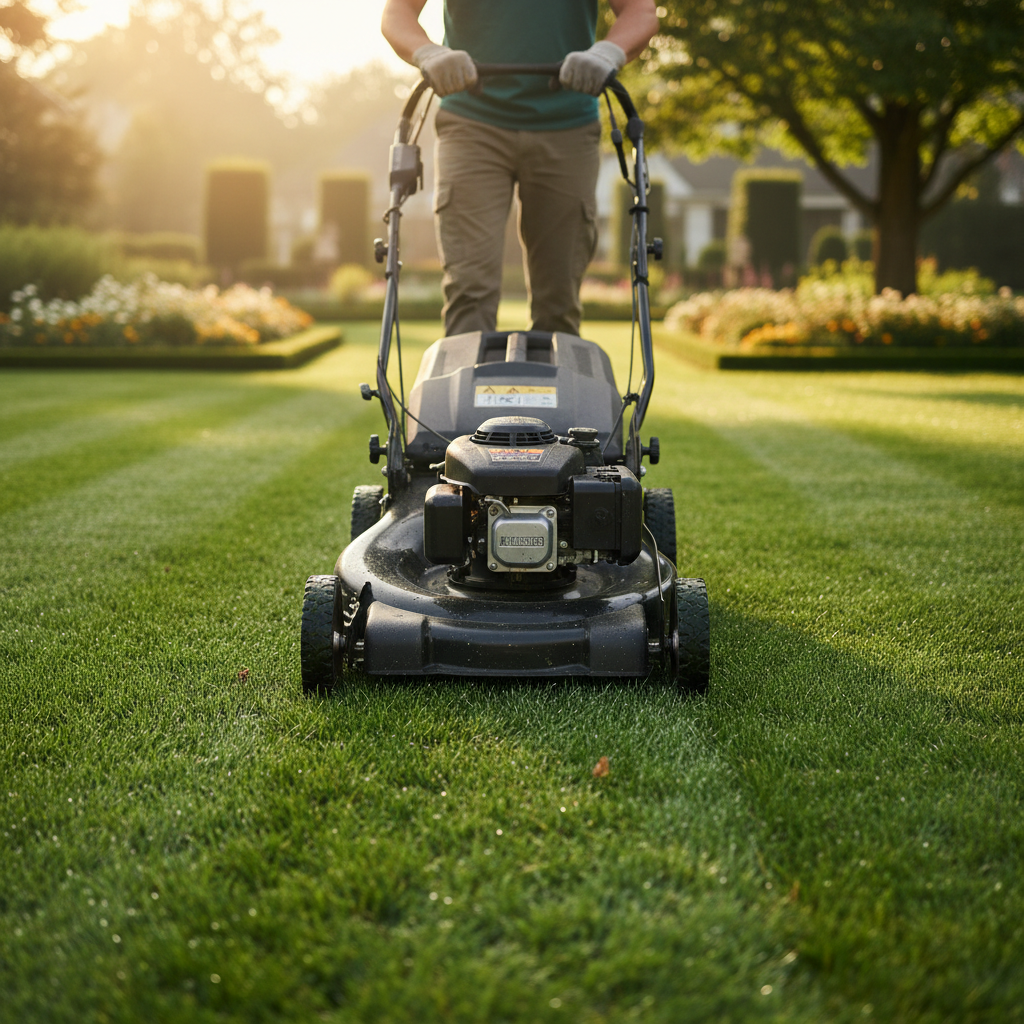
Consistent lawn care is essential in preventing pest infestations. Regular mowing, aeration, and watering can keep your grass healthy and resilient against pests. Ensure you're not overwatering, as excess moisture can attract pests.
Moreover, removing debris and thatch can minimize hiding spots for pests and help maintain better airflow and sunlight penetration, both of which are vital for healthy grass growth.
Monitor and Adjust
Natural pest control requires patience and ongoing monitoring. Regularly inspect your lawn for signs of pest activity and adjust your strategies as needed. If one method is not effective, consider combining multiple approaches for better results.
By staying vigilant and proactive, you can maintain a beautiful, pest-free lawn without resorting to harmful chemicals.
Conclusion
Protecting your Dayton yard naturally is not only beneficial for the environment but also promotes a healthier, more vibrant lawn. By understanding common pests and employing natural control methods, you can enjoy a lush landscape while supporting local wildlife and maintaining ecological balance.
Embrace these techniques to transform your lawn into a thriving, pest-resistant oasis, and enjoy the beauty of a naturally maintained yard.