
Effective Pest Control for Lawns: A Veteran's Approach


Introduction to Pest Control for Lawns
Maintaining a lush, green lawn is a source of pride for many homeowners, but achieving this can be a challenge when pests invade. A seasoned veteran in lawn care understands that effective pest control is both an art and a science. By using time-tested strategies and a proactive approach, you can keep your lawn healthy and thriving.

Understanding Common Lawn Pests
Identifying the pests that commonly affect lawns is the first step in effective pest management. Some of the most prevalent lawn pests include grubs, chinch bugs, and sod webworms. Each of these pests has unique characteristics and requires specific control methods.
Grubs
Grubs are the larvae of beetles and can cause significant damage to grass roots. Signs of a grub infestation include wilted grass and brown patches. It's crucial to identify and treat grub populations early to prevent extensive damage.
Chinch Bugs
Chinch bugs are tiny insects that suck the sap from grass blades, causing them to turn yellow and die. They thrive in sunny, dry areas, so monitoring these spots is essential for early detection.
Veteran Strategies for Pest Control
Veterans in lawn care employ a variety of strategies to keep pests at bay. These methods often combine natural and chemical approaches for maximum effectiveness.
Natural Pest Control
Using natural methods can reduce the need for chemical treatments. These include introducing beneficial insects like ladybugs and nematodes, which prey on harmful pests. Additionally, maintaining healthy soil and proper lawn care practices can create an environment that is less hospitable to pests.
- Introduce beneficial insects.
- Maintain healthy soil.
- Practice proper lawn care.
Chemical Treatments
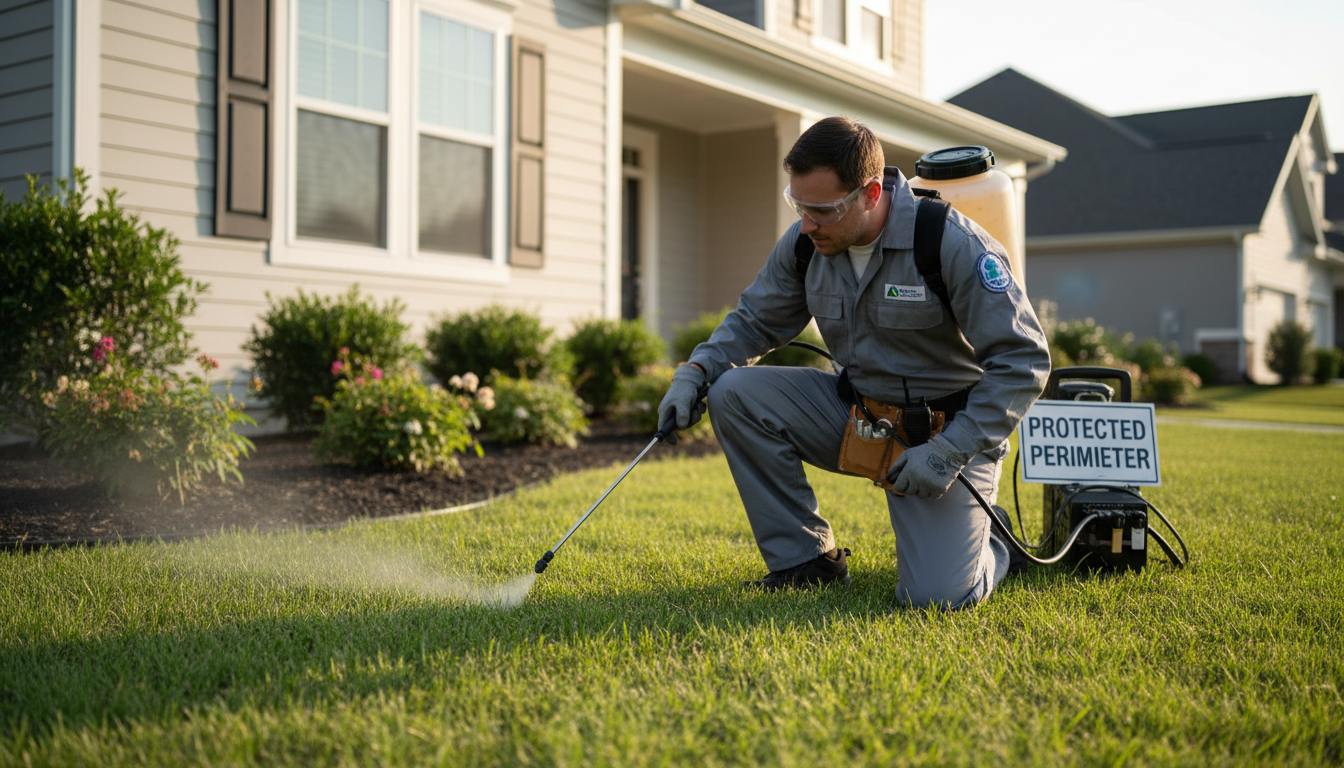
When natural methods aren't enough, chemical treatments can be effective. It's important to select the right pesticide for the specific pest and follow the manufacturer's instructions carefully to ensure safety and effectiveness.
Preventive Measures
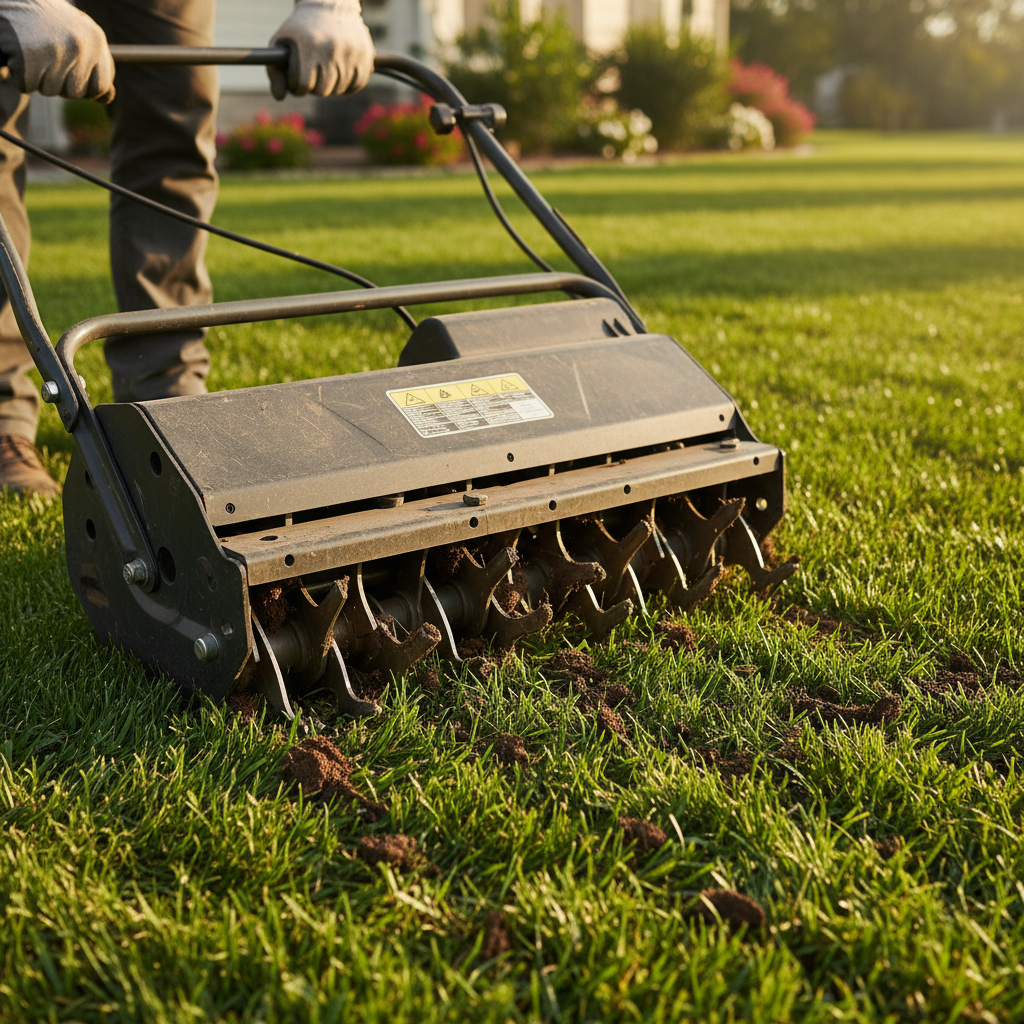
Prevention is the cornerstone of effective pest control. Regular lawn maintenance, such as proper watering, mowing, and aeration, can significantly reduce pest invasions. By keeping your lawn healthy, you create a robust defense against pests.
- Water deeply and infrequently.
- Mow at the recommended height.
- Aerate to improve soil health.
Conclusion
Effective pest control for lawns requires a balanced approach that combines knowledge, vigilance, and the right tools. By adopting a veteran's strategies, homeowners can ensure their lawns remain beautiful and pest-free throughout the seasons.