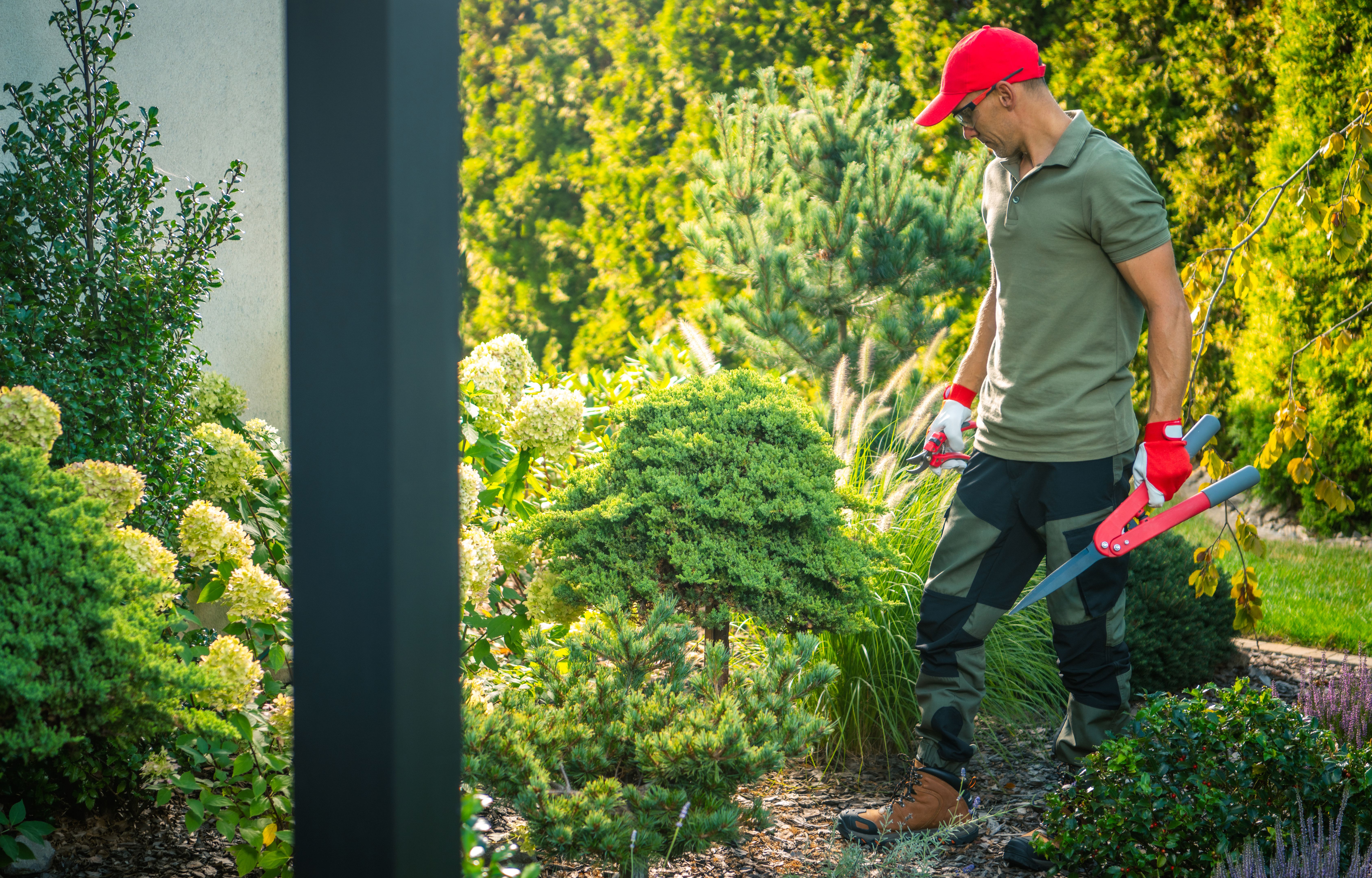
DIY Landscaping Tips from a U.S. Marine Corps Veteran


Transforming your outdoor space can be a rewarding experience, especially when you approach it with discipline and strategy. As a U.S. Marine Corps veteran, I've learned to apply the skills I gained in the military to landscaping. Here are some DIY tips to help you achieve a beautiful yard.
Plan Your Mission
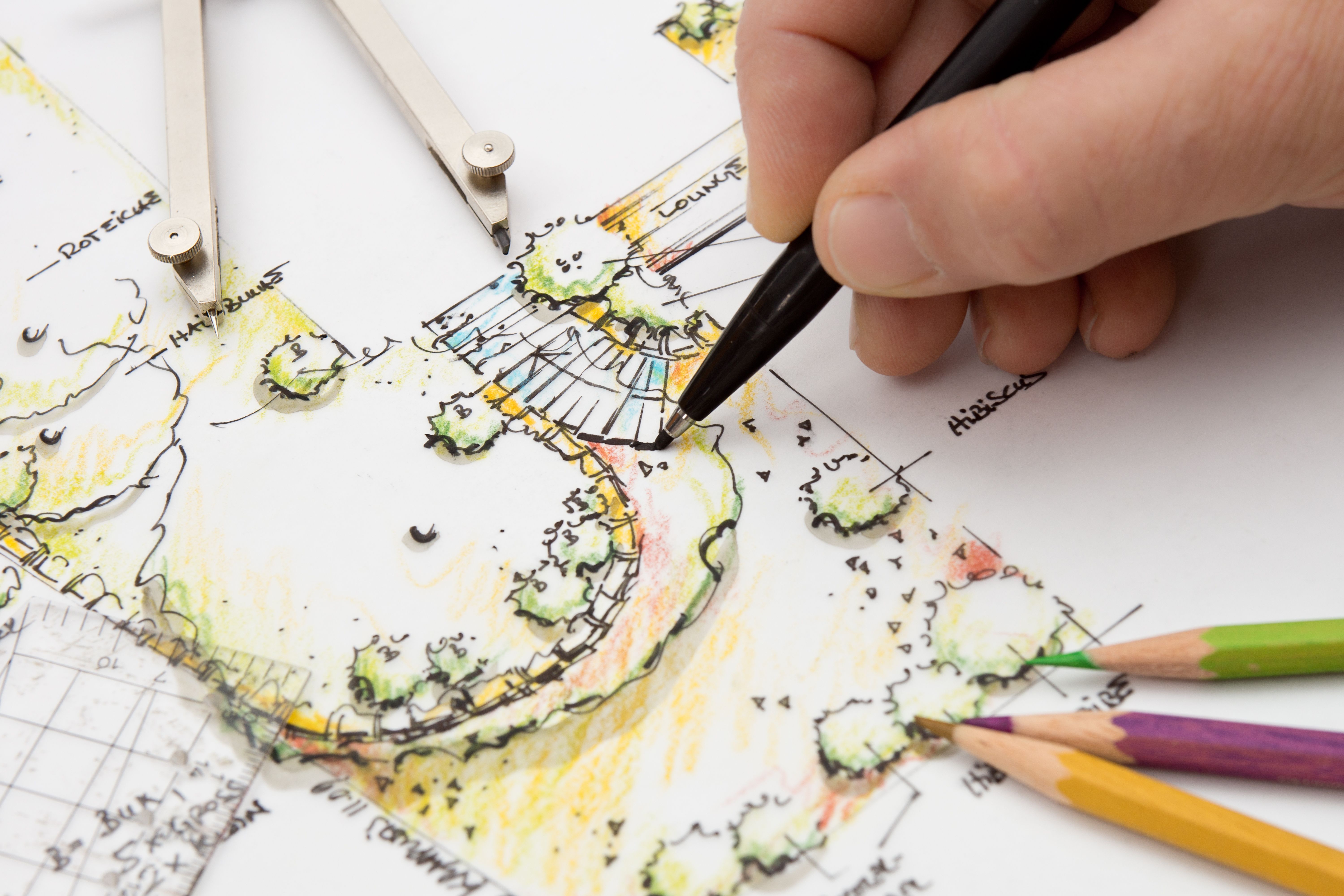
Every successful project starts with a solid plan. Assess your space and determine your goals. Do you want a garden, a patio, or perhaps a water feature? Sketch out your ideas on paper to visualize the end result. Consider factors such as sunlight, shade, and the types of plants that thrive in your climate.
Once you have a plan, create a timeline and budget. Break down the project into manageable tasks and set deadlines. This structured approach will help you stay organized and motivated.
Selecting the Right Tools
Just as the right equipment is essential in the field, proper tools are crucial for landscaping. Invest in quality tools such as pruners, shovels, and a wheelbarrow. These will make your work more efficient and enjoyable. Remember, taking care of your tools is as important as taking care of your plants.
Basic Tool List
- Pruners
- Shovels
- Wheelbarrow
- Rake
- Garden hose

Soil Preparation
Good landscaping starts with healthy soil. Test your soil to understand its pH level and nutrient content. Amend it with compost or other organic materials to improve its structure and fertility. This step is crucial for ensuring that your plants have the foundation they need to thrive.
If you're planting a lawn, consider aerating the soil. This process allows air, water, and nutrients to penetrate the roots more effectively, promoting healthy growth.

Plant Selection and Placement
Choosing the right plants is essential. Opt for native plants that are well-suited to your local climate and soil conditions. This not only enhances the beauty of your landscape but also reduces maintenance and water usage.
When placing plants, consider their mature size and growth habits. Give them enough space to grow without overcrowding. Group plants with similar water and sunlight needs together to make maintenance easier.
Creating Focal Points
Add interest to your landscape by creating focal points. This could be a statue, a unique plant, or a small water feature. These elements draw the eye and add personality to your space.

Maintenance and Adaptation
Like any mission, landscaping requires ongoing maintenance. Regularly prune plants, mow the lawn, and check for pests. Adapt your strategies as needed, based on what works and what doesn't. Landscaping is a dynamic process, and flexibility is key to success.
By applying these disciplined, strategic approaches, you can transform your outdoor space into a beautiful, functional area. Embrace the process, and enjoy the journey as much as the destination.