
DIY Irrigation System Maintenance: Tips from the Pros


Maintaining your DIY irrigation system is crucial to ensure your garden stays lush and healthy. With a few simple tips from the pros, you can keep your system running efficiently and extend its lifespan. The key is regular maintenance and addressing issues as they arise.
Understanding Your System
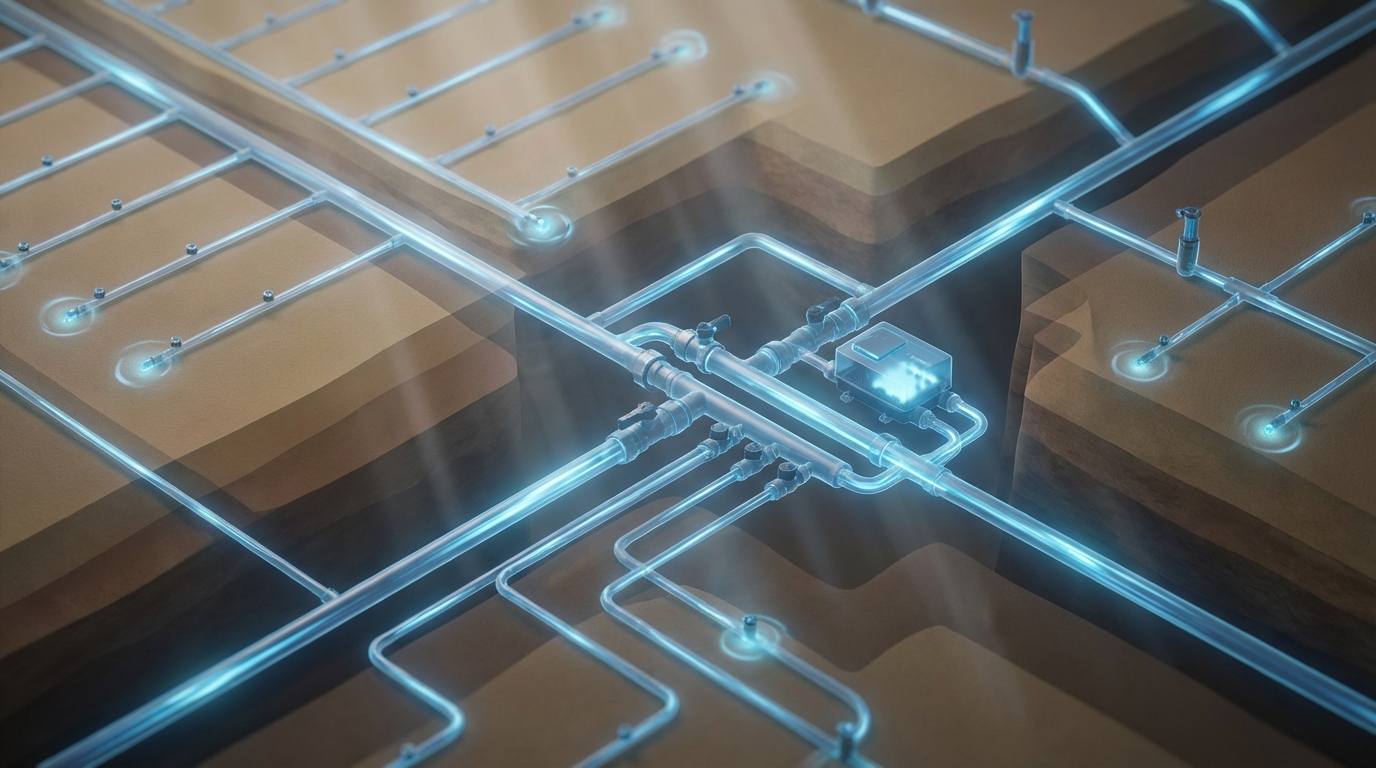
Before diving into maintenance, it's essential to understand the components of your irrigation system. Most systems consist of pipes, valves, emitters, and a controller. Knowing how these parts work together will help you troubleshoot problems more effectively.
Take time to familiarize yourself with the system's layout. Make a diagram if necessary, highlighting key components and areas of concern. This will aid in efficient repairs and adjustments.
Regular Inspections
Conducting regular inspections is a proactive way to catch problems early. Look for leaks, clogs, and any signs of wear and tear. Inspect the sprinkler heads and emitters to ensure they are unobstructed and functioning correctly.
Check the system's pressure and flow rates. A significant drop could indicate a leak or blockage. Routine checks can prevent small issues from becoming major problems.
Seasonal Adjustments
As seasons change, so do your garden's watering needs. Adjust your system's settings accordingly. During cooler months, you may need less water, while hotter periods might require increased irrigation.

Cleaning and Flushing
Over time, dirt and debris can accumulate in your irrigation system, leading to blockages. Regular cleaning and flushing of the system will prevent this. Remove and clean filters, and run water through the lines to clear any sediment.
For drip systems, soak emitters in a vinegar solution to dissolve mineral build-up. This simple maintenance step can significantly improve water flow and distribution.
Repairing Leaks and Replacing Parts
Leaks are common in irrigation systems and can waste water if not addressed promptly. Inspect joints and connections for any signs of leakage. Use waterproof tape or sealant to fix minor leaks, or replace faulty parts if necessary.
Program Your Controller
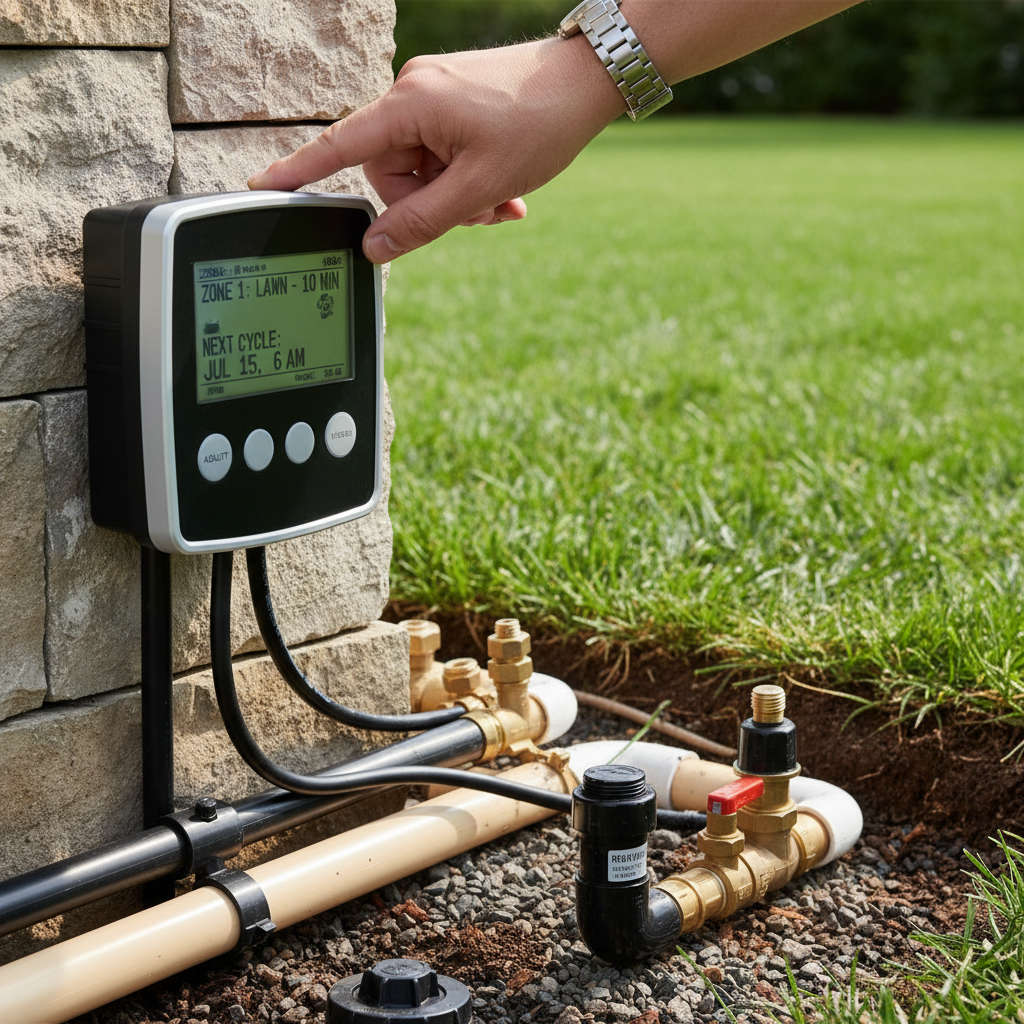
Your irrigation controller is the brain of the system. Ensure it is programmed correctly to meet your garden's needs. Set watering schedules based on plant types, soil conditions, and climate.
Many modern controllers offer smart features, such as weather-based adjustments. Consider upgrading if your current model lacks these capabilities, as they can improve efficiency.
Winterizing Your System
In colder regions, winterizing your irrigation system is essential to prevent damage from freezing temperatures. Drain all water from the system and insulate exposed pipes. Consider using compressed air to blow out any remaining water in the lines.
Maintaining your DIY irrigation system doesn't have to be daunting. With these tips from the pros, you can keep your garden thriving year-round while conserving water and extending the life of your system. Regular inspections, cleaning, and adjustments will ensure your system operates at peak performance.