
DIY Eco-Friendly Landscaping Tips for Dayton Homeowners


Embrace Native Plants
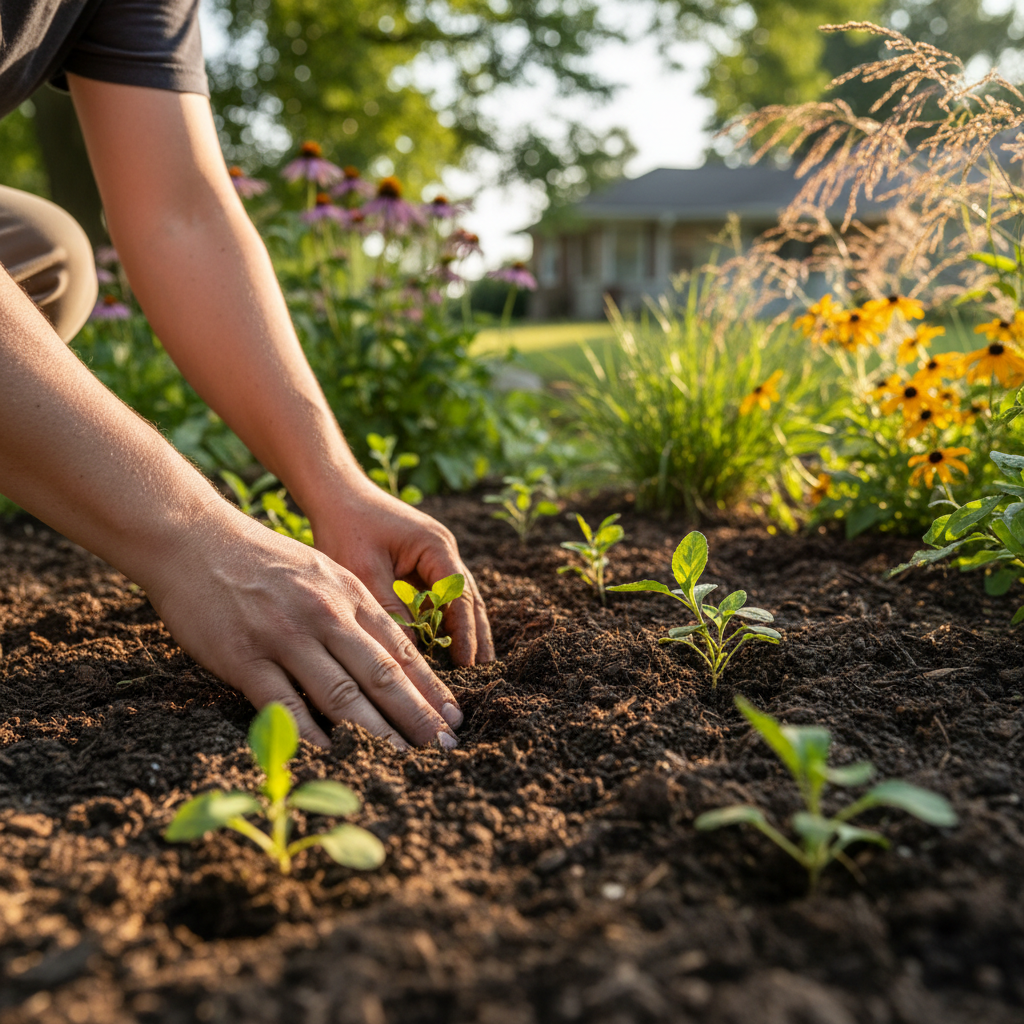
One of the most effective ways to create an eco-friendly landscape is by incorporating native plants. These plants are adapted to the local climate and soil conditions, making them more resilient to pests and diseases. By choosing native species, you reduce the need for chemical fertilizers and pesticides, which are harmful to the environment.
Benefits of Native Plants
Native plants require less water and maintenance, saving you time and resources. They also provide habitat and food for local wildlife, promoting biodiversity in your backyard. Consider plants like coneflowers, black-eyed Susans, and wild columbine to add color and life to your landscape.
Implement Water Conservation Techniques
Water conservation is crucial in sustainable landscaping. One effective method is setting up a rainwater harvesting system. Collect rainwater in barrels and use it to water your garden during dry spells. Additionally, consider installing a drip irrigation system that delivers water directly to the roots, minimizing evaporation and runoff.

Mulching for Moisture Retention
Applying mulch around your plants is another excellent way to conserve water. Mulch helps retain soil moisture, reduces weed growth, and adds nutrients to the soil as it breaks down. Use organic mulches like wood chips, straw, or compost for the best results.
Create a Pollinator-Friendly Habitat
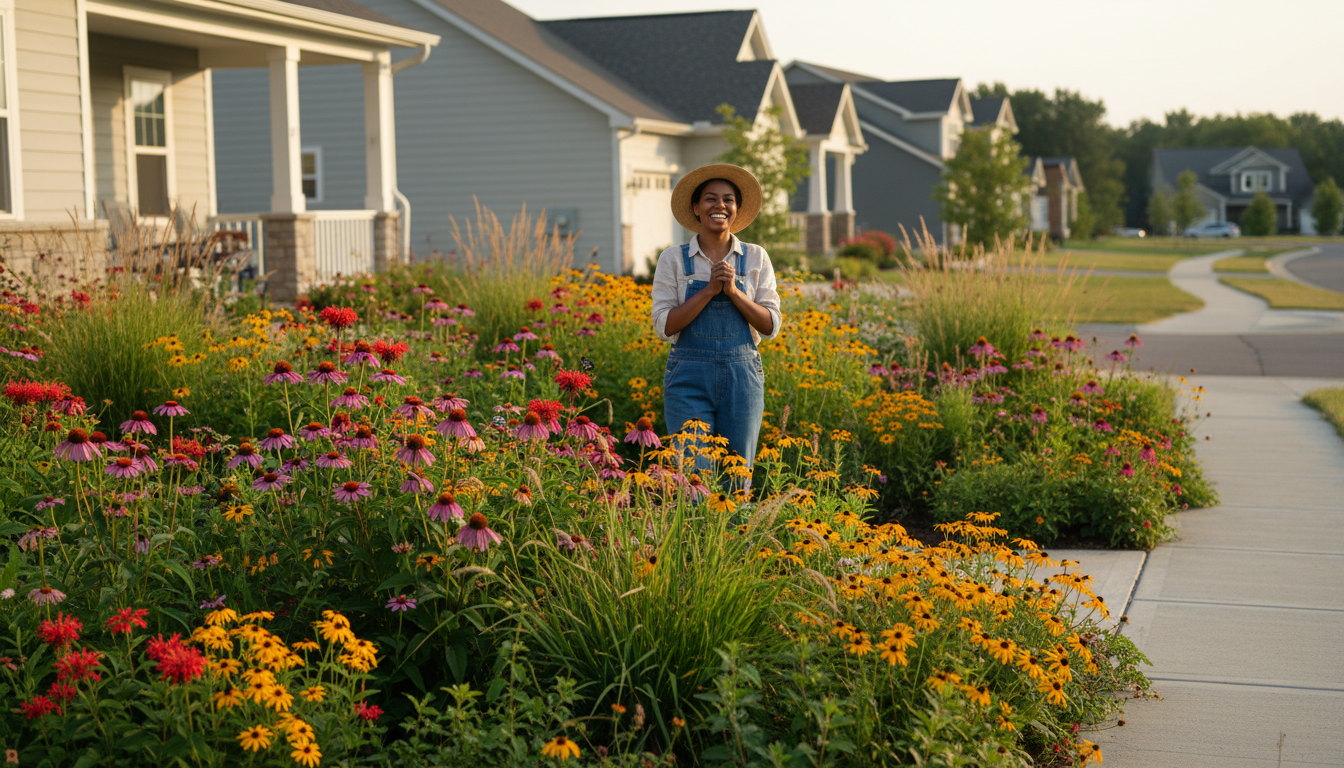
Pollinators like bees, butterflies, and birds are essential for a thriving ecosystem. To attract these beneficial creatures, incorporate plants that provide nectar and pollen throughout the seasons. Milkweed, bee balm, and lavender are excellent choices that will make your garden a haven for pollinators.
Building a Bee Hotel
Enhance your eco-friendly landscape by building a bee hotel. These structures offer solitary bees a place to nest and are simple to make using natural materials like bamboo or wood. Not only do they support bee populations, but they also contribute to the overall health of your garden.
Adopt Sustainable Lawn Practices
Traditional lawns require significant water, fertilizers, and maintenance. Consider replacing sections of your lawn with ground covers such as clover or creeping thyme, which are more sustainable and low-maintenance. If maintaining a lawn, opt for natural fertilizers and limit mowing to encourage deep root growth.
Composting for Healthy Soil
Start composting kitchen scraps and yard waste to enrich your soil naturally. Composting reduces landfill waste and provides a nutrient-rich amendment for your garden. Use a simple bin or pile, and turn it regularly to speed up decomposition.
- Use native plants to reduce maintenance.
- Implement water-saving techniques.
- Create habitats for pollinators.
- Adopt sustainable lawn practices.
- Start a composting system for healthy soil.