
Common Lawn Pests in Virginia and How to Control Them Effectively


Introduction to Lawn Pests in Virginia
Maintaining a lush, green lawn in Virginia can be a rewarding experience, but it often comes with the challenge of dealing with common lawn pests. These pests can damage grass, create unsightly patches, and even destroy the entire lawn if not controlled effectively. Understanding these pests and learning how to manage them is crucial for any homeowner or gardener.
Identifying Common Lawn Pests
Several types of pests can infest lawns in Virginia. Some of the most common include:
- Grubs: These are the larvae of beetles and can cause significant damage by eating grass roots.
- Chinch Bugs: These pests suck the sap from grass blades, leading to brown patches.
- Armyworms: Known for their rapid consumption of grass, they can quickly decimate a lawn.
Identifying these pests early is essential to prevent extensive damage.
Effective Control Methods
Once you've identified the pests, controlling them effectively is the next step. Here are some strategies:
- Grubs: Use beneficial nematodes or apply insecticides specifically designed for grub control.
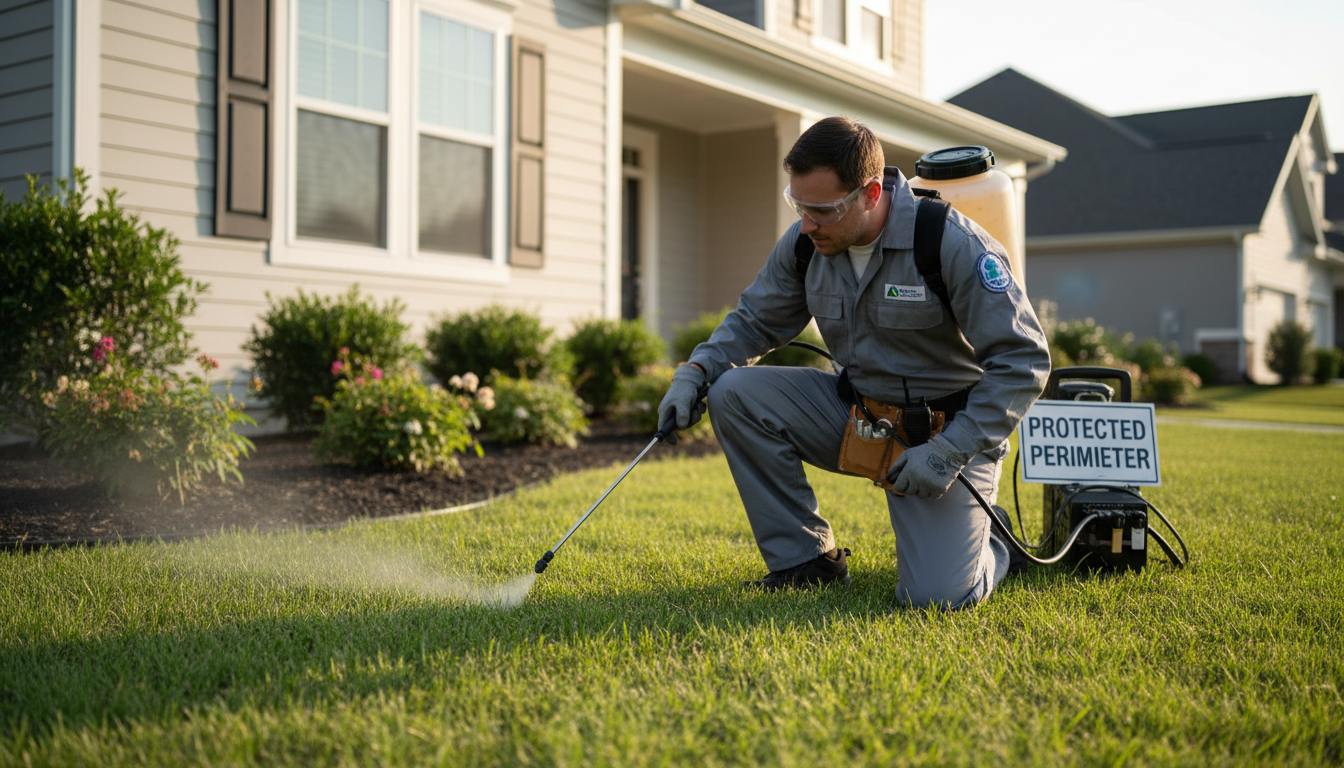
- Chinch Bugs: Regular watering can help, as they thrive in dry conditions. Insecticides may also be necessary for severe infestations.
- Armyworms: Apply Bacillus thuringiensis (Bt) or other targeted insecticides to manage these pests.

Natural and Organic Control Options
For those who prefer organic methods, several options can help control lawn pests without chemicals:
- Neem Oil: Effective against a variety of pests, neem oil is a natural insecticide.
- Diatomaceous Earth: This powdery substance can be sprinkled on the lawn to deter soft-bodied insects.
- Encourage Beneficial Insects: Ladybugs and other beneficial insects can help keep pest populations in check.
These methods provide an eco-friendly approach to lawn care.
Preventing Future Infestations
Prevention is always better than cure. To keep your lawn pest-free, consider these preventive measures:
- Regular Maintenance: Mow, water, and fertilize your lawn regularly to keep it healthy and less susceptible to pests.
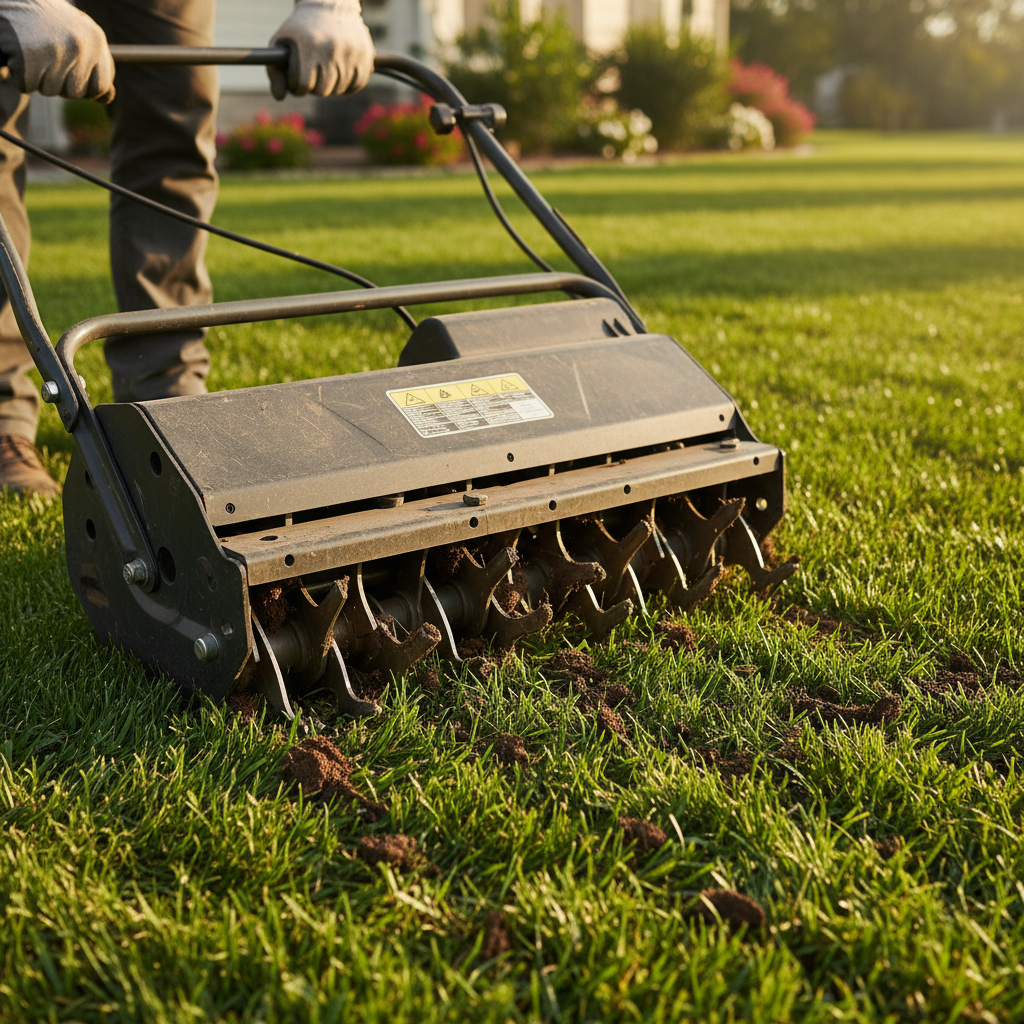
- Aeration: Aerating the lawn helps improve root health and deter pests.
- Proper Drainage: Ensure your lawn has good drainage to prevent pest-friendly environments.
Consistent care will minimize the risk of future infestations.
Conclusion
Dealing with lawn pests in Virginia doesn’t have to be a daunting task. By identifying common pests, employing effective control methods, and taking preventive measures, you can maintain a healthy and beautiful lawn. Whether you opt for chemical treatments or prefer natural solutions, the key is to act promptly and consistently. With the right approach, your lawn can thrive all year round.