
Common Landscaping Myths Debunked by Groundskeeping Experts


Watering Myths
One of the most common myths in landscaping is that more water means healthier plants. However, overwatering can be just as detrimental as underwatering. Properly assessing your plants' needs is crucial to maintaining a healthy landscape. Most plants thrive with a deep watering once or twice a week, rather than daily shallow watering.
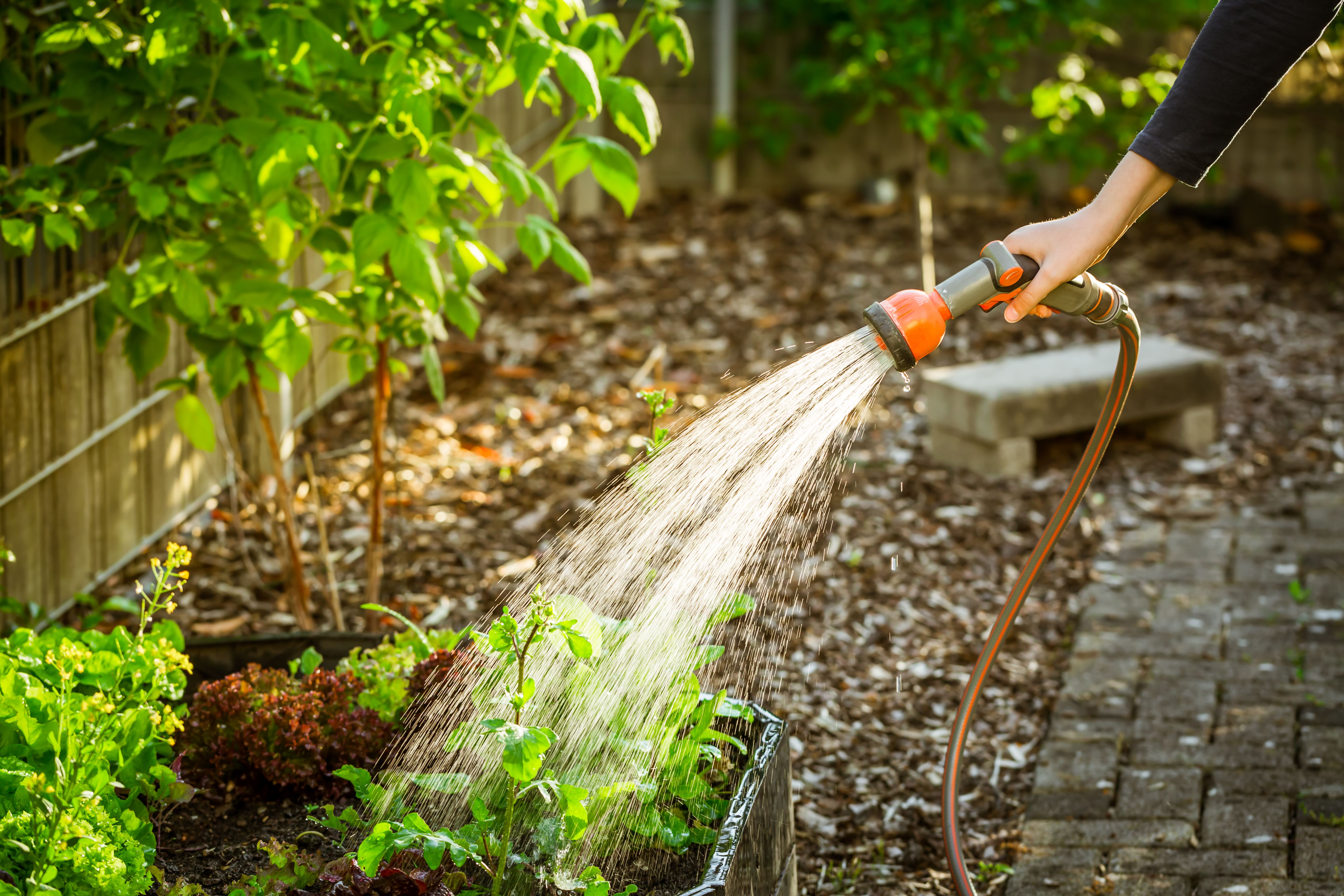
Another misconception is that watering in the midday sun causes plants to burn. While it's true that watering during the hottest part of the day isn't efficient due to evaporation, it won't scorch your plants. The best times to water are early morning or late afternoon when temperatures are cooler.
Planting Myths
Many believe that planting trees and shrubs deeper ensures better growth. This is incorrect. Planting too deep can suffocate the roots and lead to poor growth or even plant death. Always plant at the depth that matches their root ball to ensure healthy root development.

Another myth is that you must amend the soil with lots of fertilizer for plants to thrive. While some plants may need a nutrient boost, many native species are adapted to local soil conditions. Over-fertilizing can harm plants and disrupt the local ecosystem.
Lawn Care Myths
A common lawn care myth is that cutting grass shorter means you can mow less often. In reality, mowing too short can stress your grass, making it more susceptible to pests and disease. It's best to keep your grass at a moderate height to promote a healthy lawn.

There’s also a belief that leaving grass clippings on your lawn causes thatch buildup. In truth, grass clippings decompose quickly and can provide valuable nutrients to your lawn, reducing the need for additional fertilizers.
Pest Control Myths
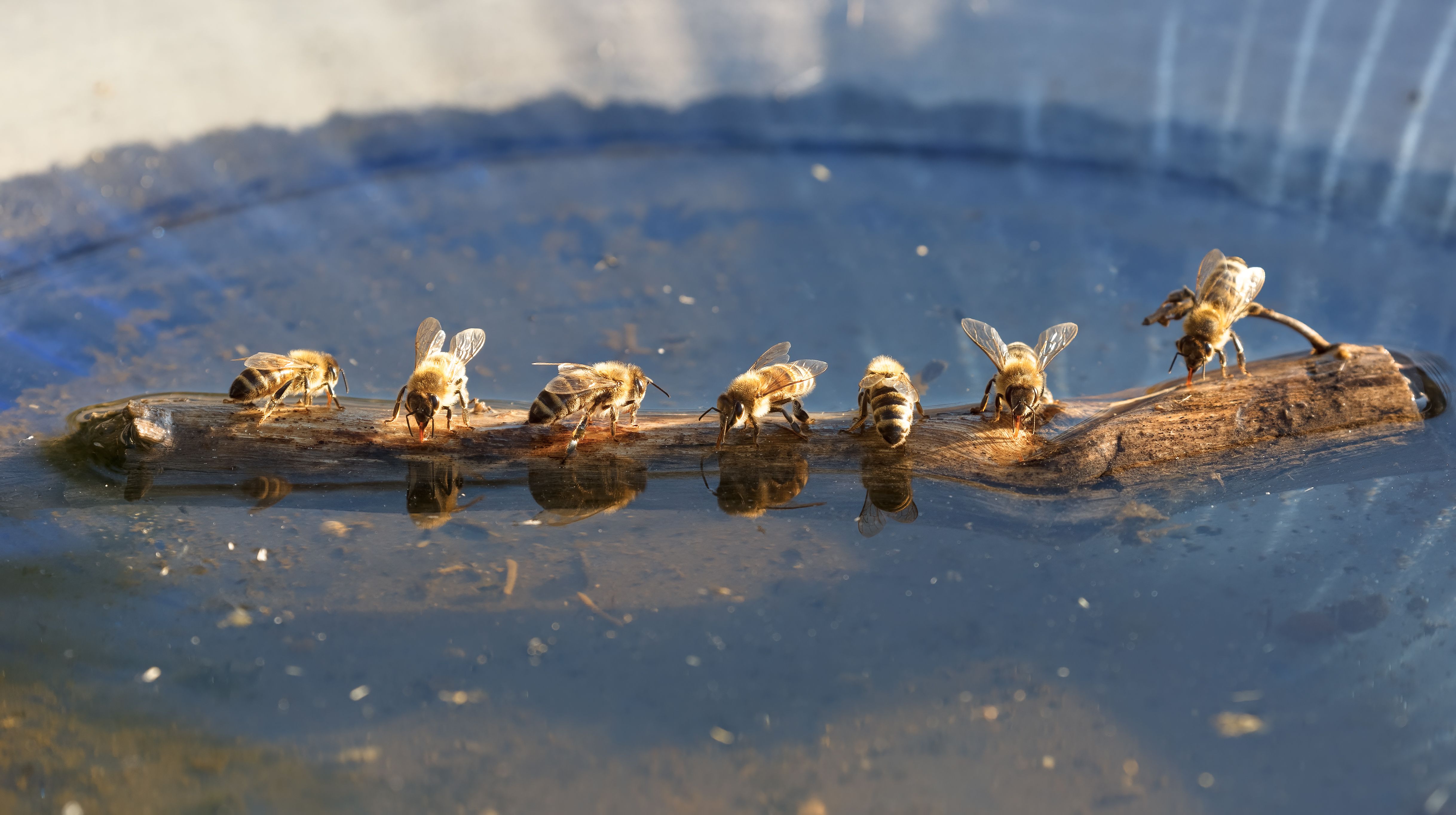
Some people think that all insects are harmful to gardens, but many insects are beneficial. Ladybugs, for instance, help control aphid populations. Not all bugs need to be eradicated; understanding which insects are helpful can lead to better pest management practices.
Another myth is that chemical pesticides are the only effective way to control pests. Integrated pest management, which includes natural predators and organic solutions, can be just as effective without harming the environment.
Conclusion
Understanding common landscaping myths and the facts behind them can lead to healthier, more sustainable gardens and landscapes. By following expert advice and staying informed, you can make better decisions for your outdoor spaces.