
Common Groundskeeping Myths Debunked by Industry Experts


Understanding Groundskeeping Myths
Groundskeeping is an essential part of maintaining beautiful and functional outdoor spaces, but it's often clouded by misconceptions. These myths can lead to ineffective practices, wasted resources, and frustration. Here, we debunk some common groundskeeping myths, with insights from industry experts.
Myth 1: Watering Daily is Essential
One of the most pervasive myths is that lawns and gardens need to be watered daily. Experts argue that this is not only unnecessary but can also be harmful. Frequent watering encourages shallow root growth, leaving plants vulnerable to drought.
Instead, it's recommended to water deeply but less frequently. This encourages roots to grow deeper, making plants more resilient. Focus on watering early in the morning or late in the afternoon to minimize evaporation.
Myth 2: Grass Clippings Cause Thatch
Many believe that leaving grass clippings on the lawn will lead to thatch buildup, but this is a misunderstanding. Thatch is primarily composed of roots and stems, not clippings. In fact, grass clippings can be beneficial, returning nutrients to the soil as they decompose.
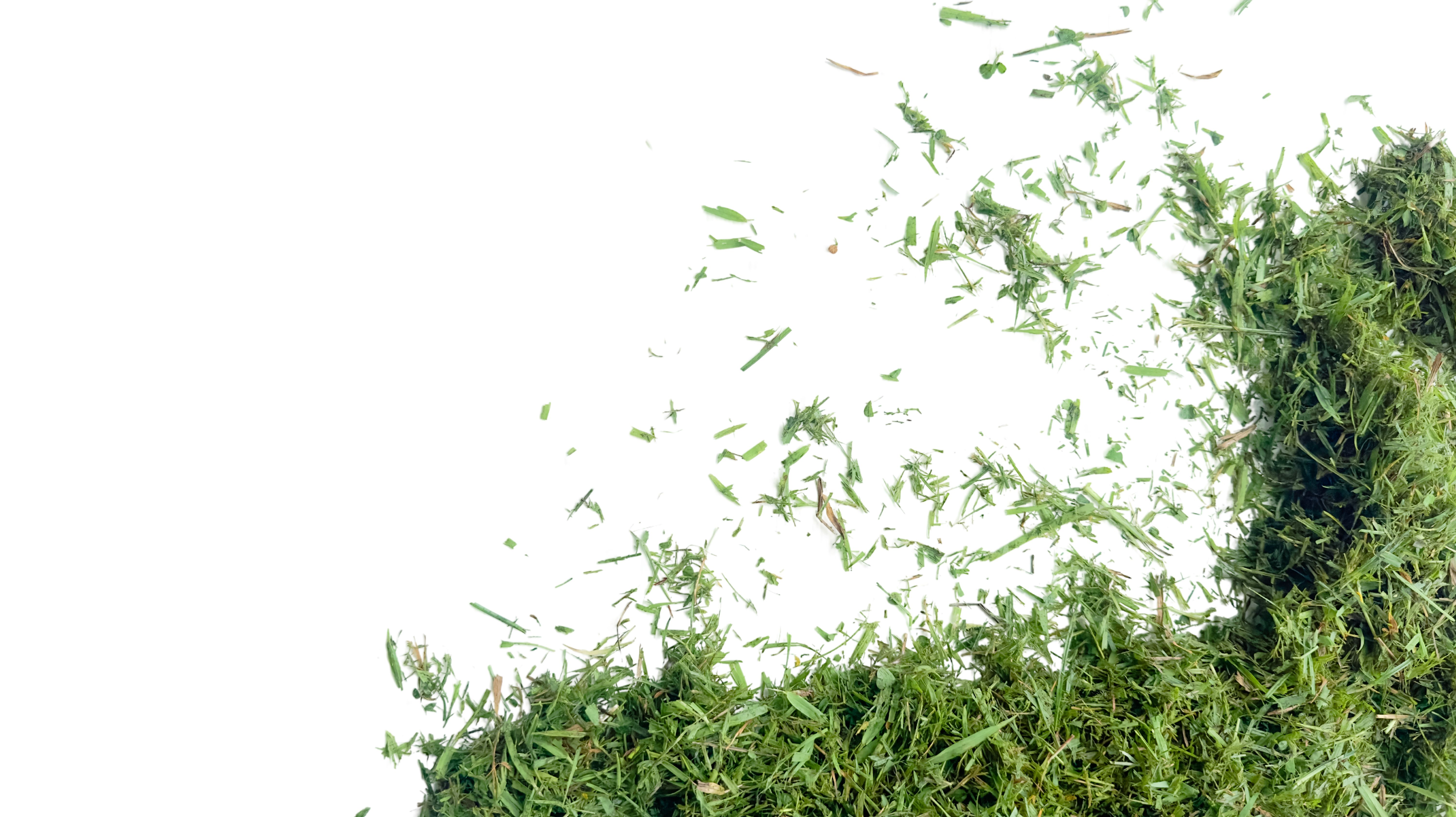
Mulching mowers are particularly effective in reducing thatch and enhancing soil health. Consider using one to maintain a lush, healthy lawn without unnecessary labor.
Myth 3: All Weeds Must Be Removed
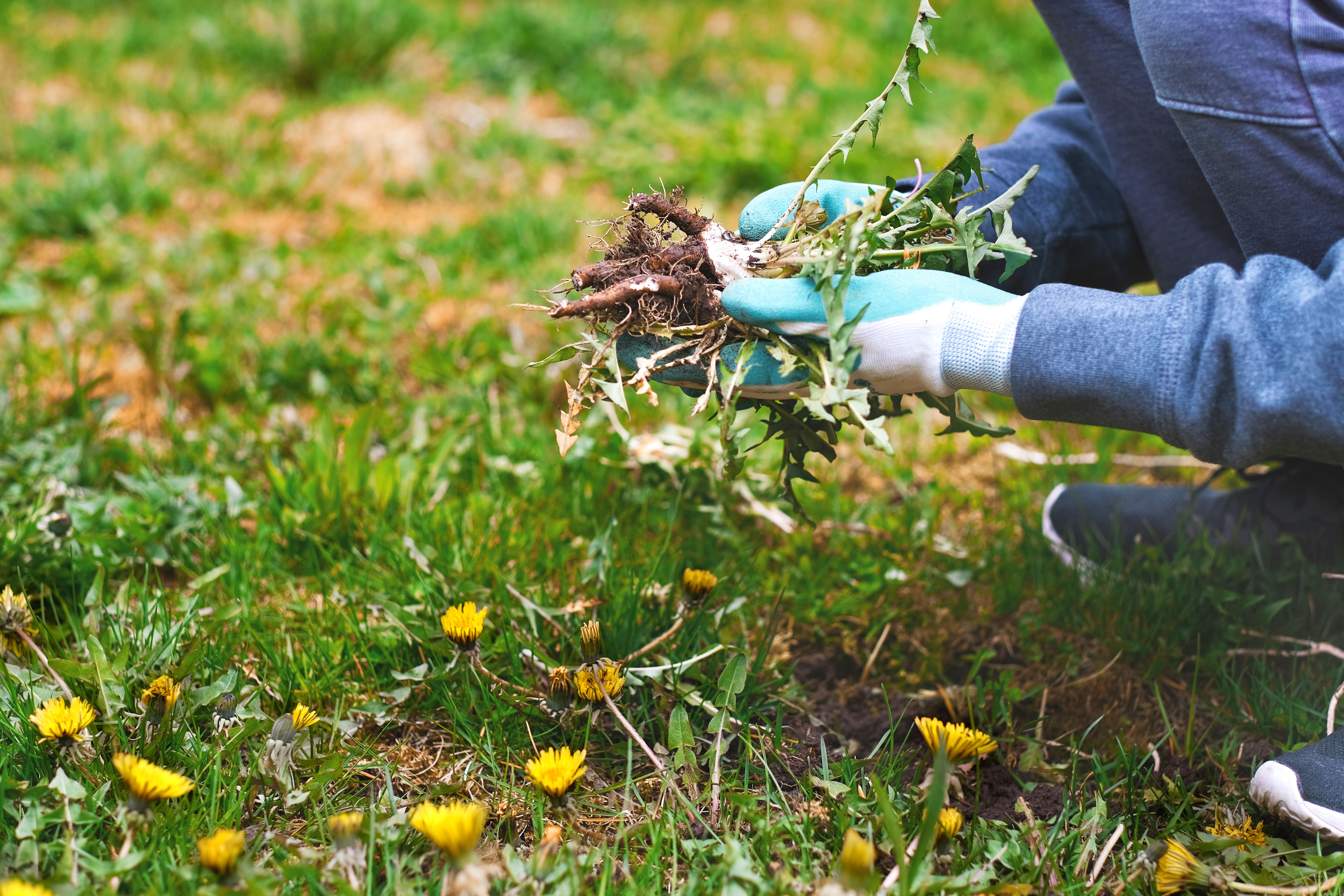
It's a common belief that all weeds are detrimental and must be removed immediately. However, not all weeds are harmful, and some can even benefit the ecosystem. For instance, clover can enrich the soil with nitrogen.
Adopting a selective approach to weed control can save time and resources. Evaluate the impact of specific weeds before deciding on removal, and consider organic methods for those that truly pose problems.
Myth 4: Fertilizer is a Cure-All
While fertilizers can boost plant growth, they are not a cure-all solution. Over-fertilizing can lead to nutrient runoff, harming nearby water bodies and ecosystems. Plants require balanced nutrients tailored to their specific needs.
Consult with a groundskeeping professional to develop a customized fertilization plan. Soil testing can also help determine the exact nutrients needed, promoting healthy growth without adverse effects.
Conclusion: Embrace Evidence-Based Practices
Groundskeeping myths can lead to inefficiencies and environmental harm. By debunking these myths, we can adopt more effective, sustainable practices. Industry experts urge homeowners and professionals to rely on evidence-based strategies, ensuring vibrant, thriving landscapes.
Whether it's adjusting watering schedules, rethinking weed control, or customizing fertilization, informed decisions make all the difference. Embrace these insights to enhance your groundskeeping efforts and enjoy beautiful outdoor spaces.