
Common Groundskeeping Mistakes and How to Avoid Them


Overwatering Your Lawn
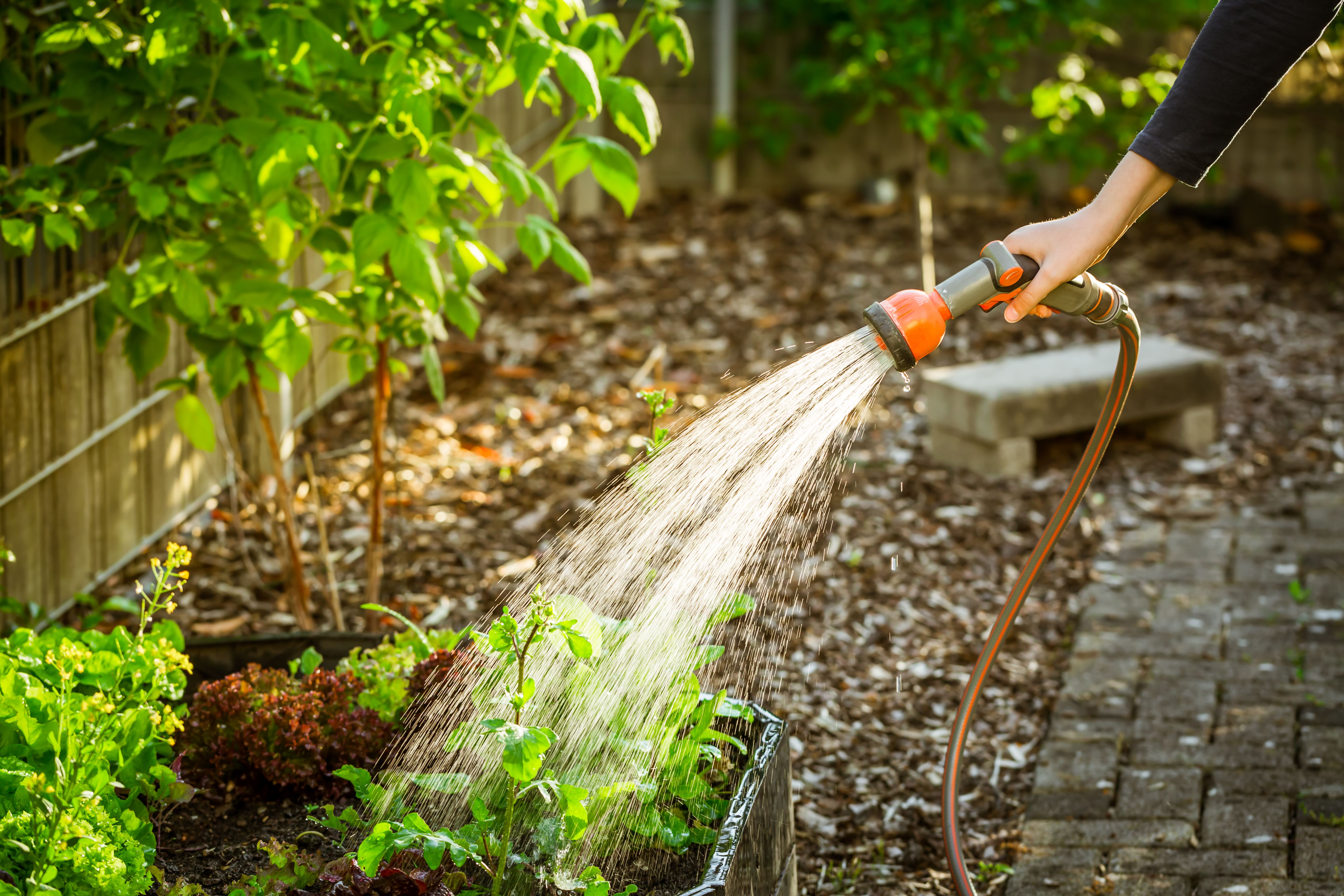
One of the most common groundskeeping mistakes is overwatering. While it might seem like more water equals a healthier lawn, this isn't always the case. Overwatering can lead to shallow root systems, increased pests, and fungal diseases. To avoid this, water your lawn deeply but infrequently, allowing the topsoil to dry out between waterings.
Signs of Overwatering
Recognizing the signs of overwatering is crucial. Look for symptoms such as a spongy feel underfoot, excess runoff, or a presence of mushrooms. Monitoring these signs can help you adjust your watering schedule accordingly.
Improper Mowing Techniques
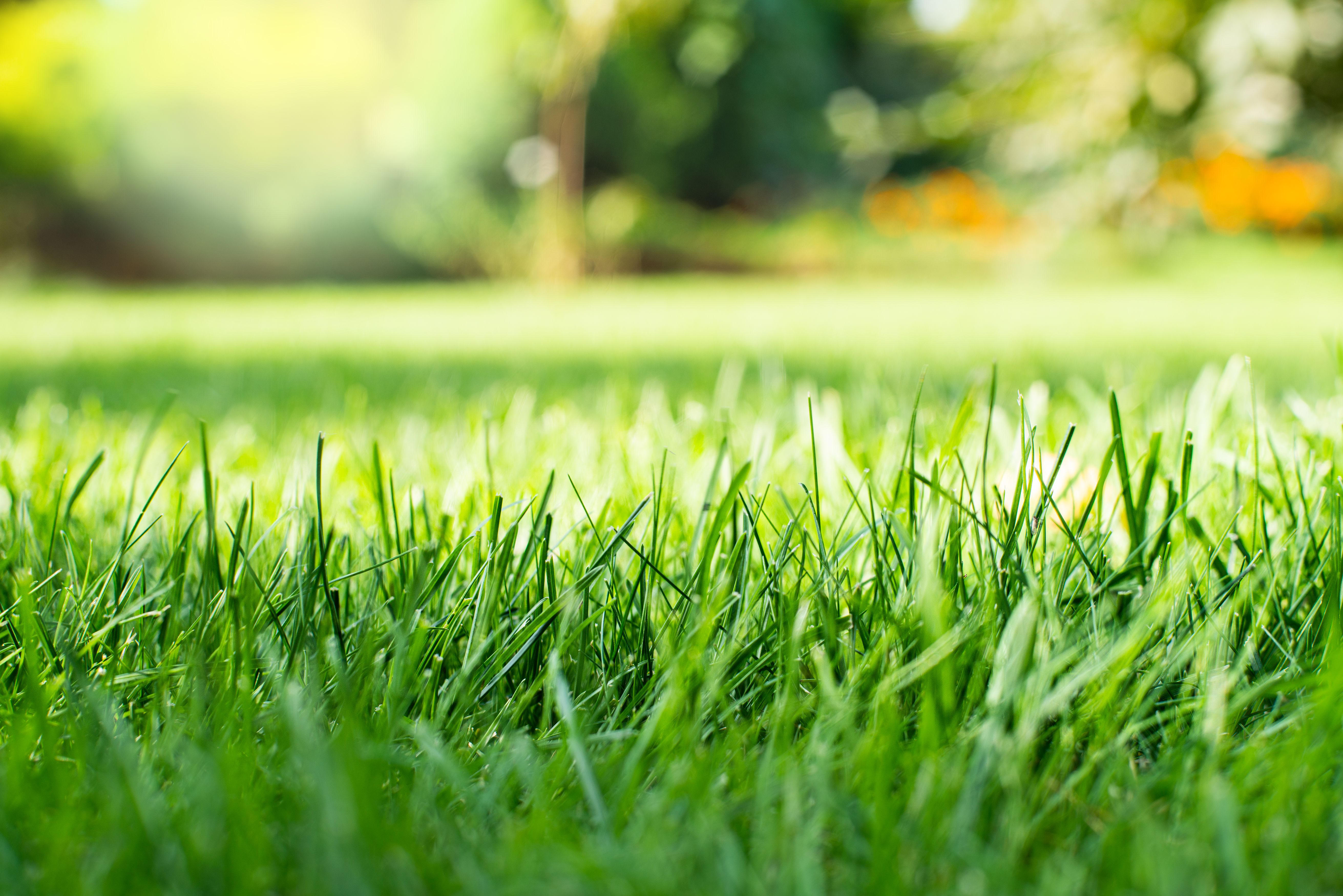
Mowing your lawn incorrectly can cause more harm than good. Cutting grass too short can stress the lawn and make it more susceptible to weeds and drought. A good rule of thumb is to never cut more than one-third of the grass height at a time. Ensure your mower blades are sharp to provide a clean cut and prevent tearing.
Maintaining Your Mower
Regular maintenance of your mower is essential. Keep blades sharp, check oil levels, and clean the deck to ensure optimal performance. Proper mower maintenance will result in a healthier lawn and a more efficient mowing process.
Neglecting Soil Health
Healthy soil is the foundation of a thriving lawn. Many groundskeepers overlook the importance of soil testing and amendment. Regularly test your soil's pH and nutrient levels to determine what your lawn needs. Amend the soil with organic matter or fertilizers as needed to maintain a balanced environment.

Compaction Issues
Soil compaction can hinder root growth and water absorption. To prevent this, aerate your lawn annually. Aeration creates small holes in the soil, allowing air, water, and nutrients to penetrate deeper, promoting healthier root development.
Ignoring Pest and Weed Control
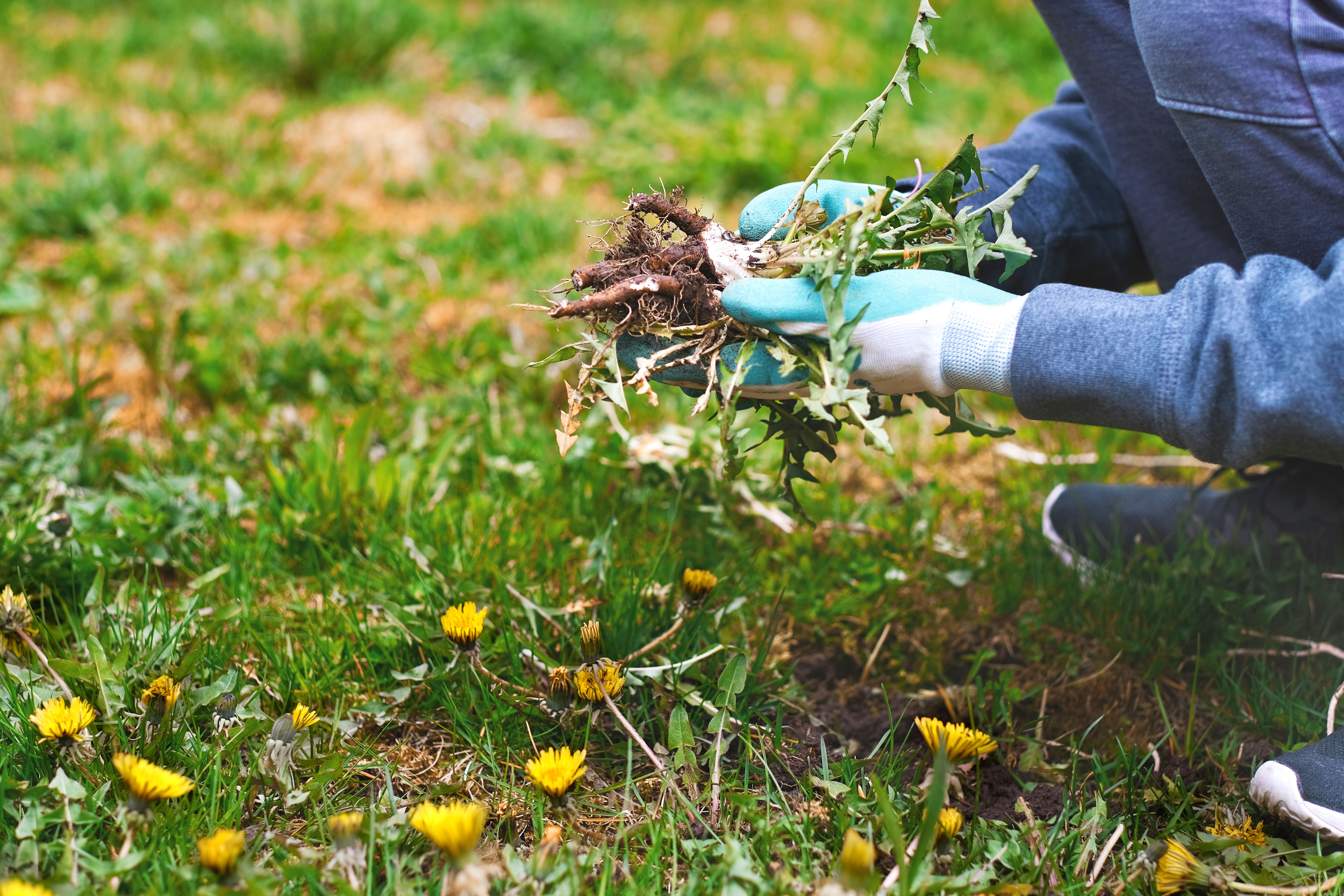
Ignoring pest and weed control can quickly turn a beautiful lawn into an unsightly mess. Implement a regular schedule for pest and weed management. Use integrated pest management practices to minimize chemical use, focusing on prevention and natural solutions.
Choosing the Right Products
Selecting the right pest and weed control products is essential. Opt for environmentally friendly options whenever possible. Read labels carefully and follow instructions to ensure effective application without damaging your lawn.