
Case Study: Transforming a Dayton Yard with Eco-Friendly Landscaping


Introduction to Eco-Friendly Landscaping
In recent years, there has been a significant shift towards sustainable and environmentally conscious practices in landscaping. Homeowners are increasingly looking to transform their outdoor spaces in ways that are both beautiful and beneficial to the environment. This case study explores how one Dayton yard was transformed using eco-friendly landscaping techniques.
The Initial Challenge
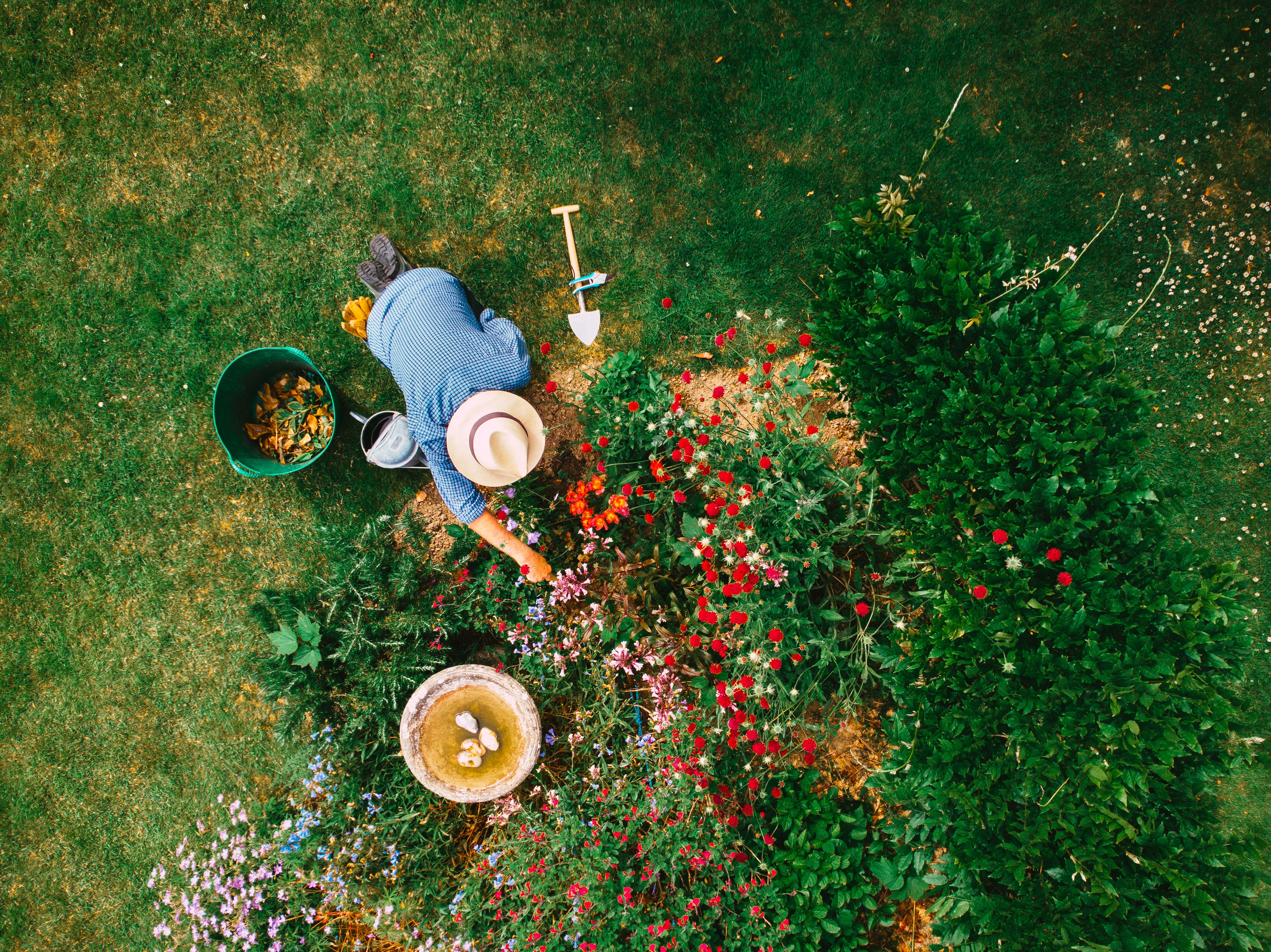
The owners of a suburban Dayton home faced a common problem: a traditional lawn that was difficult to maintain and not environmentally friendly. They wanted to create a space that was visually appealing and required less water and chemicals. The challenge was to redesign the yard without compromising on aesthetics.
Planning the Transformation
The first step in transforming the yard was to create a comprehensive plan. The homeowners collaborated with a local landscaping company specializing in sustainable practices. Key objectives included reducing water usage, promoting biodiversity, and enhancing the yard's natural beauty.
- Assessing the existing landscape and soil conditions.
- Identifying native plants that thrive in the local climate.
- Incorporating water-saving features such as rain gardens.

Implementing Eco-Friendly Solutions
With a solid plan in place, the implementation phase began. The traditional lawn was replaced with a mix of native grasses and wildflowers, which require less water and provide habitat for local wildlife. A rain garden was installed to manage stormwater and reduce runoff.
Additionally, permeable paving was used for walkways to allow rainwater to naturally soak into the ground, minimizing erosion and water waste. This approach not only conserves water but also supports the health of the surrounding ecosystem.
The Benefits of Eco-Friendly Landscaping
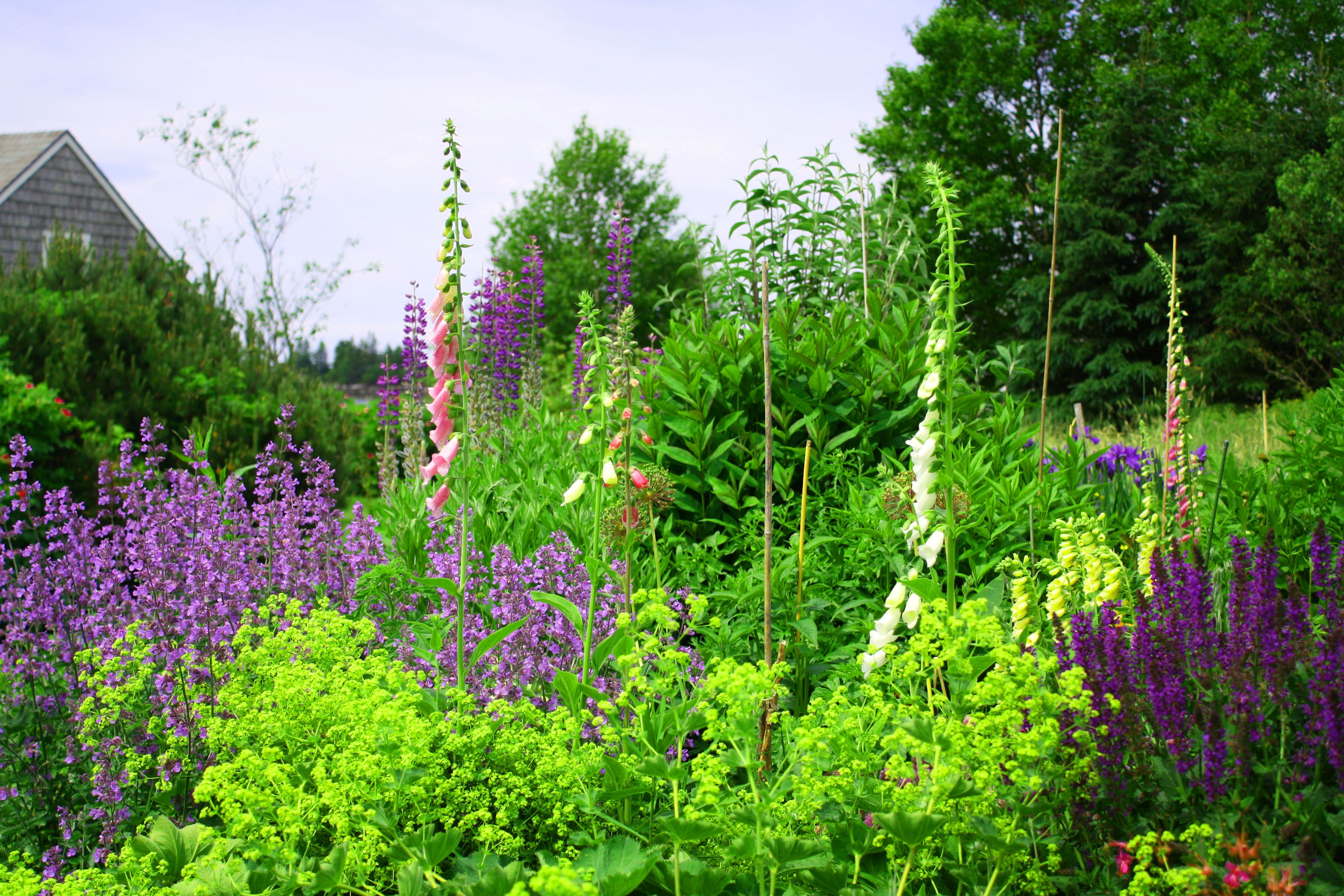
The transformation resulted in several benefits for the homeowners and the environment. The new landscape requires significantly less maintenance, reducing the need for fertilizers and pesticides. The use of native plants has attracted a variety of pollinators, enhancing the yard's ecological value.
- Water Conservation: Reduced water usage by 50%.
- Biodiversity: Increased presence of birds and pollinators.
- Cost Savings: Lower maintenance and utility costs.
Conclusion: A Model for Sustainable Living
This Dayton yard transformation serves as a model for sustainable living. By adopting eco-friendly landscaping practices, homeowners can enjoy beautiful outdoor spaces while contributing positively to the environment. This case study demonstrates that sustainable choices can lead to both aesthetic and ecological rewards.