
Case Study: Transforming a Dayton, VA Property with Eco-Friendly Groundskeeping


Introduction to Eco-Friendly Groundskeeping
In recent years, the push for sustainability has reached new heights, influencing various industries, including landscaping. This case study explores how an innovative approach to eco-friendly groundskeeping transformed a property in Dayton, VA, into a model of sustainable beauty.
The shift towards environmentally conscious practices in landscaping not only enhances the aesthetic appeal of properties but also contributes significantly to environmental preservation. By adopting these methods, property owners can enjoy lush, vibrant landscapes without compromising the planet's health.
Identifying the Needs of the Dayton Property
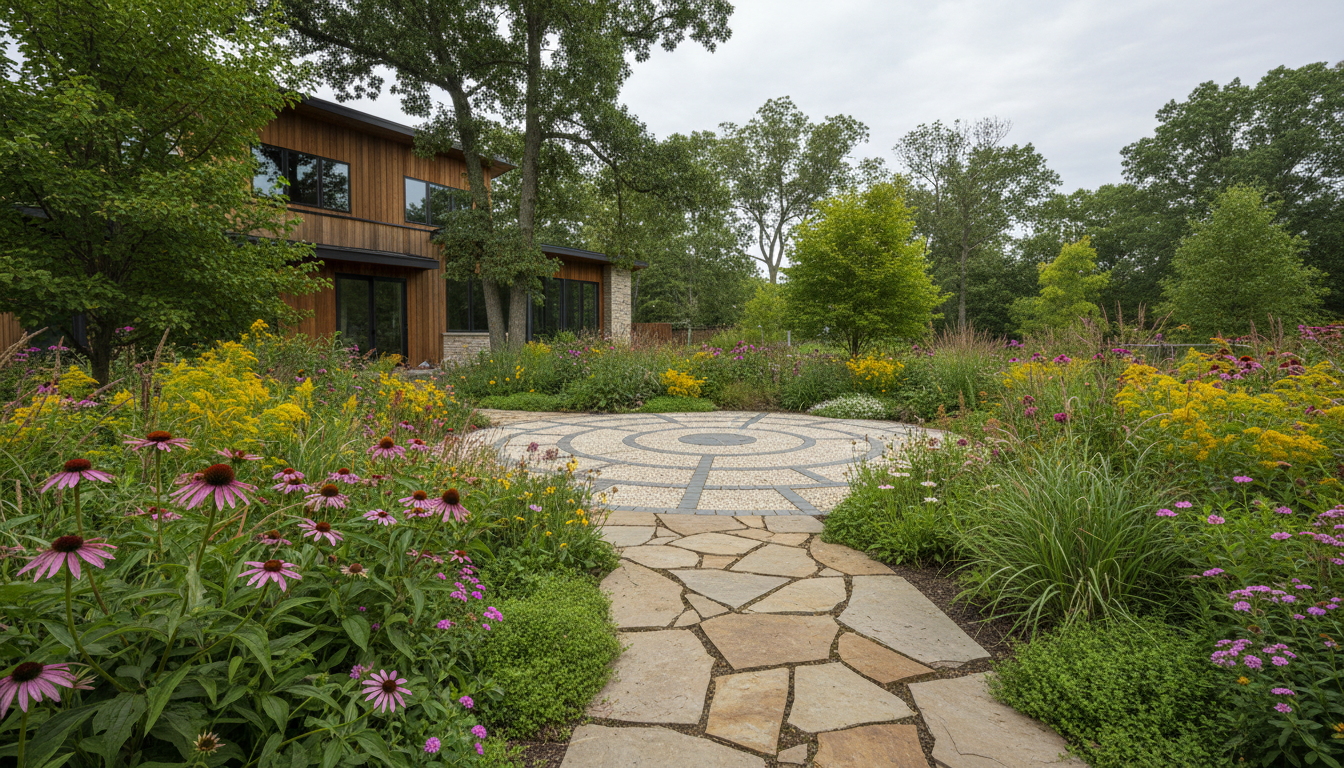
The property in Dayton was in need of a revitalization strategy that would address its declining landscape while maintaining ecological balance. The owners were keen on reducing water usage and minimizing chemical fertilizers, aiming to create a sustainable oasis.
A comprehensive assessment was conducted to identify the specific needs of the landscape. After evaluating soil quality, plant health, and existing irrigation systems, a detailed plan was set in motion to rejuvenate the property sustainably.
Strategic Plant Selection
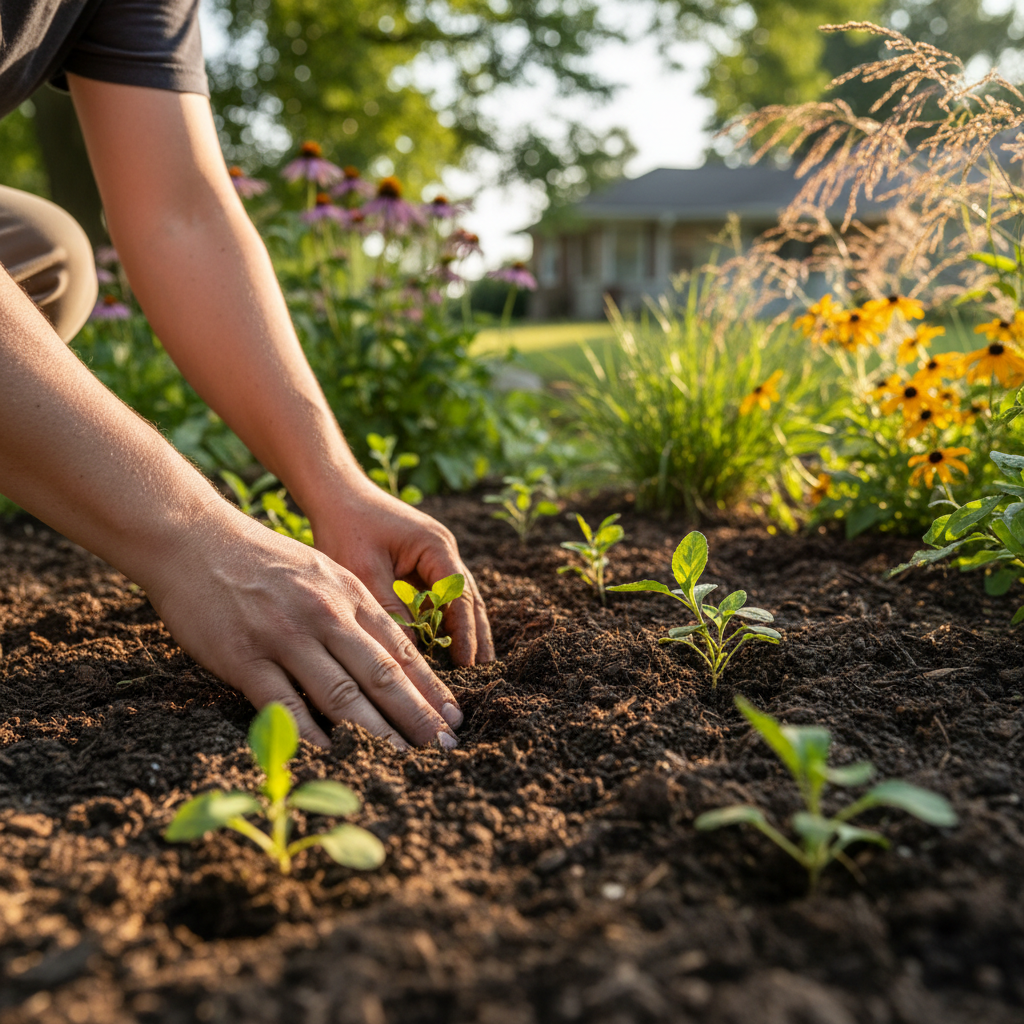
Choosing the right plants is crucial for sustainable landscaping. Native species were selected for their adaptability to local climate and soil conditions. These plants require less water and care, naturally reducing maintenance efforts.
Implementing Eco-Friendly Practices
With a focus on sustainability, several eco-friendly practices were integrated into the groundskeeping routine. These included the use of organic fertilizers, which enhance soil health without harmful chemicals, and the installation of a rainwater harvesting system to optimize water usage.
The rainwater harvesting system collects and stores rainwater, providing a natural irrigation method that reduces dependency on municipal water supplies. This not only lowers water bills but also conserves a vital natural resource.
Composting and Soil Health
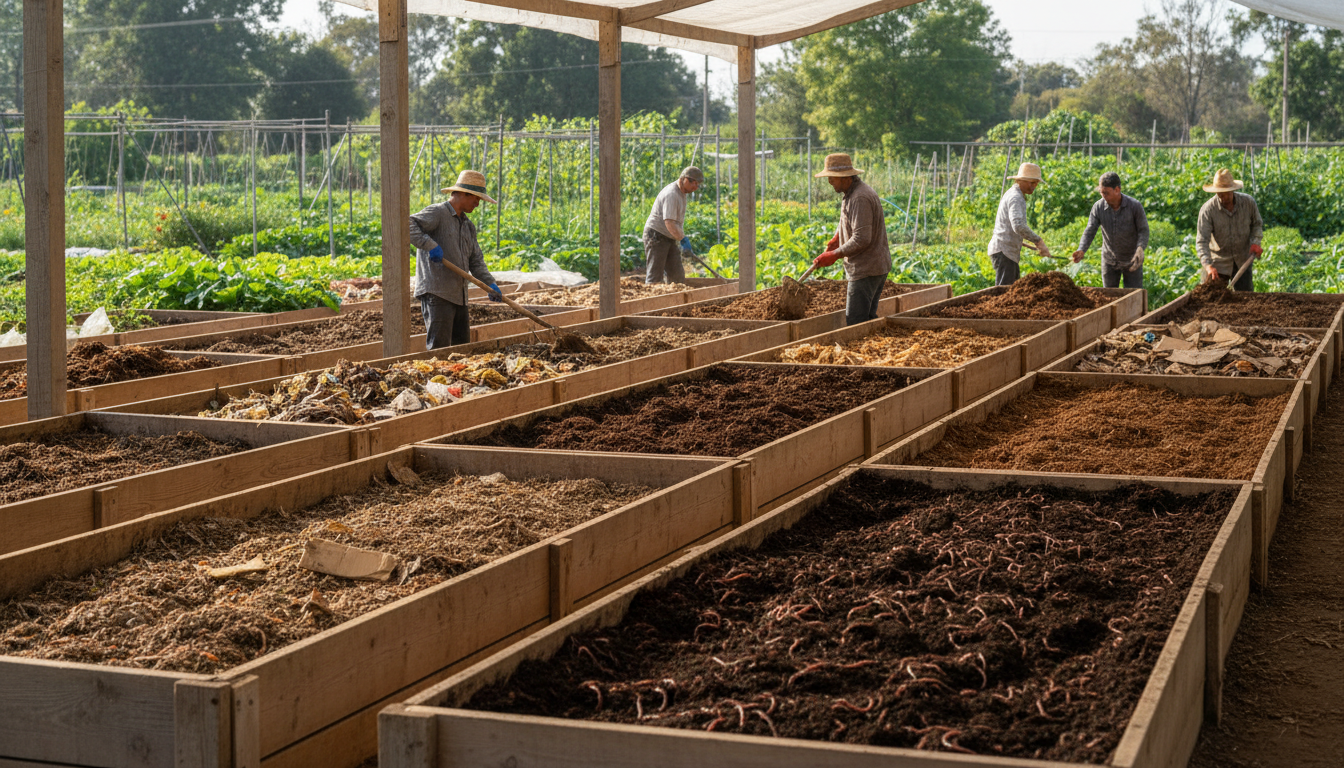
Composting played a significant role in the transformation process. By recycling organic waste from the property, a rich compost was produced, which was then used to enrich the soil. This practice improves soil structure, promotes microbial activity, and provides essential nutrients to plants.
Results and Benefits
The transformation of the Dayton property showcases the numerous benefits of eco-friendly groundskeeping. The landscape now boasts a thriving ecosystem with diverse plant life, vibrant colors, and healthy soil.
Beyond aesthetics, the property has experienced a reduction in water usage by 30%, thanks to the rainwater harvesting system. The use of organic fertilizers and compost has improved soil fertility, resulting in healthier plants and reduced pest issues.
Community Impact and Future Plans
The success of this project has not gone unnoticed in the community, inspiring neighboring properties to consider sustainable landscaping options. The owners plan to continue enhancing their eco-friendly practices by exploring additional renewable energy sources for their groundskeeping equipment.
In conclusion, this case study demonstrates that transforming a property with eco-friendly groundskeeping is not only feasible but also beneficial for the environment and the community. By implementing sustainable practices, property owners can create beautiful landscapes that contribute to a healthier planet.