
5 Common Lawn Care Myths Debunked by a Marine Corps Veteran


Introduction
As a Marine Corps veteran, I've learned the importance of discipline and precision in all aspects of life, including lawn care. Over the years, I've encountered numerous myths about maintaining a healthy lawn. Today, I’m here to set the record straight on five common lawn care myths.

Myth 1: Cutting Grass Short Means Less Mowing
One of the most common misconceptions is that cutting your grass very short will reduce the frequency of mowing. In reality, this practice can harm your lawn. Grass cut too short is more susceptible to stress, weeds, and disease. The ideal practice is to follow the one-third rule: never remove more than one-third of the grass height in a single mowing session.
Myth 2: Watering at Night is Best
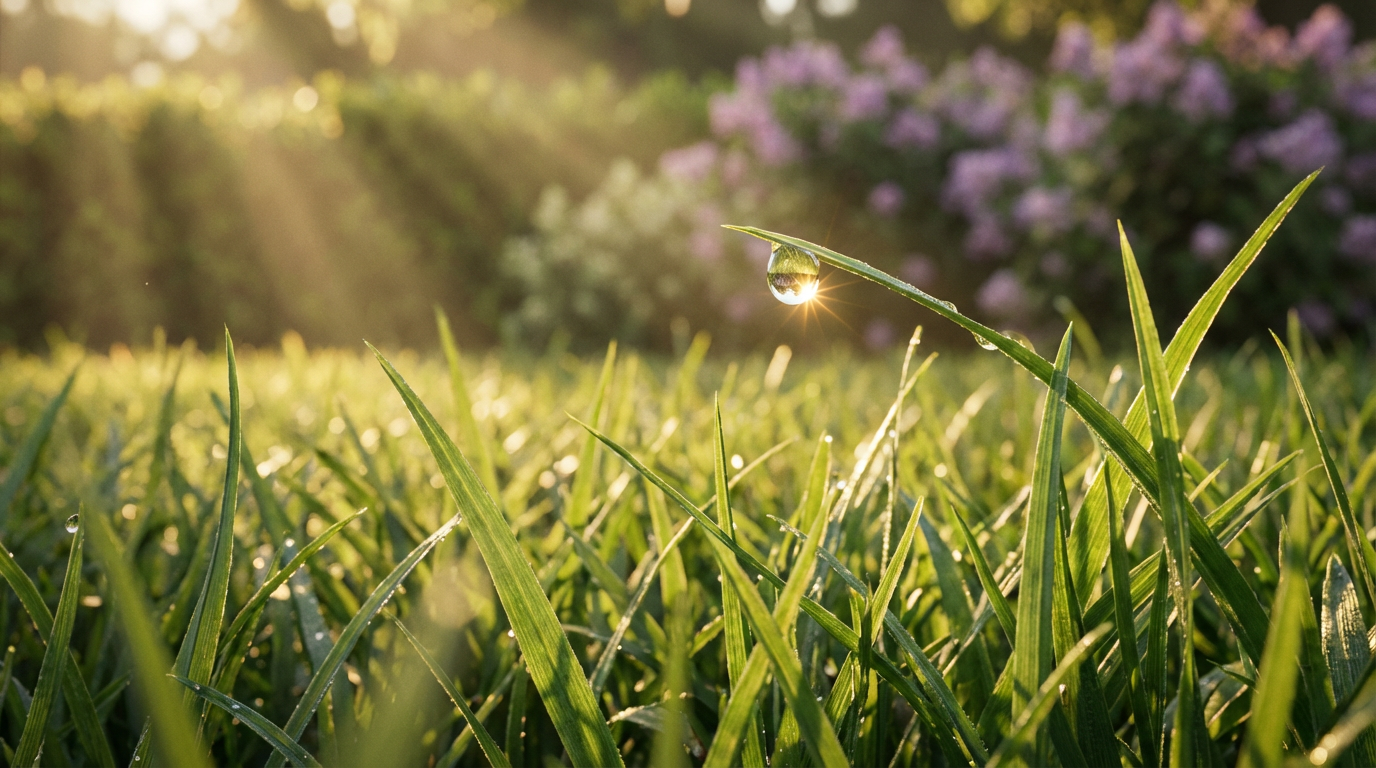
Many believe that watering lawns at night conserves water and is better for the grass. However, this can lead to prolonged moisture on the grass, promoting fungal diseases. The best time to water your lawn is early in the morning when the sun helps dry the grass, reducing the risk of disease while ensuring the water is absorbed efficiently.
Myth 3: Fertilizer is Only for Spring
While spring is a popular time for fertilizing, many overlook the benefits of applying fertilizer in the fall. Fall fertilizing helps strengthen roots, giving your lawn a healthy start come spring. Don't restrict feeding your lawn to just one season; consider a year-round nutrient plan for optimal health.
Myth 4: All Weeds Are Bad
While most weeds can be problematic, not all are harmful. Some weeds, like clover, can actually benefit your lawn by fixing nitrogen in the soil. It’s essential to identify and understand the weeds present in your lawn to determine if they truly need removal.
Myth 5: You Can Ignore Soil Health
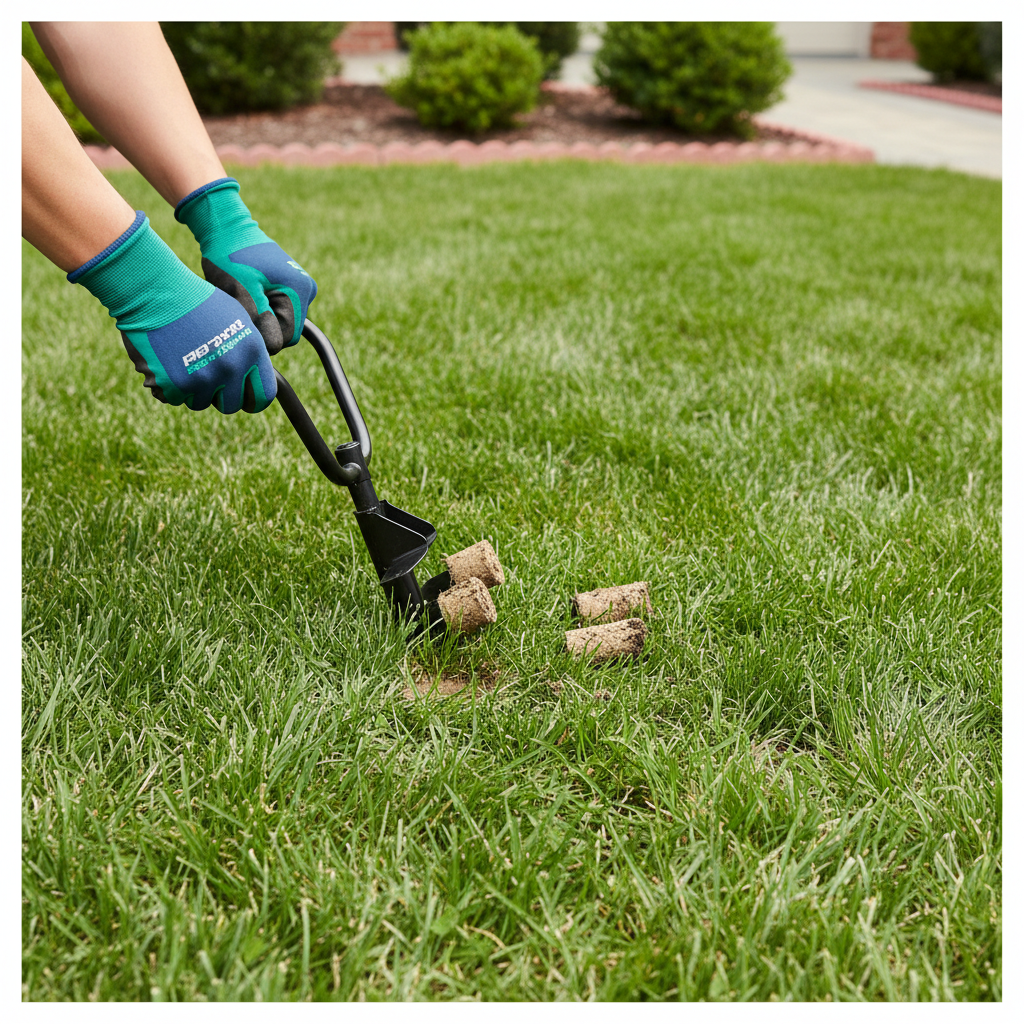
Many homeowners focus solely on what they see above ground, neglecting the soil beneath. Healthy soil is crucial for a thriving lawn. Regular soil testing can reveal nutrient deficiencies and pH imbalances, allowing you to make informed decisions about amendments and treatments.
Conclusion
Understanding and debunking these common myths can lead to a healthier, more resilient lawn. As a Marine Corps veteran, I value the importance of strategy and preparation. Apply these principles to your lawn care routine, and you’ll see the positive results.